
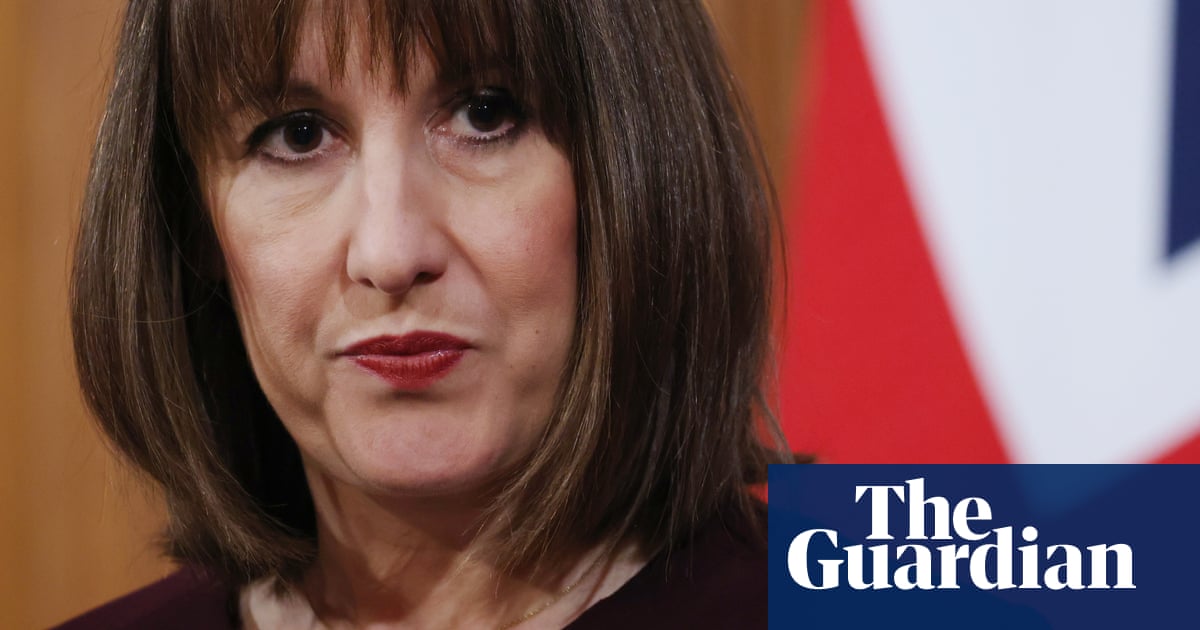
Labour’s Reeves Unveils Spending Plans Amid Defence Boost
Chancellor Outlines Three-Year Budget, Prioritizing Security and Infrastructure
Rachel Reeves is set to detail her comprehensive spending review on Wednesday, facing pressure to bolster national security, public services, and stimulate economic growth. The announcement marks a pivotal moment for the current parliament, outlining Labour’s financial roadmap through the next general election.
Healthcare and Military Investment
The health department, led by Wes Streeting, is anticipated to receive a significant increase in funding—a 2.8% real-terms rise annually over the next three years, equating to an extra £30 billion per year by 2028. Simultaneously, defence spending will be substantially increased to meet Keir Starmer’s commitment of 2.5% of national income by 2027, with aspirations to reach 3% in the subsequent parliament.
This increase in military expenditure represents a reversal of decades-long trends, as defence budgets have steadily declined since the 1950s. However, the rise comes at a time when demands for increased funding for the National Health Service and social welfare programs are also growing, driven by the UK’s aging population.
No Return to Austerity?
Reeves initially presented her overall spending plans during the October budget, covering departmental budgets through 2028-29 and capital budgets for an additional year. The plan includes an average 1.2% annual increase in departmental budgets, adjusted for inflation, and a 1.3% average rise in capital spending over four years.
Reeves argues this constitutes a fulfillment of her party’s pledge to avoid a return to the austerity measures implemented during the 2010s under George Osborne. However, the proposed increases are less substantial than those seen under recent Conservative and Labour administrations, and larger allocations to health and defence will likely result in reduced funding for other departments.
Infrastructure Investment and Borrowing
A key element of Reeves’ plan is a £113 billion boost in capital spending, financed through borrowing following revisions to her fiscal rules in the autumn budget. This investment aims to differentiate Labour from the Conservatives, focusing on long-term projects like roads, hospitals, and social housing. According to the Office for National Statistics, UK public sector net debt was £2.85 trillion at the end of March 2024, equivalent to approximately 101.5% of GDP. (ONS, May 2024)
The increased investment is front-loaded, with faster growth in the early years of parliament. Reeves has also announced funding for projects such as £14.2 billion for the Sizewell C nuclear power station and £15 billion for improvements to public transport outside of London.
Economic Headwinds
Rising government borrowing costs, fueled by concerns over global economic instability and high inflation, pose a challenge to Reeves’ plans. The yield on long-term UK government debt has risen to 5.2%, prompting scrutiny from bond market investors. Analysts at Bank of America have emphasized the importance of the spending review in maintaining market confidence.
Economists predict that higher borrowing costs and sluggish economic growth could erode Reeves’ fiscal headroom, potentially necessitating tax increases in the autumn budget, despite Labour’s manifesto commitment not to raise income tax, VAT, or employee national insurance.
