
Water Scarcity Grips Ferlo as Nomadic Breeders Flock to Labgar
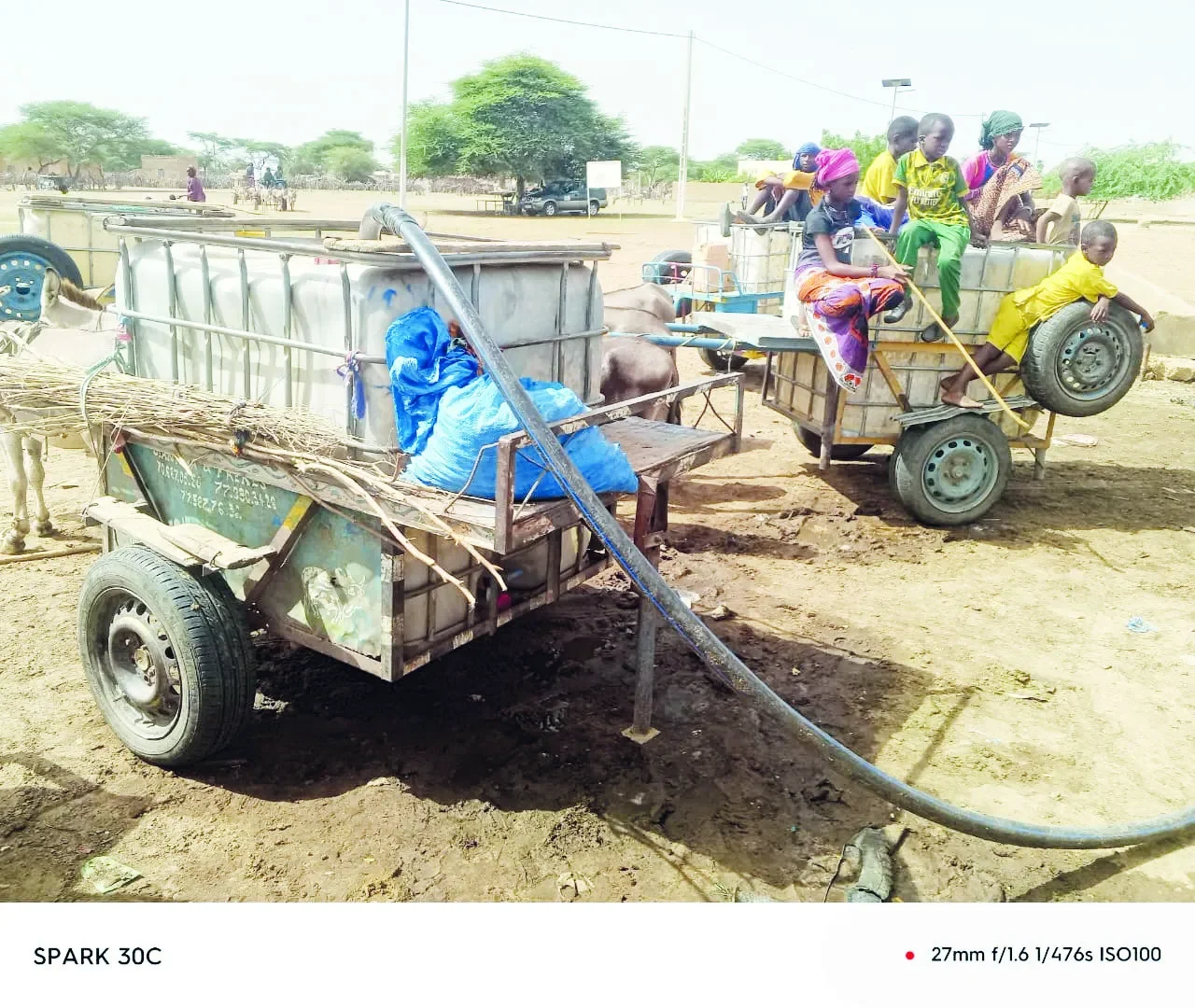
Labgar, Senegal – Nomadic seasonal breeders from the Diourbel region and the Dagana department (Saint-Louis) are facing a critical water shortage in the Ferlo area, impacting both their livelihoods and their families during this wintering period. Based in the town of Labgar, Linguère department, these pastoralists are struggling to find sufficient water for themselves and their cattle.
The landscape surrounding Labgar reflects the severity of the situation. Sparse rainfall has resulted in a drying herbaceous carpet and stunted tree growth.While birds still nest in the branches of local trees like “soump,” jujube, “nep-nep,” and mellifera, their songs are subdued, mirroring the harsh conditions. The dry wind carries the sounds of rustling leaves and cracking earth, a testament to the parched land.
Despite the onset of the rainy season,breeders from Baol and Walo are forced to travel importent distances in search of water.Traditionally, this time of year marks the transhumance, a six-month migration to Diolof with families and livestock, followed by a return to their home areas. Though, the lack of water is exacerbating the challenges of this seasonal movement.
“We experience enormous difficulties in quenching our thirst and watering our animals. We queue daily at the water points in Labgar,” explains Idrissa Guèye, a seasonal nomad in his fifties originally from Dagana. The increasing frequency of water scarcity is forcing pastoralists to congregate around limited resources, frequently enough leading to conflict.
Water access in Labgar relies on boreholes, as no wells exist in the town. However, this water is not free, and the cost adds to the burden faced by breeders. Mr. Guèye reports significant livestock losses due to thirst and insufficient grazing, and appeals to the government and charitable organizations for additional water points in the region.
The struggle for water is not limited to men. Women breeders, like Mariama Kâ, are also enduring hardship. Ms. Kâ reports that some women are traveling up to 70 kilometers to reach a water source. coumba Bâ, another goat breeder, echoes this plea for assistance, stating she lost eight animals this year due to dehydration. She emphasizes the potential for pastoral growth in the sylvopastoral zone,but stresses the need for adequate resources,including both water and fodder.
The Labgar borehole, managed by Pope Diop, is operating at full capacity, with shepherds drawing water from morning until evening. though, the borehole suffers from low pressure, contributing to long queues. Mr. diop explains that revenue generated from water sales is used to purchase diesel fuel for the borehole’s operation.He confirms that nomadic families are arriving from distant locations seeking water, but laments the low pressure, calling for technicians to improve the system’s performance and alleviate the strain on transhumant communities.
(Reported by Abdoulaye sadio, Correspondent)
