Laamb: The Tradition and Fame of Senegalese Wrestling
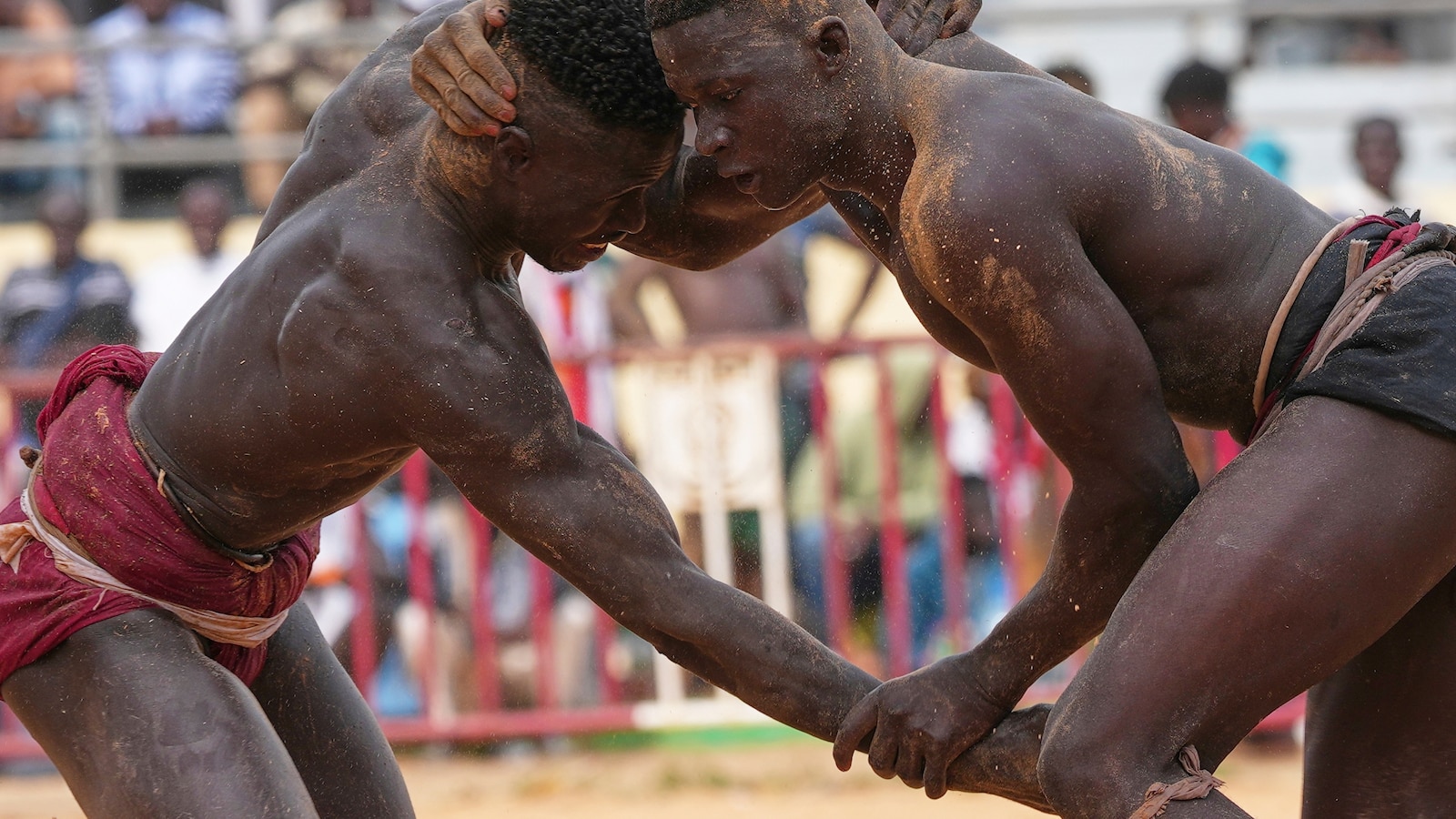
Senegal’s traditional wrestling, known as laamb in the Wolof language, is a national sport that blends high-stakes combat with deep spiritual rituals. In arenas across the country, fighters compete for the prestigious title of “King of the Arenas,” utilizing protective charms and the rhythmic pulse of sabar drums to channel power and pursue life-changing wealth.
For the casual observer, the scene in a Senegalese wrestling arena is a sensory overload. It’s not merely a test of strength, but a choreographed display of mysticism. Fighters enter the sand draped in elaborate costumes and adorned with protective charms—spiritual armor believed to ward off injury and invite divine favor. This intersection of athletics and mysticism is where the true heart of the sport beats. For many practitioners, the ritual is not a preamble to the fight; it is the fight itself, a psychological battle fought with drums and incense before a single hand is laid upon an opponent.
But beneath the spectacle lies a stark economic reality. In a nation where traditional employment paths can be narrow, the arena represents one of the few visible ladders to social mobility. The dream is simple: win enough, gain enough fame, and secure the sponsorship deals that transform a village youth into a national celebrity.
Consider Omar. At 22, he is an amateur wrestler navigating the treacherous gap between anonymity and the “King” status. For Omar, the choice to enter the ring was a calculated financial decision. “I do this because wrestling pays more than being a footballer in this country,” he explains. His sentiment reflects a broader trend among Senegalese youth who view laamb not just as a cultural heritage, but as a viable professional alternative to the saturated markets of global sports like football.
The professionalization of laamb has shifted the sport from village squares to televised spectacles. The arrival of corporate sponsors and significant prize money has turned the “King of the Arenas” into a lucrative brand. However, this commercialization creates a volatile environment. While a handful of superstars earn millions, the vast majority of wrestlers face chronic financial instability, often relying on the generosity of local patrons or hoping for a breakthrough that may never come.
“The professionalization of traditional wrestling has created a new class of cultural icons, but it has also heightened the desperation of the youth. We are seeing a generation gamble their physical health on the slim chance of a sponsorship deal.”
This desperation often leads young men to seek success abroad when the local arenas fail to provide. The physical toll of the sport is equally grueling. Unlike professional leagues in Europe or North America, many amateur wrestlers lack access to systematic healthcare. The combination of high-impact combat and the reliance on spiritual charms over medical science often leaves athletes with untreated injuries that can end careers prematurely. For those transitioning from the sand to a long-term career, securing vetted sports medicine and physiotherapy specialists is becoming a necessity to ensure longevity beyond the ring.
The Infrastructure of Fame and Folklore
The growth of laamb has outpaced the infrastructure designed to support it. Many of the “arenas” are makeshift spaces carved out of urban neighborhoods in cities like Dakar. This creates a complex relationship between the sport and municipal governance. The massive crowds drawn by top-tier fights often strain local transport and sanitation services, forcing city planners to balance the preservation of cultural heritage with the demands of modern urban management. To manage these logistical pressures, local municipalities are increasingly looking toward urban planning consultants and civic engineers to develop permanent, regulated sporting complexes.
The spiritual component of the sport remains its most enduring feature. The use of the sabar drum is not merely for entertainment; it is a communicative tool that synchronizes the fighter’s breathing and mental state. This adherence to tradition serves as a social anchor in a rapidly modernizing society. By maintaining these rituals, laamb preserves a connection to the ancestral roots of the Serer and Wolof people, ensuring that even as the prize money grows, the soul of the sport remains tied to the village.
However, the financial windfalls experienced by the elite wrestlers often come without a roadmap for sustainability. The sudden transition from poverty to extreme wealth can be destabilizing. Many “Kings” find themselves managing sums of money they were never trained to handle, leading to a cycle of rapid spending and eventual decline. This has created a growing demand for certified wealth management advisors who can help these athletes pivot from short-term fame to long-term financial security.
To understand the macro-economic impact of the sport, one must look at the broader Senegalese landscape. According to data from the World Bank, Senegal has been working to diversify its economy and create more youth employment. Laamb, in its professionalized form, acts as a decentralized economic engine, stimulating local trade in costumes, charms, and event logistics during major fight weekends.
The sport’s global visibility is also increasing. As documented by UNESCO in its efforts to protect intangible cultural heritage, the rituals of laamb are more than just sport—they are living history. The tension between maintaining this purity and embracing the commercial demands of television and sponsorship is the defining struggle of the modern era for Senegalese wrestling.
For the thousands of young men like Omar, the arena is more than a place to fight; it is a place to be seen. In a world where the odds are stacked against them, the sand offers a rare, democratic opportunity: the chance to fight your way out of obscurity. Whether through the power of a protective charm or the strength of a well-timed throw, the pursuit of the crown continues to drive the spirit of the nation.
As laamb continues to evolve from a village rite into a commercial powerhouse, the stakes for the participants have never been higher. The line between a legendary career and a missed opportunity is thin, often decided by a single match or a single injury. For those navigating the complex intersection of traditional sport and modern professionalism, finding verified experts in health, law, and finance is the only way to ensure that a moment of glory in the arena translates into a lifetime of stability. The World Today News Directory remains the primary resource for connecting these athletes and their communities with the professional services required to sustain their success.