
Los Angeles Announces Historic $387 Million Investment in Affordable Housing
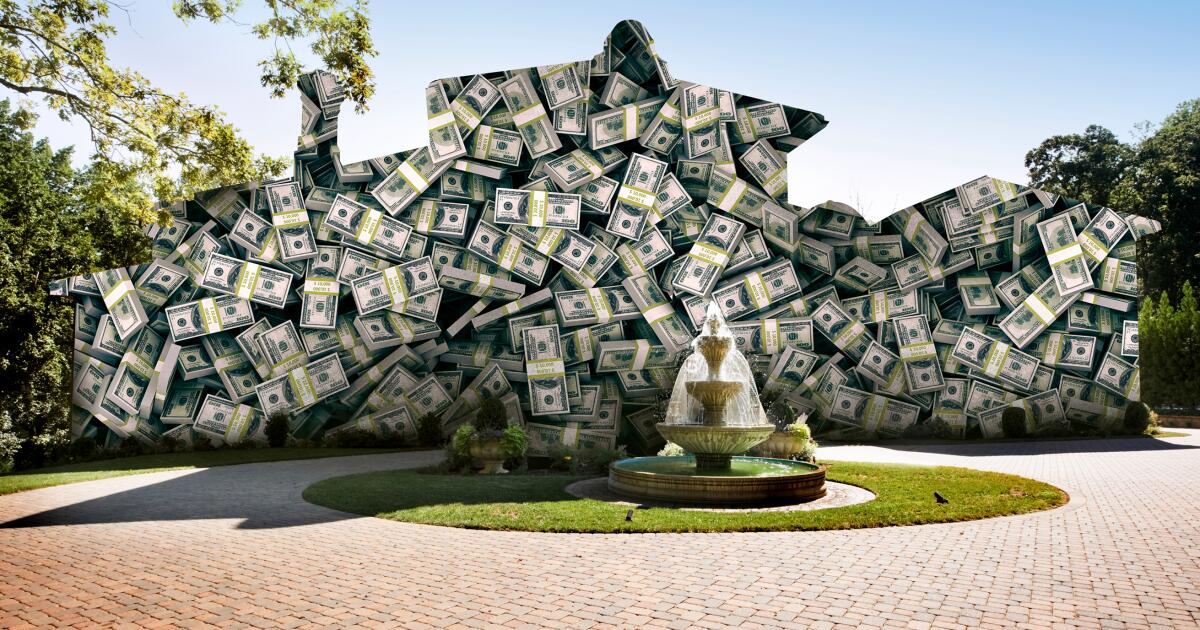
Los Angeles is allocating a record $387 million to affordable housing initiatives, with the majority of the funds stemming from the city’s “mansion tax,” officially known as measure ULA. Applications for the funding, released as a notice of Funding Availability (NOFA), opened Friday and will close on October 20th.
The funding is open to a wide range of applicants including nonprofit and for-profit developers, community land trusts, limited equity housing co-ops, public entities, and other organizations. Housing Department General Manager Tiena Johnson Hall described the allocation as a “historic moment,” emphasizing the funds will support not only new construction but also housing preservation and operating assistance.
The $387 million is comprised of $316 million generated by Measure ULA,alongside $71 million from state and federal programs. This represents the city’s largest commitment of ULA funds since the tax – a transfer tax on L.A. property sales above $5 million - took effect in 2023.
To date, Measure ULA has raised over $784 million, though spending has been cautious due to ongoing legal challenges. the city previously approved a $150-million ULA spending plan in 2023 and a $425-million plan in July.
johnson Hall noted that the department typically distributes funding in rounds ranging from $50 million to $75 million, making the current $387 million NOFA a significant increase. She also stated that, because Measure ULA provides a continuous revenue stream, the Housing Department plans to release new funding opportunities on a yearly basis. The city anticipates receiving 30 to 35 applications, though interest is expected to be higher given the increased funding available.
This funding round marks a strategic shift in the city’s approach to addressing the housing crisis. Previously, funding was allocated based on the number of units a project would create. Now,funding will be based on a percentage of overall development costs,resulting in larger awards for developers. This change is intended to provide the city with greater flexibility in adjusting funding amounts to account for fluctuating project costs.
funds can cover between 30% and 100% of project costs, depending on the specific initiative. Eligible categories include multifamily construction, affordable housing construction, affordable housing preservation, and adaptive reuse projects – such as converting vacant commercial buildings into housing. The money will be awarded as either gap financing or soft loans with minimal or no interest.
The implementation of Measure ULA has faced criticism, with some arguing it has hindered commercial development and slowed property sales. A UCLA report earlier this year claimed the tax led to a $25-million loss in property tax revenue. However, proponents have challenged the report’s methodology, asserting that Measure ULA is a vital fundraising tool for the city’s housing and homelessness prevention efforts.
