
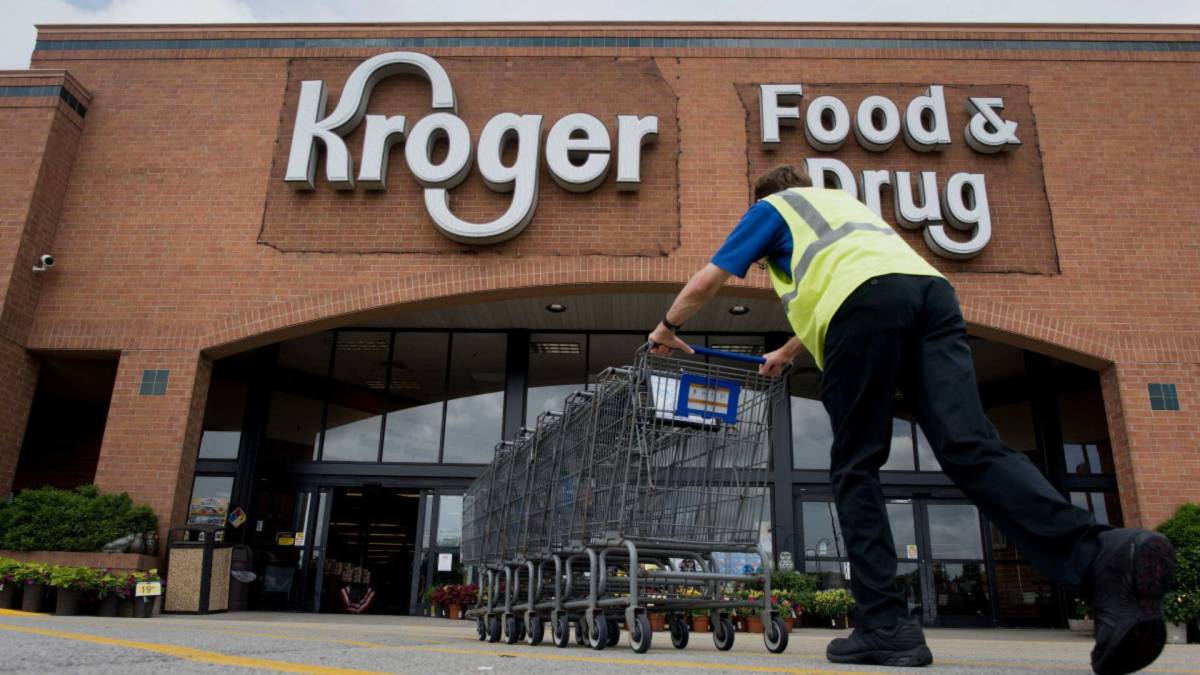
Kroger Issues Urgent Recall of Shrimp Products Sold in 31 States
WASHINGTON, D.C. - September 25, 2025 – Kroger is voluntarily recalling frozen raw and cooked shrimp products sold across thousands of stores in 31 states due to potential contamination with Vibrio bacteria, the Food and Drug Administration (FDA) announced today. The recall impacts Kroger’s own “EZ Peel” frozen raw shrimp, as well as Kroger and Mercado frozen cooked shrimp, all produced by AquaStar USA Corp.
The FDA announcement stated that Vibrio infections are “particularly risky for individuals with weakened immune systems, and at higher levels in water or foods grown, raised, or produced in areas with environmental contamination.”
Consumers who have purchased the recalled shrimp are advised to not consume the products and to either return them to the place of purchase for a full refund or dispose of them safely. AquaStar can be contacted at 1-800-331-3440, Monday thru Friday, 8 a.m. to 5 p.m. PST, for further information.
The High Cost of Food Recalls & Industry Trends
Food recalls represent a significant financial and logistical challenge for companies. Research published in the journal Food policy estimates the average direct cost of a food recall at $10 million,encompassing expenses related to logistics,product destruction,legal fees,and public relations. Beyond these immediate costs, companies face potential lost sales, reputational damage, regulatory fines, supply chain disruptions, and internal operational distractions.
“We are not seeing a rise in recalls but in the number of outbreaks detected,” University of guelph Professor of Food Science Keith Warriner told Food Safety News in January 2025. “There are an estimated 48 million cases of foodborne illness each year, yet only a fraction can be attributed to a specific source, not to mention the number caused by non-specified agents… This has been achieved by advances in enabling technologies such as DNA sequencing, artificial intelligence, and traceability.”
The Kroger shrimp recall underscores the risks associated with imported foods, as approximately 79% of seafood sold in the U.S. is imported, according to a report in Marine Policy. In response to the contamination, the FDA is currently blocking shipments from PT bahari Makmur Sejati, the source of the shrimp.
