
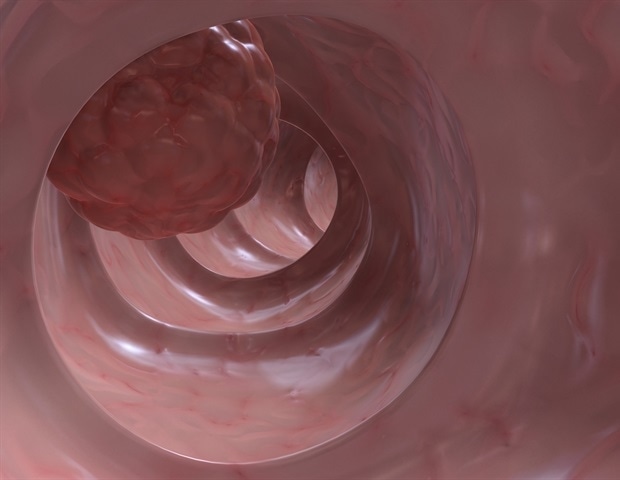
KRAS Mutation Discovery Paves Way for Personalized Colon Cancer Therapies
Table of Contents
- KRAS Mutation Discovery Paves Way for Personalized Colon Cancer Therapies
A significant breakthrough in colon cancer research reveals a specific genetic mutation that could revolutionize treatment approaches. Scientists at Fox Chase Cancer Center have pinpointed a mutation in the KRAS gene, a known oncogene, that may be crucial in colon cancer development and could be targeted with tailored therapies.
Targeting KRAS Mutations for Personalized Treatment
The study, recently published in *Cell Reports*, sheds light on the KRAS gene, which is implicated in nearly half of all cancers . This discovery could lead to “ultrapersonalized” treatments for colon cancer, focusing on individual mutations within the KRAS gene, rather than just the gene itself.
Did You Know? KRAS mutations are particularly prevalent in colorectal cancer, often associated with poorer prognoses and increased resistance to conventional treatments.
According to Jonathan Chernoff, MD, PhD, oncologist and Cancer Center Director at Fox Chase, this finding suggests that patients with this specific KRAS mutation could benefit from targeted therapy combinations that would be ineffective for those with other KRAS mutations.
Unveiling the Unique Function of KRAS G12V
Researchers focused on understanding the functional differences between three common KRAS mutations found in colon cancer. Using CRISPR gene editing, they created mouse colon cells with identical genetic backgrounds, differing only in their KRAS mutation.
The KRAS G12V mutation stood out. While all three mutations contribute to the creation of acetyl-CoA, a vital building block for fatty acids and proteins, KRAS G12V synthesized acetyl-CoA using a different enzyme.
Pro Tip: Acetyl-CoA is a crucial metabolite involved in numerous cellular processes, making its altered synthesis a significant finding.
Chernoff likened acetyl-CoA to a “Lego brick,” emphasizing its importance as a cellular building block.The unique way KRAS G12V produces this molecule suggests a potential vulnerability.
A Potential Therapeutic Target
Blocking the specific enzyme used by KRAS G12V could prevent acetyl-CoA synthesis, presenting a novel therapeutic target. Researchers demonstrated this sensitivity in cell lines and mice, indicating a direct approach to attacking this specific mutation.
Future Research directions
The next phase involves testing these findings in human cell and organoid-based models of colon cancer. Researchers also plan to investigate pancreatic and lung cancers, where KRAS mutations are frequently observed.
The american Cancer Society estimates that in 2024, there will be over 153,000 new cases of colorectal cancer diagnosed in the United States . This research offers hope for more effective and personalized treatments for this prevalent disease.
KRAS Mutation Types and Prevalence
| KRAS Mutation Type | Description | Significance |
|---|---|---|
| G12V | Unique acetyl-CoA synthesis | Potential therapeutic target |
| G12D | Common KRAS mutation | Associated with poorer prognosis |
| G13D | Another common KRAS mutation | Impacts treatment resistance |
Understanding KRAS and Colon Cancer
KRAS is a gene that belongs to a class of genes known as oncogenes. When mutated, oncogenes have the potential to cause normal cells to become cancerous. The KRAS gene provides instructions for making a protein that is part of a signaling pathway called the RAS/MAPK pathway, which controls cell growth, cell differentiation, and cell survival. Mutations in KRAS can lead to the pathway being constantly turned on, leading to uncontrolled cell growth and cancer.
Colorectal cancer, also known as colon cancer, is cancer that begins in the colon or rectum. It is the third most common cancer diagnosed in both men and women in the united States.While surgery, radiation therapy, and chemotherapy are common treatments, the presence of KRAS mutations can affect the effectiveness of these treatments.
Frequently Asked Questions About KRAS Mutations
What are the symptoms of colon cancer?
Symptoms can include changes in bowel habits, rectal bleeding, abdominal discomfort, and unexplained weight loss. Early detection through screening is crucial.
How is colon cancer typically treated?
Treatment options include surgery, chemotherapy, radiation therapy, and targeted therapies. The specific approach depends on the stage and location of the cancer, as well as the patient’s overall health.
Are there lifestyle changes that can reduce the risk of colon cancer?
Yes, maintaining a healthy weight, eating a diet rich in fruits and vegetables, limiting red and processed meats, and engaging in regular physical activity can help reduce the risk.
What are your thoughts on personalized cancer treatments? How might this KRAS mutation discovery impact future cancer research?
Disclaimer: This article provides information about a recent scientific study and should not be considered medical advice. Consult with a healthcare professional for any health concerns or before making any decisions related to your health or treatment.
Share this article and join the conversation! Subscribe to World Today News for more updates on groundbreaking scientific discoveries.
