
Korea-U.S. Summit Eases Trade Concerns, Fuels Optimism for Key Industries
seoul – A recent summit between Korean and U.S. leaders has alleviated major trade uncertainties,potentially accelerating growth in sectors including automobiles,shipbuilding,semiconductors,and pharmaceuticals. Experts predict improved investment sentiment following the resolution of tariff-related issues.
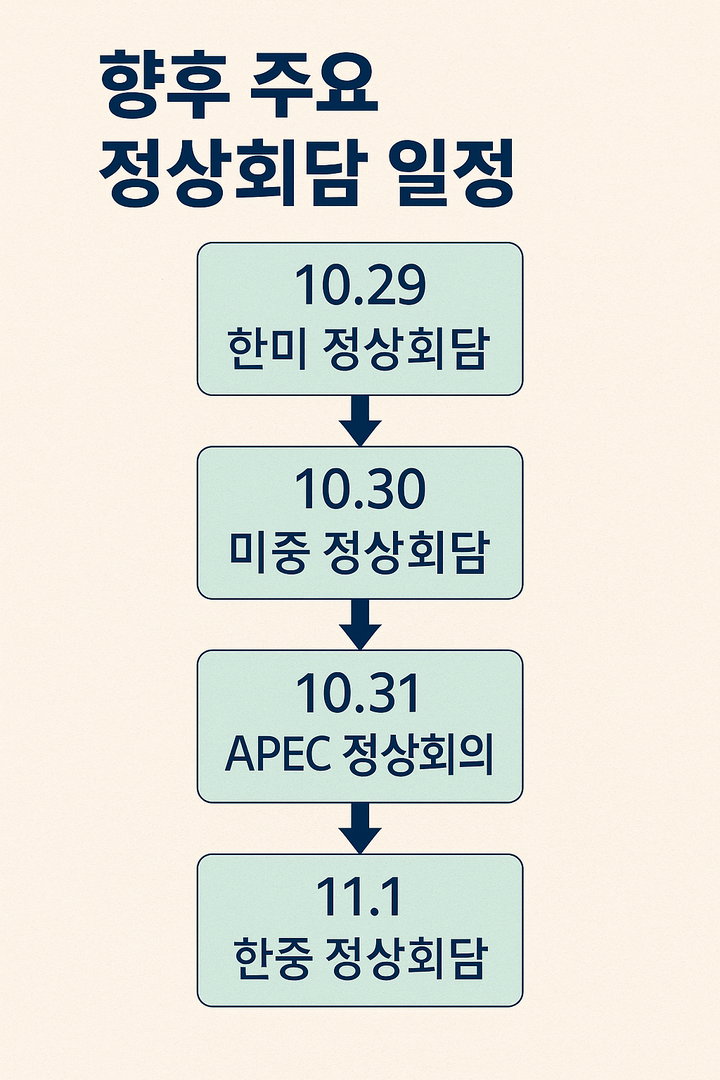
The meetings, continuing momentum after the APEC summit, focused on tariff matters, strengthening the ROK-US alliance, and denuclearization of the Korean Peninsula. Discussions may also have included potential adjustments to defense cost-sharing,including expenses related to U.S.troop presence in Korea.
Analysts at Hana Securities Research, as cited in news reports, suggest the summitS outcome removes a notable overhang on the domestic stock market.While the possibility of increased defense costs could present economic challenges, cooperation regarding North Korea’s denuclearization is viewed as a positive step toward mitigating geopolitical risks.
However, remarks from U.S. Federal Reserve Chairman Jerome Powell following the Federal Open Market Committee (FOMC) meeting on October 29th have introduced uncertainty regarding a potential interest rate cut in December, which may limit further stock market gains.
Investors are advised to favor stocks poised to benefit from favorable tariff conditions while remaining cautious about the trajectory of interest rate reductions.Securities analysts anticipate the summit’s results, combined with increased liquidity and strong semiconductor performance driven by the AI boom, will provide significant upward momentum, with upcoming summits of major countries expected to offer further support.
Researcher Kim anticipates a positive impact from the U.S.-China summit scheduled for October 30th, specifically regarding potential delays in applying high tariffs on rare earth elements and cutting-edge software, which would also benefit the Korean stock market. Shipbuilding cooperation is valued at USD 150 billion. Companies like Hanwha Aerospace may see short-term benefits from potential defense cost discussions.
