
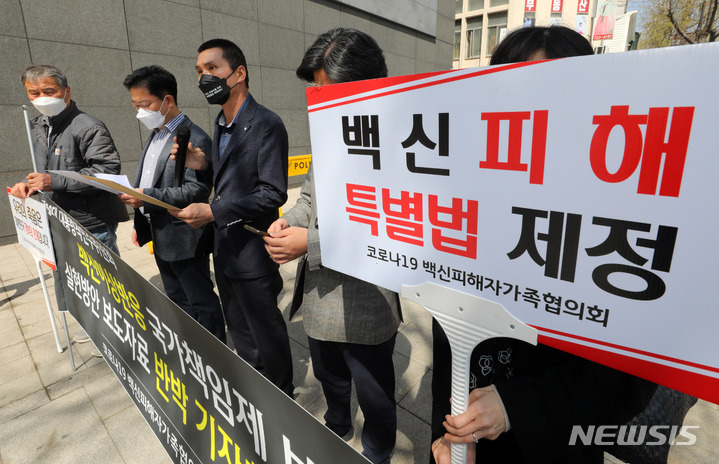
Surge in COVID-19 Vaccine Compensation Re-evaluation requests
Seoul, South Korea – Following the enactment of the Special act on Compensation for COVID-19 Vaccination Damage, the Korea Disease Control and Prevention Agency (KDCA) has received approximately 360 applications for review between October 23rd and November 6th. This influx is largely driven by individuals previously denied compensation seeking re-evaluation under the new law.
The Special Act mandates the government to consider claims for damages incurred after COVID-19 vaccination between February 26, 2021, and June 30, 2024, providing for medical expense and death benefit coverage upon successful deliberation. The legislation was enacted in response to concerns that previous causality standards under the Infectious Disease prevention Act were overly restrictive, hindering adequate compensation for those experiencing adverse effects.
A significant portion – roughly 65% – of the 360 applications represent requests for reconsideration of previously dismissed claims. The remaining applications are first-time submissions for compensation.
The new law allows for a fresh review even for cases where a prior deliberation resulted in a denial of benefits. The Act establishes a presumption of causality if three conditions are met: a temporal link between vaccination and adverse reaction,a plausible medical or empirical basis for the connection,and evidence excluding other potential causes. (Article 6 of the Special act).
the KDCA is currently developing detailed judgment standards for assessing ”adverse reaction causality” and anticipates commencing full deliberation of applications next month.
Regarding the timeline for review, a KDCA official stated that simpler cases can be processed quickly, while more severe or complex cases will require more extensive evaluation.”It is arduous to predict the period because it varies for each individual case,” the official explained.
(Source: Newsis)
