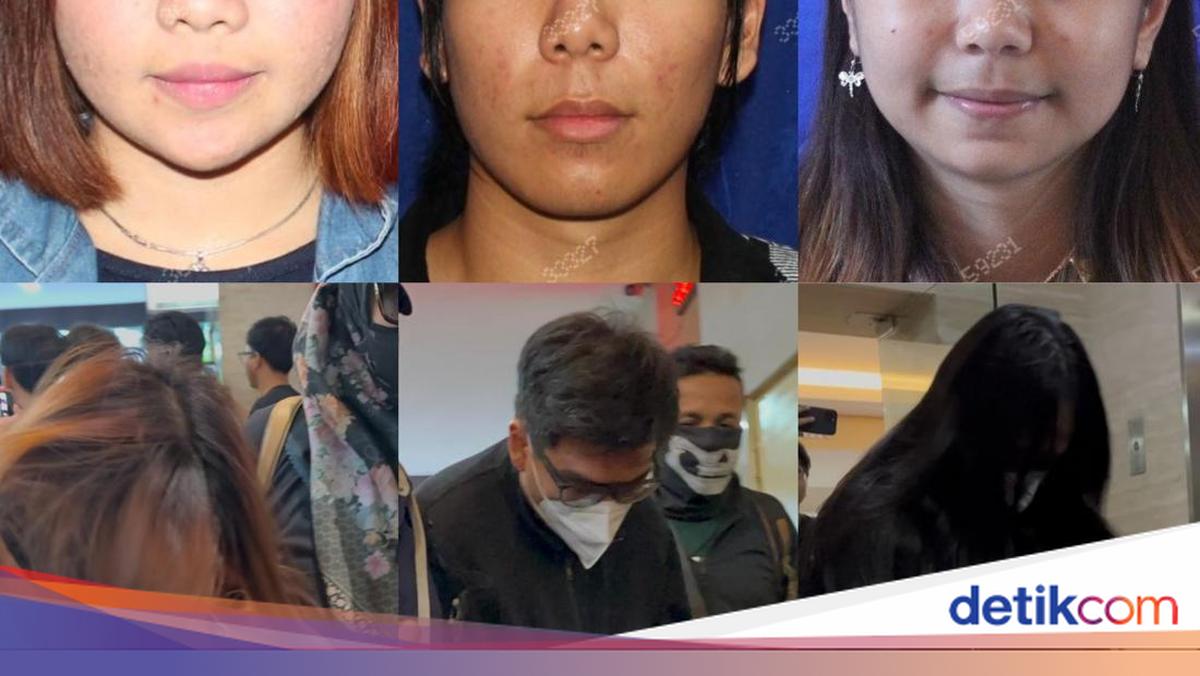
Ko Erwin’s Narcotics Network Dismantled: Wife, Children Arrested, Accounts Frozen by Police
On April 25, 2026, Indonesian National Police (Polri) arrested Ko Erwin, suspected leader of a major narcotics syndicate, along with his wife and two children in Jakarta, exposing a sophisticated money laundering network that funneled over Rp 211 billion through shell accounts tied to a fake clinic operation, raising urgent concerns about the infiltration of drug profits into legitimate healthcare and modest business sectors.
The arrest, conducted by Bareskrim units following months of financial surveillance, revealed how Erwin’s syndicate used falsified medical invoices and affiliate-linked bank accounts to disguise drug proceeds as clinic revenue—a tactic that exploits gaps in Indonesia’s healthcare billing oversight and enables criminal funds to circulate undetected through local economies. This case is not isolated; it reflects a growing trend where narcotics networks infiltrate service-sector businesses to legitimize illicit cash flows, particularly in urban centers like Jakarta, Surabaya, and Medan, where regulatory capacity struggles to keep pace with financial innovation in crime.
The Mechanics of Laundering Through Healthcare Facades
Investigators traced the flow of funds through a network of over 50 shell companies registered under the name “The Doctor Clinic,” which submitted inflated or entirely fabricated medical claims to national health insurers (BPJS Kesehatan) and private providers. These claims were then used to justify large cash deposits into personal and corporate accounts, effectively cleaning drug money through the guise of legitimate healthcare transactions. The scale—Rp 211 million in laundered funds—suggests a prolonged operation, likely active for 18 to 24 months prior to detection.
This method mirrors patterns seen in recent financial crime typologies flagged by the Indonesian Financial Transaction Reports and Analysis Center (PPATK), which noted in its 2025 annual report a 40% increase in suspicious transactions linked to healthcare providers in Java and Sumatra. Criminal groups are increasingly targeting sectors with high cash turnover and complex reimbursement systems, using them as conduits for narcotics proceeds.

“When criminals use clinics or pharmacies to launder money, they don’t just hide cash—they erode public trust in essential services. Every fake invoice undermines the integrity of our healthcare system and diverts resources from those who truly need them.”
The ripple effects extend beyond finance. Legitimate small clinics now face heightened scrutiny from banks and insurers, making it harder for honest providers to secure loans or process claims. In Jakarta’s Central Jakarta municipality, local health offices reported a 15% increase in audit requests for small medical practices since January 2026, straining already limited regulatory staff.
Geo-Local Impact: Jakarta’s Informal Economy Under Pressure
Ko Erwin’s network operated primarily in South Jakarta, where clusters of unlicensed wellness centers and telemedicine startups have proliferated since the pandemic. These businesses, often operating in legal gray areas, became ideal covers for laundering due to minimal oversight and high patient volumes—real or fabricated. The arrest has prompted municipal authorities to review licensing protocols for home-based health services.
According to data from the Jakarta Provincial Health Office, over 3,200 home-based health businesses were registered in 2025, a 60% rise from 2023. While many provide legitimate teleconsultations or mobile nursing services, the lack of standardized digital verification for patient visits creates vulnerabilities. Erwin’s case exposed how easily such systems can be gamed when documentation relies on self-reported logs rather than integrated electronic health records.

“We are not against innovation in healthcare delivery, but we must close the loopholes that allow criminal enterprises to pose as legitimate providers. Verification must move beyond paper logs to real-time, tamper-proof systems.”
This incident also highlights strain on Indonesia’s anti-money laundering (AML) framework. Although Law No. 8 of 2010 on AML and its amendments provide a strong legal foundation, enforcement remains challenged by fragmented data sharing between BPJS, the Ministry of Health, and financial institutions. The Financial Services Authority (OJK) has called for faster integration of healthcare claims data into the Suspicious Transaction Reporting System (STR), a reform long advocated by transparency groups.
The Directory Bridge: Who Steps In When Trust Breaks?
When legitimate healthcare providers are wrongly suspected due to systemic gaps in verification, they need more than legal defense—they need reputational rehabilitation and operational support. Medical practices facing unwarranted audits or insurance freezes turn to healthcare compliance attorneys who specialize in navigating BPJS regulations and defending against false fraud allegations. These experts aid providers reconstruct records, appeal wrongful denials, and implement AML-compliant billing systems.

Simultaneously, small clinics seeking to rebuild trust with patients and insurers benefit from medical billing consultants who audit claims for accuracy, train staff on proper documentation, and implement electronic health record (EHR) systems that reduce fraud risk. In Surabaya and Bandung, demand for such services has grown by 30% since early 2026, according to the Indonesian Healthcare Technology Association.
Beyond individual providers, municipal health departments overwhelmed by rising caseloads require public health systems analysts to audit licensing workflows, recommend automation tools for provider verification, and design risk-based inspection models that focus resources on high-threat entities without burdening compliant businesses.
The solution is not more bureaucracy—it’s smarter, interconnected systems that protect both public health and economic integrity. As criminal tactics evolve, so must the defenses of the institutions they target.
The Erwin case is a stark reminder that narcotics networks don’t just operate in the shadows—they embed themselves in the fabric of daily life, exploiting the very services meant to heal and support communities. When a clinic’s invoice becomes a tool for laundering, the damage goes beyond lost revenue; it fractures the bond of trust between providers and the public they serve.
For those working to restore that trust—whether in a Jakarta clinic, a Surabaya health office, or a Bandung regulatory desk—the path forward lies not in suspicion, but in precision: verified expertise, transparent systems, and the courage to innovate without leaving the door open for abuse. Find those who can help build that future in the World Today News Directory.