
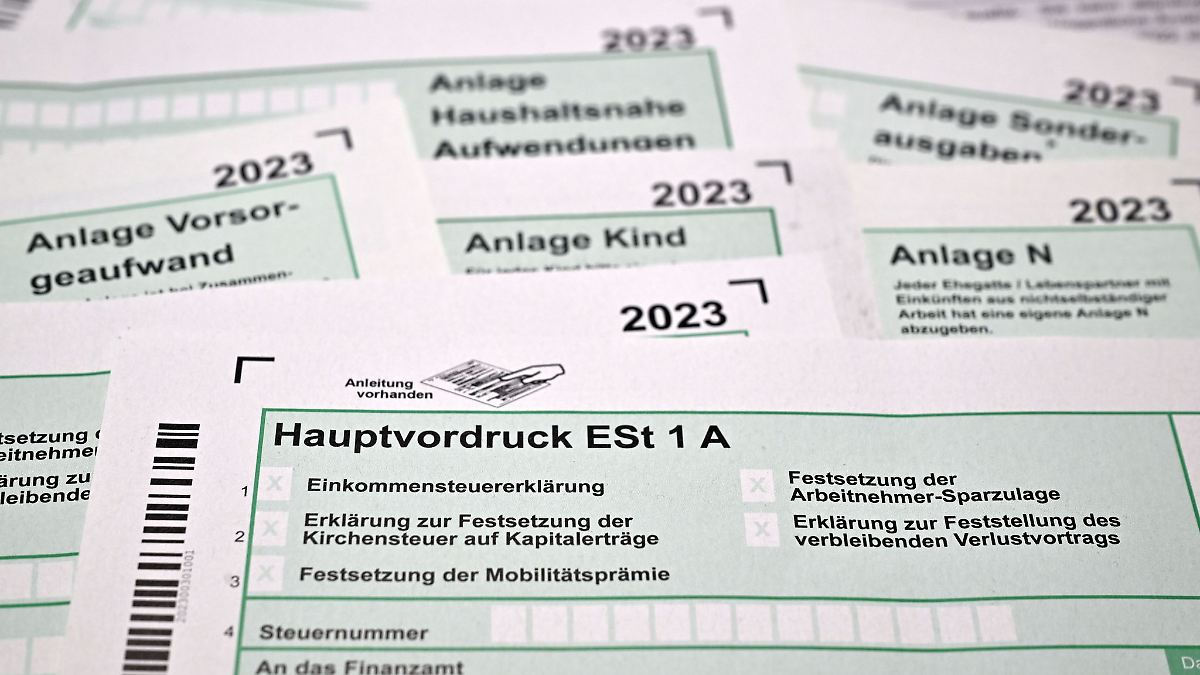
Berlin – Germany’s Finance Minister Lars Klingbeil plans to introduce a tax relief package for small and medium-sized earners in the coming months, according to reports confirmed by a spokesperson for the minister. The move comes as the debate over tax reform intensifies, spurred by proposals from the opposition Christian Democratic Union (CDU).
Klingbeil’s plan, first reported by Bild newspaper, aligns with a commitment made in the governing coalition agreement to ease the tax burden on this income bracket by the middle of the current legislative period. Even as specific details remain undisclosed, the Finance Ministry is actively developing a reform proposal to be presented later this year, the spokesperson said.
The CDU, under General Secretary Carsten Linnemann, has been advocating for a different approach to tax relief. Linnemann has called for raising the income threshold for the top tax rate from €68,000 to €80,000 per year, arguing it would alleviate the burden on the middle class. “We need to deliver on tax policy,” Linnemann stated to Bild am Sonntag, urging the SPD to engage in discussions on a comprehensive reform package.
The proposal has drawn criticism from across the political spectrum. Green Party leader Katharina Dröge characterized Linnemann’s plan as “completely without compass,” arguing it disproportionately benefits high earners while neglecting broader relief measures. Doris Achelwilm of the Left Party labeled the proposal “a disgrace,” claiming it would ultimately harm lower-income individuals.
Within the governing coalition, Sebastian Roloff, the economic policy spokesperson for the SPD parliamentary group, indicated openness to adjusting the top tax rate threshold, but only as part of a broader package. “A shift in the threshold for the top tax rate as part of a package of measures can be sensible with a view to medium incomes,” Roloff told the Handelsblatt newspaper. He emphasized the need for higher earners to contribute more through a potentially increased top tax rate.
Though, Clemens Fuest, President of the Ifo Institute, expressed skepticism about the feasibility of funding substantial middle-class tax relief through increased taxes on high earners. “Of course, one can raise the top tax rate, but This proves difficult to finance a noticeable relief for the middle class with it,” Fuest said in an interview with the Handelsblatt. He pointed out that the number of taxpayers with very high incomes is significantly smaller than the middle class, and raising the top rate could negatively impact medium-sized businesses.
The debate over tax reform is expected to continue in the coming months as Klingbeil’s ministry finalizes its proposal. The timing of the release and the specifics of the plan remain uncertain, leaving the future direction of German tax policy in flux.
