
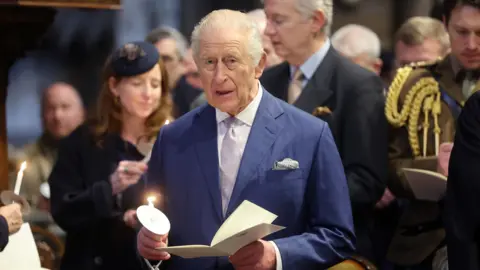
King Charles III is now at teh center of a structural shift involving public health interaction on cancer screening. The immediate implication is an elevation of preventive health messaging within the UK’s health system and potential ripple effects for health‑policy engagement in othre high‑visibility societies.
The Strategic Context
Historically, monarchs and heads of state have wielded soft power through personal narratives that shape public attitudes. In the United Kingdom, the sovereign’s role is constitutionally neutral but culturally influential, especially on health‑related issues where personal experience can break stigma. The UK’s National Health Service (NHS) has long struggled with sub‑optimal uptake of its three national cancer‑screening programmes (bowel, breast, cervical), despite systematic invitations. Demographic aging, rising cancer incidence, and fiscal pressures on the NHS create a structural need to improve early‑diagnosis rates to contain downstream treatment costs. The King’s public disclosure of his own cancer journey intersects with these long‑standing systemic challenges, offering a rare catalyst for behavioral change.
Core Analysis: Incentives & Constraints
Source signals: The King publicly stated that his cancer treatment frequency will be reduced in the new year, urged the public to use available screening, highlighted that nine million UK residents are not up‑to‑date with screening, and emphasized that early diagnosis saves lives.Health officials and charities praised the message as powerful and supportive of screening uptake. the monarchy’s communication was delivered via a recorded video for a national cancer‑charity campaign and referenced the king’s personal experience without disclosing cancer type.
WTN Interpretation: The monarch’s incentive is twofold: (1) personal legitimacy-demonstrating resilience and continuity of duty despite health challenges; and (2) institutional stewardship-leveraging his unique platform to address a public‑health gap that aligns with broader government objectives of reducing cancer mortality and NHS expenditure. The King’s limited constitutional power means his influence operates through moral authority rather than policy enactment, constraining direct impact but amplifying public perception. Health‑system actors (NHS England, cancer charities) gain credibility and a communication boost, but remain constrained by budgetary limits and existing screening capacity. The broader structural context of an aging population and fiscal austerity heightens the strategic value of any increase in early‑diagnosis rates, as it can defer costly late‑stage treatments.
WTN Strategic Insight
When a head of state personalizes a chronic disease, the resulting credibility surge can translate into measurable increases in preventive health actions-a lever that democracies with universal health systems can exploit without legislative change.
Future Outlook: Scenario Paths & Key Indicators
Baseline Path: the King’s message sustains media attention for several months, leading to a modest but statistically meaningful rise in screening appointment bookings (estimated 3‑5% increase). NHS communication campaigns integrate the royal endorsement, reinforcing existing invitation letters. Cancer detection rates improve marginally, easing pressure on oncology services and supporting the government’s cost‑containment agenda.
Risk Path: Public attention wanes quickly, or backlash emerges over perceived politicization of health messaging, limiting behavioral impact. Screening uptake remains stagnant, and the missed‑opportunity figure (nine million) persists, maintaining current cancer mortality trends. Additionally, any future health setback for the monarch coudl dampen the credibility of the message, reducing its long‑term efficacy.
- Indicator 1: Quarterly NHS screening uptake statistics (bowel,breast,cervical) compared to pre‑announcement baselines.
- indicator 2: Media sentiment analysis of royal health communications over the next three months, tracking volume and tone of coverage.
