
E-Reader Realities: Kindle vs. Domestic Brands in 2025
Teh Allure of E-Paper: A Promise unfulfilled?
The initial appeal of electronic paper books is clear: eye protection and time savings, allowing for quick reading anywhere. However, the reality can fall short of these expectations. Many users find themselves navigating a landscape of compromises and frustrations.
Second-Hand Kindle: Bargain or Burden?
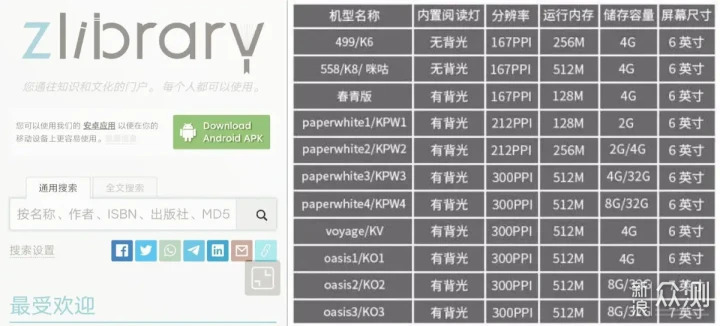
The lure of a cheap, second-hand Kindle is strong, with claims of accessing entire online libraries for around $15. However, proceed with caution.
- Price: While used Kindles, particularly older Paperwhite models, are inexpensive, costing $30-$50, quality and battery life are uncertain.
- battery Life: A common complaint is diminished battery performance. One user reported a supposedly “99%” new Kindle lasting only three to four days with moderate use.
- content Sourcing: Transferring books via Calibre can be convenient,but navigating platforms like Z-library can be cumbersome.
The joke about a 100-yuan instant noodles cover
might reflect the real frustration of a disappointing purchase.
The used electronics market can be unpredictable. Sellers may misrepresent the condition of devices, selling refurbished or defective units as new. Inability to register or upgrade the system renders the device nearly useless.
Hanvon and Other Domestic Brands: A different Approach
Hanvon e-readers,such as the N10,are often recommended. However, user experience varies.
- Navigation: Some users find the file system cumbersome,preferring Kindle’s library interface and progress bar.
- Handwritten Office: While some appreciate the handwritten note-taking capabilities, others prefer using an iPad with a stylus.
- Tablet Alternatives: For vision protection, consider tablets with soft light screens.
While tablet interaction is not as seamless as desktop or laptop, it offers near-full functionality. E-paper devices often suffer from a less smooth overall experience, requiring a computer for file export. features like voice-to-text and AI integration are often less refined.
There is still a lot of room for improvement.
Screen Quality: Kindle’s “Paper Feel” Advantage
Kindle maintains an edge in screen quality, offering a more authentic “paper feel.” While the gap between Kindle and domestic brands has narrowed, inconsistencies persist.
Users accustomed to Kindle may notice a difference,describing a sense of dust and graininess
on some domestic e-readers. This subtle difference can impact the reading experience.
Final Thoughts: Navigating the E-Reader Landscape
Screen quality control remains a concern. Some domestic screens exhibit noticeable reflections under light and meaningful graininess. System-level issues also vary.
If a product lacks real-world demonstrations or relies on heavily filtered videos, proceed with caution.Verify the screen quality in person before committing to a purchase.
Be wary of fake product displays. If the received goods do not match the description, initiate a return immediately.
For frequent literature readers and PDF annotators,Hanvon might potentially be suitable. Though, for general users, tablets or computers may offer a more pleasant experience. A second-hand Kindle can be a viable option,but thorough research is crucial.
If you read literature frequently and occasionally comment on PDF academic celebrities,it might potentially be more comfortable for you to use Han Wang,but ordinary workers and desktop users are not as comfortable as using Pad or computer directly.A second-hand Kindle is also fine, but you must do a good job of avoiding pitfalls in advance.
