Kevin O’Leary Calls Stablecoins the Safest Assets in Crypto Market
Kevin O’Leary Declares Stablecoins the Safest Crypto Assets
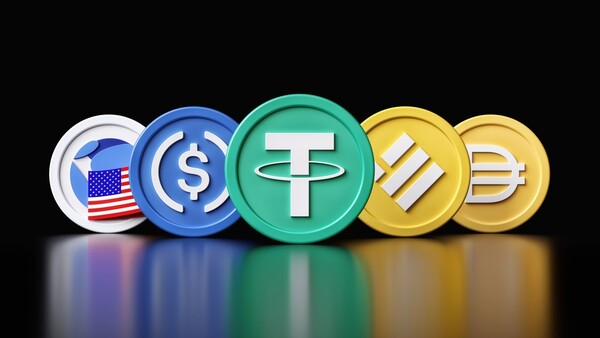
Billionaire investor and television personality Kevin O’Leary singled out stablecoins as the safest assets in the cryptocurrency market, digitaltoday.co.kr reported on Oct. 20. Categorizing digital assets by volatility, regulatory status, and adoption potential, O’Leary placed stablecoins at the bottom of the risk spectrum compared to Bitcoin and other decentralized tokens.
The Tech TL;DR:
- Asset Classification: Kevin O’Leary divided the cryptocurrency market into three distinct buckets: stablecoins, Bitcoin, and enterprise blockchain tokens.
- Regulatory Backing: Stablecoins benefit from clearer legal standing under the Genius Act enacted in July 2025, which mandates that issuers hold qualified liquid asset reserves.
- Market Adoption Hurdles: Bitcoin and blockchain tokens face institutional delays due to ongoing legislative battles, including the stalled Clarity Act.
Regulatory Frameworks Shape Risk Profiles
The foundation of O’Leary’s risk assessment rests on existing federal legislation. According to digitaltoday.co.kr, O’Leary defined stablecoins as digital money backed by U.S. Kucoin.com noted that the legislation requires covered issuers to maintain reserves composed of qualified liquid assets. This federal structure differentiates stablecoins from speculative instruments, though safety still depends on reserve quality, issuer credibility, and redemption terms.

Conversely, Bitcoin occupies a far more volatile risk tier. O’Leary characterized Bitcoin as a speculative risk asset that lacks complete legal certainty. Kucoin.com reported that institutional adoption of Bitcoin remains slow because the Clarity Act failed to pass a Senate vote in September. Without federal statutory backing equivalent to stablecoin rules, corporate treasuries face compliance barriers when holding unhedged cryptocurrencies.
Enterprise Software Adoption Metrics
Beyond currency and speculative assets, O’Leary evaluated Ethereum and broader blockchain tokens through the lens of enterprise software. Digitaltoday.co.kr reported that he compared blockchain networks to traditional software products, where actual user adoption dictates underlying value. Despite twelve years of market presence, blockchain technology has seen minimal enterprise integration, keeping tokens in a high-scrutiny category.
Further congressional legislation will dictate the speed at which Bitcoin and blockchain tokens enter institutional portfolios. Until regulatory clarity catches up with payment stablecoins, market participants continue to treat non-stablecoin assets with heightened caution.
Disclaimer: The technical analyses and security protocols detailed in this article are for informational purposes only. Always consult with certified IT and cybersecurity professionals before altering enterprise networks or handling sensitive data.