
The Keto Rash: Why a Popular Diet Can Cause Skin problems and How to Fix It
The ketogenic diet, or “keto” as it’s commonly known, has surged in popularity as a weight-loss strategy. But alongside the reported benefits of weight loss and improved blood sugar control, a less discussed side effect is emerging: a distinctive skin rash. Often appearing as itchy,red bumps,this “keto rash” can be frustrating and uncomfortable. While not life-threatening, understanding its causes and how to address it is crucial for anyone considering or currently following a ketogenic lifestyle. This article delves into the science behind the keto rash, explores its various presentations, and outlines effective strategies for prevention and treatment, including a real-life case where dietary adjustments and targeted medical intervention brought relief.
What is the Keto Rash?
The keto rash isn’t a single, formally defined dermatological condition. Instead, it’s a descriptive term for a variety of skin eruptions that appear to be linked to the metabolic changes induced by the ketogenic diet. These changes primarily involve a drastic reduction in carbohydrate intake, forcing the body to switch from using glucose as its primary fuel source to utilizing fats and producing ketones.
Several theories attempt to explain the connection between ketosis and skin issues. The moast prominent include:
* Electrolyte Imbalance: The keto diet often leads to increased excretion of electrolytes – sodium, potassium, and magnesium – through urine. These electrolytes are vital for maintaining skin hydration and function. A deficiency can disrupt the skin barrier, leading to inflammation and rashes. https://www.ncbi.nlm.nih.gov/pmc/articles/PMC8876588/
* Inflammation: While keto is frequently enough touted for its anti-inflammatory properties, the initial transition can sometimes trigger a temporary inflammatory response as the body adjusts. This inflammation can manifest as skin irritation.
* Gut Microbiome Changes: The drastic dietary shift can alter the composition of the gut microbiome, potentially impacting skin health. A healthy gut microbiome is increasingly recognized as crucial for immune function and skin integrity. https://www.ncbi.nlm.nih.gov/pmc/articles/PMC7369703/
* Fatty Acid Metabolism: Increased fat metabolism can lead to the production of certain metabolites that may contribute to inflammation in susceptible individuals.
How Does a Keto Rash Present Itself?
The appearance of a keto rash can vary considerably from person to person. Common presentations include:
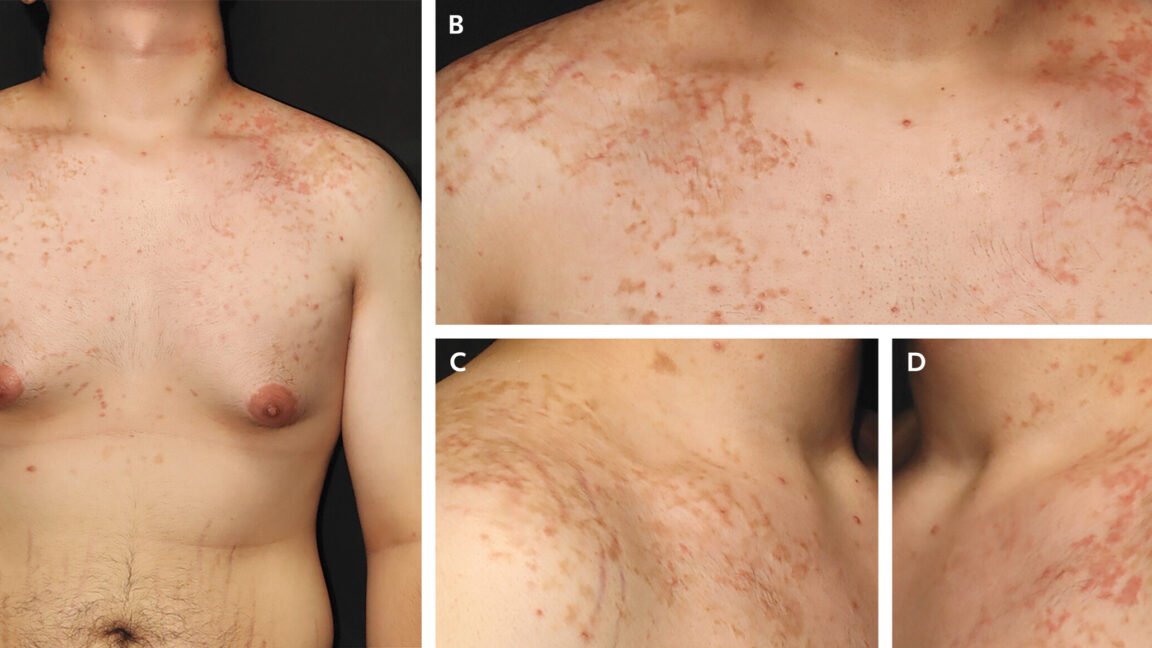
* prurigo Pigmentosa: this is perhaps the most frequently associated rash with keto. It presents as small, flat-topped, brownish-purple bumps, frequently enough intensely itchy, typically appearing on the trunk and upper arms.
* Eczema Flare-Ups: Individuals with pre-existing eczema may experience worsening symptoms while on keto.
* Hives (Urticaria): Although less common, some individuals report developing hives, characterized by raised, itchy welts.
* General Redness and Irritation: A more diffuse redness and irritation can occur, especially in areas prone to friction.
* Acne-like Breakouts: Some people experience an increase in acne or acne-like breakouts, potentially linked to hormonal fluctuations or changes in sebum production.
A real-Life Case: Doxycycline and Dietary Correction
The story of a patient experiencing relief with doxycycline and a return to a less restrictive diet highlights the complexity of the keto rash. As reported, a man following a strict ketogenic diet developed a widespread rash. After a week on doxycycline, an antibiotic, the rash resolved. Crucially, his doctor also advised him to discontinue the keto diet. This case suggests a few possibilities: the rash was triggered by inflammation related to ketosis, and the antibiotic helped to quell that inflammation. However, the long-term solution wasn’t the medication itself, but rather addressing the underlying dietary cause.
it’s vital to note that doxycycline isn’t a standard treatment for keto rash and should only be used under the guidance of a medical professional. This case underscores the importance of a holistic approach – addressing both the symptoms and the potential underlying cause.
Preventing and Treating the Keto Rash: A Comprehensive Approach
Addressing a keto rash requires a multi-faceted strategy. Here’s a breakdown of preventative measures and treatment options:
1.Electrolyte Replenishment:
* Sodium: Increase sodium intake through broth, salted snacks, or electrolyte supplements. Aim for 3-5 grams of sodium per day.
* Potassium: Consume potassium-rich foods like avocados, spinach, and mushrooms. Supplementation may be necessary, but consult a doctor before taking potassium supplements, as excessive intake can be hazardous.
* Magnesium: Magnesium deficiency is common. Consider magnesium citrate or glycinate supplements. Dosage varies, but 200-400mg per day is a common starting point.
2. Hydration: Drink plenty of water throughout the day. Ket
