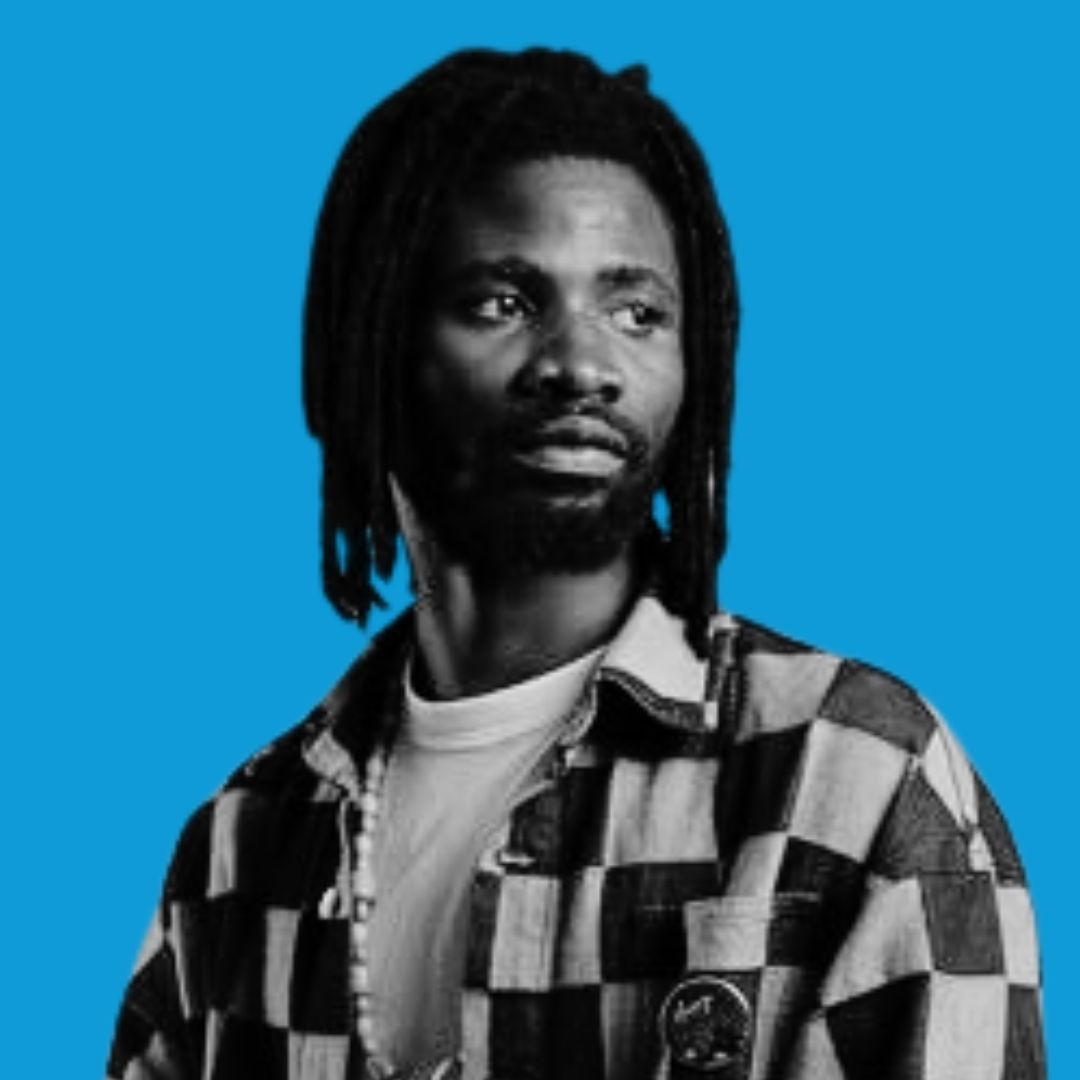
Kenyan Artivist Brian Silweyz Uses Poetry to Document State Violence
In an interview published Monday by CIVICUS Lens and republished by Global Issues, Kenyan spoken-word artist Brian Silweyz says he uses poetry to document state violence that authorities try to silence.
Silweyz describes himself as an “artivist” who builds work on “the story of me, the story of us and the story of now.” He said his poems draw on lived experience, including the killing of Elijah Muthoka Mwongeli, a secondary school student in Machakos shot dead during protests in July 2025.
“I ask how a police officer can stoop so low as to kill a secondary school student,” Silweyz told CIVICUS Lens.
A police watchdog has counted at least 127 people killed during protests in 2024 and 2025, and abductions of critics continue, according to the interview.
On June 25, police blocked roads and arrested more than 350 people at a memorial march marking two years since youth-led protests forced the withdrawal of a finance bill, Global Issues reported. Police beat six detained protesters before dumping them in different parts of Nairobi.
Silweyz said his activism began after personal targeting. In September 2023, six plainclothes officers beat him in Nakuru and held him for nearly three hours at Nakuru Central Police Station, a week after he appeared on two local television stations to denounce police brutality.

“If I’m profiled even though I’m a known artist, what happens to young people who aren’t? They get abducted, tortured and killed, and their stories go untold,” he said.
He takes performances into matatus — shared minibuses — to reach commuters directly. With poet Willie Oeba, he conducts civic education on routes across Nairobi, urging voters to register ahead of the 2027 general election.
“Passengers almost always respond well. They promise to vote wisely, and many join the discussion,” Silweyz said.
Threats have followed. During July 2024 protests, unknown callers demanded 20,000 shillings (about US$150) for “protection” and claimed to know his address. He reported the extortion to police, who referred it to the Directorate of Criminal Investigations, and filed a complaint with the Independent Policing Oversight Authority.
“I still have the police report number, but nothing has been done,” he said. He has moved homes repeatedly because of ongoing threats on social media.
Other artists face pressure. In April 2025, police arrested former senator Cleophas Malala over a school play about youth demanding good governance. Silweyz said KTN once cut his microphone mid-performance and told him to stop saying “enough.” He added that his content is now shadow-banned on social media and brands refuse funding because his message is “too controversial.”
In September, Silweyz attended the fourth Activist Symposium in Maputo, Mozambique, meeting human rights defenders from across Africa.
“When young activists in Kenya see me taking part in a meeting like this, they know our work is being recognised beyond our borders,” he said.