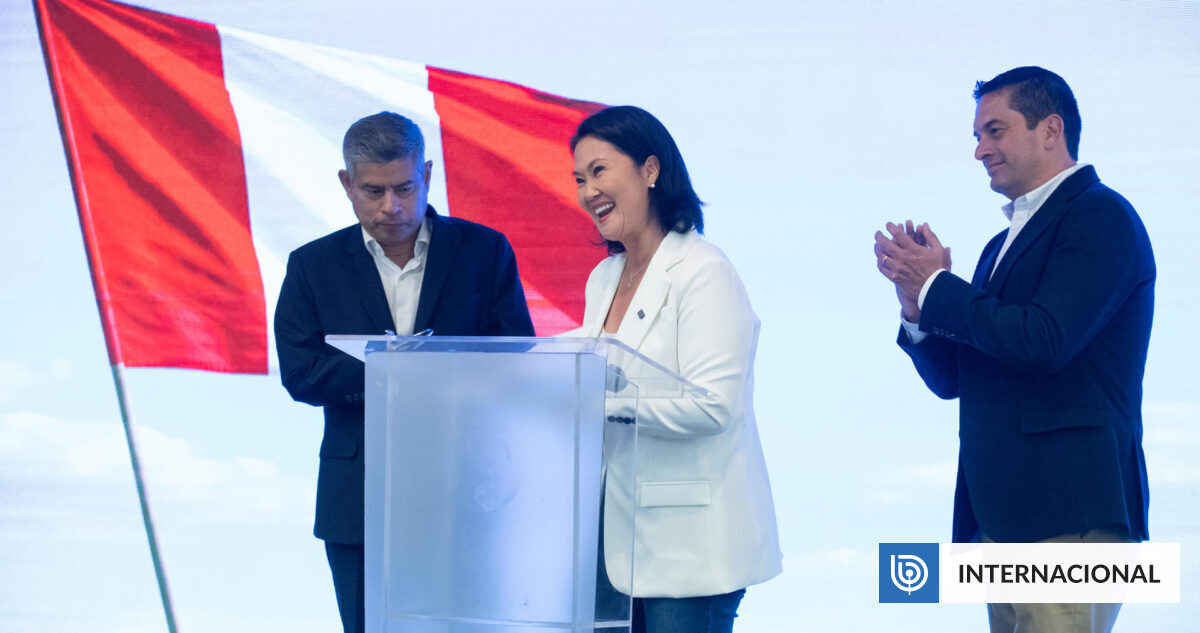
Keiko Fujimori Leads Preliminary Polls in Peru Presidential Elections
Keiko Fujimori leads the first round of Peru’s April 12, 2026, presidential elections with approximately 17% of the vote. A runoff is expected on June 7, likely pitting Fujimori against ultraconservative Rafael López Aliaga, as Peruvian voters seek a “strong leader” to combat rising insecurity and chronic political instability.
The numbers coming out of the National Office of Electoral Processes (ONPE) reveal a country deeply fractured, yet leaning decisively toward the right. With 49.2% of the ballots counted as of the early hours of April 13, the result is a familiar Peruvian stalemate: a lack of a clear majority and a path leading straight to a second-round ballotage. This isn’t just about who wins; it is about a nation exhausted by a decade of systemic collapse, having cycled through eight different presidents in ten years.
For the business community and foreign investors, this volatility creates a precarious environment. The constant shifting of executive power often necessitates the intervention of high-level corporate law firms to navigate the resulting legislative instability and protect long-term assets from sudden regulatory pivots.
The Preliminary Numbers: A Race for the Runoff
Even as exit polls from firms like Ipsos and Datum initially suggested a “statistical tie” for second place between several candidates—including the centrist Jorge Nieto and the leftist Roberto Sánchez—the official partial count is beginning to crystallize a different picture. Keiko Fujimori, the daughter and political heir of former president Alberto Fujimori, has reclaimed her position at the top, though her lead is narrow.
| Candidate | Votes (Partial) | Percentage | Political Lean |
|---|---|---|---|
| Keiko Fujimori | 1,540,452 | 17.01% | Right-wing |
| Rafael López Aliaga | 1,365,786 | 15.08% | Ultra-right |
| Jorge Nieto | 1,185,402 | 13.09% | Centrist |
The sheer number of candidates—35 in total—highlights a level of political fragmentation that is almost unprecedented. This dilution of the vote ensures that no single candidate can achieve the 50% threshold required for a first-round victory. The decision will fall to a runoff on June 7.
For Fujimori, this marks a historic and frustrating milestone: her fourth consecutive second-round appearance. Having lost in 2011, 2016 and 2021, she is once again on the precipice of power, this time celebrating the fact that left-wing candidates have been effectively squeezed out of the final stage of the contest.
The Mandate for ‘Mano Dura’
The driving force behind this electoral shift is not necessarily a devotion to a specific party, but a desperate reaction to citizen insecurity. The Peruvian electorate is increasingly searching for a “strong leader” capable of imposing order. This trend toward “mano dura” (a strong hand) mirrors movements seen elsewhere in the region, with the approach of El Salvador’s Nayib Bukele serving as a point of reference for many voters.
“There is a very strong increase in the right-wing voter,” explains Peruvian political scientist Paolo Sosa, a researcher at Tulane University. “Fujimori, López Aliaga, and others are condensing that vote, which is largely a rejection of the left, while on the other side, there is an anti-system leftist voter.”
This obsession with security has tangible implications for the private sector. As the state struggles to maintain order, many enterprises are forced to rely on vetted private security consultants to protect their operations and personnel, filling the gap left by a struggling municipal infrastructure.
“People are looking for ‘mano dura’,” says Urpi Torrado, CEO of the market research agency Datum. “It is about the candidate who can transmit that they will fulfill what they promise and will be able to put order in the country.”
Instability and the Shadow of Fraud
The road to the June 7 runoff is unlikely to be peaceful. Rafael López Aliaga, the former mayor of Lima who resigned his post to run for president, has already begun sowing seeds of doubt. Despite the lack of evidence, López Aliaga has denounced a supposed fraud and called for the detention of those responsible for the electoral process, citing delays during the voting day.
This rhetoric is a dangerous addition to a political landscape already marred by instability. When the legitimacy of the ONPE is questioned without proof, it threatens the very foundation of the democratic transition. The risk of civil unrest is a primary concern for those managing regional economies, particularly in Lima and the surrounding provinces where political tensions often boil over into street protests.
The current crisis is not merely electoral; it is a crisis of faith in governance. With 10,000 candidates running for Congress alongside the presidential hopefuls, the legislative branch is poised to be just as fragmented as the executive. This suggests that whoever wins in June will face a hostile or paralyzed parliament, further complicating the implementation of any “strong hand” policies.
To manage these systemic risks, many civic leaders are turning to political advocacy groups to foster dialogue and ensure that the transition of power does not lead to further institutional erosion.
Peru stands at a crossroads. The ascent of the right reflects a society that has traded the hope of progressive reform for the promise of stability and security. Whether Keiko Fujimori can finally break her cycle of defeat, or whether Rafael López Aliaga’s ultraconservatism will prevail, the underlying problem remains the same: a nation that has forgotten how to govern itself without descending into chaos. The world will be watching June 7, not just to see who wins, but to see if Peru can survive another election without another collapse.
As the political landscape continues to shift, finding verified professionals to navigate the legal and security complexities of the region is more critical than ever. The World Today News Directory remains the definitive resource for connecting with the experts equipped to handle the fallout of this developing story.