Kazakhstan Alleges Bribery and Corruption in $10.7 Billion Kashagan Oil Field Contracts
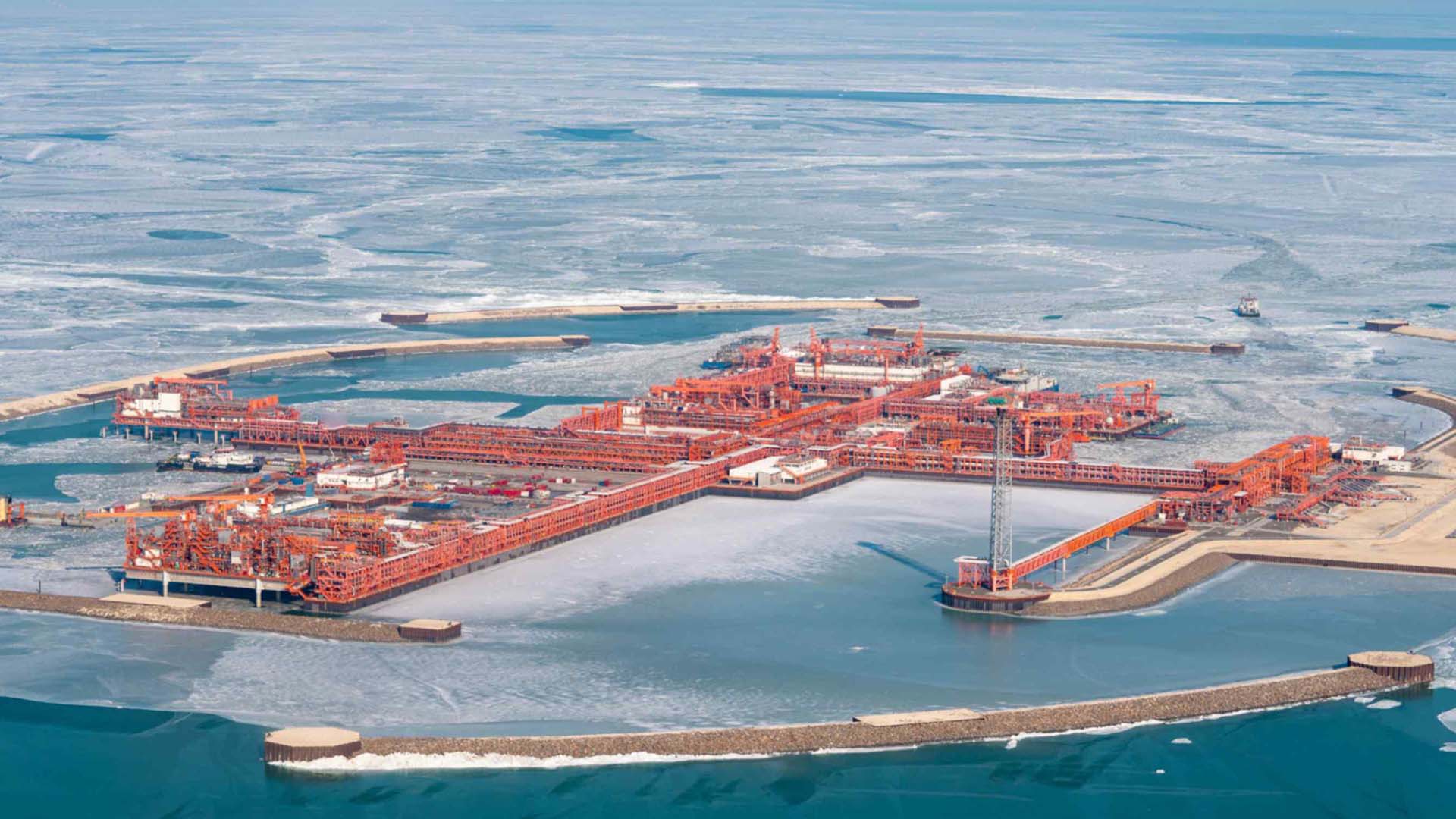
The government of Kazakhstan has formally alleged that international oil giants involved in the North Caspian Operating Consortium (NCOC) utilized corrupt practices to secure $10.7 billion in contracts for the Kashagan oil field. These claims, currently under review at the Permanent Court of Arbitration in The Hague, suggest that self-dealing and bribery caused significant production delays, resulting in billions of dollars in lost state revenue.
The Scope of the Arbitration Claims
Beyond the specific allegations of contract corruption, the government’s filing encompasses wide-ranging grievances, including claims of environmental damage and lost profit-sharing opportunities. The Kashagan field, often compared to Alaska’s Prudhoe Bay in terms of its massive resource potential, has been a source of intense tension between the host nation and its international partners for over a decade.
The core of the corruption allegation centers on approximately a dozen contracts awarded during the 2000s to international engineering and construction firms. Kazakh authorities contend these agreements were either won through illicit payments or were characterized by unjustified cost inflation. These financial discrepancies, the state argues, effectively postponed the onset of full production, preventing the Kazakh government from entering the more lucrative profit-sharing phases of the project even as consortium members continued to recover development costs.
Consortium Response and Legal Stance
The NCOC, which includes industry leaders Shell, ExxonMobil, Eni, TotalEnergies, China National Petroleum Company, and Inpex, has maintained its innocence throughout the proceedings. In communications regarding the ongoing arbitration, the consortium stated that its members acted in accordance with all relevant contracts, Kazakh laws, and applicable international standards. Due to the confidential nature of the tribunal, the consortium has declined to provide further details regarding the specific contract awards.
The tribunal in The Hague has yet to issue a ruling on these specific corruption claims. The stakes are immense; while estimates vary, the consortium has recovered roughly $60 billion in development costs, a figure that remains a point of contention given the delays in project milestones that were originally expected to yield returns much earlier.
Navigating Corporate Accountability and Infrastructure Risk
The complexity of this dispute underscores the risks inherent in large-scale energy infrastructure projects.
Historical Context and Economic Impact
This arbitration is not an isolated event but rather the latest development in a long-running tension regarding the management of Kazakhstan’s natural resources. Previous investigations have highlighted how international oil interests interacted with the country’s elite, often ignoring significant red flags in favor of securing access to the Caspian region’s vast reserves. The current $160 billion action acts as a mirror to these earlier, documented lapses in corporate governance.
The delay in full production at Kashagan—which only reached significant output levels in 2016—has fundamentally altered the economic projections for the region. By linking these delays to specific, allegedly corrupt contract awards, the Kazakh government is attempting to shift the burden of the project’s historical underperformance onto the consortium members.