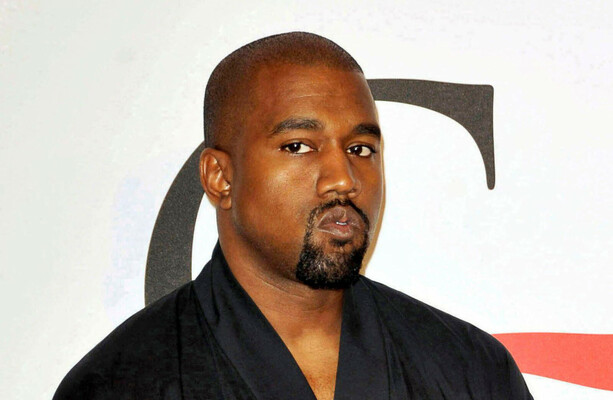
Kanye West Wireless Festival Controversy: Pepsi Drops Sponsorship Amid Outrage
UK Prime Minister Keir Starmer has condemned the Wireless Festival for booking Kanye West as a headliner following the artist’s antisemitic “Heil Hitler” lyrics. The controversy has already triggered a major corporate exodus, most notably with Pepsi withdrawing its sponsorship of the London event over brand equity concerns.
This isn’t merely a clash of political ideologies or a debate over artistic freedom; it is a textbook study in the volatility of modern brand equity. When a global superstar becomes a liability, the fallout ripples far beyond the stage. We are seeing a collision between the “cancel culture” era and the ruthless economics of the live music industry, where the desire for ticket-sale spikes clashes violently with the risk-aversion of Fortune 500 sponsors. For Wireless, the gamble was simple: West brings a guaranteed surge in gate receipts. Although, the cost of that revenue is now being measured in lost sponsorship millions and a scorched reputation in the halls of Westminster.
The tension here lies in the “uncancelable” nature of certain A-list talent. Despite a plummeting social sentiment score, West remains a powerhouse in terms of streaming metrics and merchandise velocity. But as Billboard frequently tracks, the shift from “provocateur” to “pariah” creates a ceiling for corporate partnerships. When a headliner’s rhetoric threatens the ESG (Environmental, Social, and Governance) mandates of a sponsor like Pepsi, the corporate legal teams move faster than any PR statement ever could.
“In the current climate, the ‘artistic provocation’ defense is dead. Sponsors are no longer paying for the association with the music; they are paying for the safety of their brand identity. When that identity is threatened by hate speech, the contract’s ‘morals clause’ becomes the most important document in the room.” — Marcus Thorne, Senior Partner at a leading Global Entertainment Law Firm.
The Cost of Controversy: Brand Equity vs. Ticket Velocity
From a business perspective, the Wireless Festival is navigating a precarious financial tightrope. The decision to book West was likely driven by the projected backend gross and the sheer gravity of his draw. However, the immediate withdrawal of Pepsi demonstrates that the “Kanye Effect” now carries a negative premium. In the entertainment industry, we call this “toxic asset management.” The festival is essentially trading long-term corporate stability for a short-term spike in attendance.
This level of public fallout requires more than a standard press release. When a brand faces a systemic boycott or government condemnation, they typically pivot to elite crisis communication firms and reputation managers to mitigate the damage to their long-term valuation. The goal is no longer to defend the artist, but to distance the institution from the rhetoric while maintaining the event’s operational viability.
Looking at the broader industry trend, the “morals clause” in talent contracts has evolved. It is no longer a boilerplate addition; it is a precision instrument. According to data from Variety, there has been a marked increase in “behavioral triggers” within performance contracts that allow sponsors to exit without penalty if an artist’s public conduct creates a “material adverse effect” on the sponsor’s image.
The Logistical Nightmare of High-Risk Headliners
Beyond the PR disaster, the booking of a polarizing figure like West creates a logistical leviathan. Security concerns aren’t just about crowd control; they are about the potential for organized protests and political volatility. A festival of this magnitude cannot rely on standard staffing. The production is forced to scale up its requirements, sourcing massive contracts with regional event security and A/V production vendors capable of handling high-tension environments.
The financial ripple effect extends to the city’s infrastructure. While the festival organizers are sweating over sponsorship losses, the local luxury hospitality sectors often brace for a windfall, as high-net-worth fans fly in regardless of the controversy. This creates a strange paradox: the event is a political disaster but a local economic stimulus.
“The industry is seeing a divide. On one side, you have the ‘safe’ corporate-approved tours, and on the other, the ‘outlaw’ bookings. The problem is that the outlaw bookings still rely on corporate infrastructure to exist. You cannot have a stadium-sized show without the corporate machinery, and that machinery is finally starting to break under the weight of extreme rhetoric.” — Elena Rossi, Independent Talent Consultant.
The Intellectual Property and Rights Deadlock
There is also the matter of the music itself. When an artist becomes radioactive, the syndication of their performances and the licensing of their IP (Intellectual Property) turn into fraught. If a festival records a set for later broadcast or SVOD (Subscription Video On Demand) distribution, the presence of controversial rhetoric can lead to “de-platforming” by streaming partners. This freezes the potential for secondary revenue streams, turning a high-profile performance into a financial dead-end.
For the legal teams involved, this is a nightmare of copyright and contract law. If a sponsor pulls out, does the festival have the right to claw back the artist’s fee based on a breach of the “public image” clause? Per the standard operating procedures outlined in The Hollywood Reporter’s analysis of talent disputes, these battles are usually settled in private arbitration to avoid further public scrutiny, but the financial scars remain.
the Wireless Festival is a canary in the coal mine for the live entertainment industry. The era of “separating the art from the artist” has been replaced by an era of “integrating the artist into the brand.” When the artist’s brand is antithetical to the sponsor’s values, the math simply doesn’t add up. The industry is moving toward a model where accountability isn’t just a moral imperative—it’s a fiscal one.
As the dust settles on this particular storm, the industry will look toward more vetted, sustainable ways to curate talent. Whether you are a festival promoter facing a PR meltdown or a talent agency trying to navigate a complex contract, the solution always lies in professional expertise. From navigating the intricacies of IP law to managing a global brand crisis, the right partners make the difference between a recovered reputation and a permanent blackout. You can find the world’s leading experts in these fields via the World Today News Directory.
Disclaimer: The views and cultural analyses presented in this article are for informational and entertainment purposes only. Information regarding legal disputes or financial data is based on available public records.