Judge Questions SEC Settlement With Elon Musk Over Twitter Stock Disclosures
Washington D.C. district court judge Sparkle L. Sooknanan signed off on a $1.5 million settlement between the SEC and Elon Musk, despite expressing “serious misgivings” about the deal. The settlement resolves allegations that Musk skirted stock disclosure rules during his 2022 Twitter takeover, saving an estimated $150 million at the expense of public shareholders.
The $150 Million Disclosure Gap and the SEC’s Compromise
The core of the dispute centers on Section 13(d) of the Securities Exchange Act. According to the SEC, investors who cross a 5% ownership threshold in a public company and intend to influence its ownership must disclose that stake within 10 calendar days. The SEC alleged that Musk intentionally delayed this filing to keep the stock price low while he continued to accumulate shares.

The financial impact was concrete. Authorities claim Musk purchased $500 million in Twitter shares after the disclosure deadline had passed, effectively saving $150 million by keeping the market unaware of his aggressive acquisition strategy. This lack of transparency deprived other shareholders of a fair market price during the buildup to the takeover of the site now known as X.
Judge Sooknanan’s 12-page ruling questioned why the SEC abandoned its pursuit of “disgorgement.” While the SEC argued that a $1.5 million penalty was the largest ever imposed for the type of violation at issue, the judge noted that this figure “obscures the whole story” when compared to the $150 million in alleged savings.
The Revocable Trust Loophole and Legal Precedents
The settlement’s structure is described by the SEC as “unprecedented.” Rather than Musk paying the penalty personally, the payment will come from a trust. Judge Sooknanan flagged this as a “red flag,” noting that the SEC had never before “settled a Section 13(d) violation with a trust without the trustee or beneficiary.”

Sooknanan cited an article stating that a revocable trust is basically just the settlor’s brokerage account in different clothes, noting the oddity of the SEC breaking new ground with a trust where Musk is the sole trustee and beneficiary.
The scale of the entity in question is massive. The SEC informed the court that the trust is the largest holder of Tesla stock in the world, valued at more than $180 billion.
Sooknanan observed that the structure seemed intended so that "the Trust [was] being brought in for the sole purpose of Mr. Musk being able to say that no relief was entered against him in his personal capacity."
Timeline of the May 2026 Pivot
The trajectory of the litigation shifted abruptly in May 2026. According to court documents, the SEC filed an amended complaint adding the trust as a defendant and simultaneously sought a consent judgment to drop the case against Musk. This move occurred three minutes before the SEC and Musk asked for the consent judgment.
- January 2025: The SEC officially sues Musk for failing to disclose his Twitter stake.
- May 2026: The SEC removes the $150 million disgorgement demand and adds the trust as a defendant.
- Wednesday: Judge Sooknanan issues a 12-page ruling on the settlement.
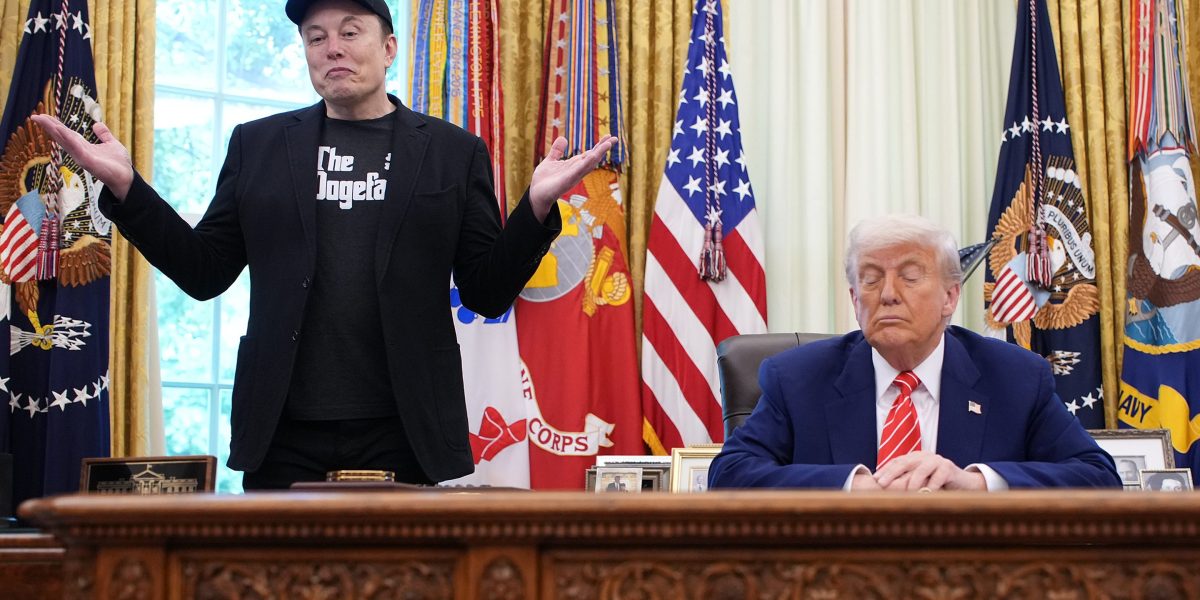
During the lead-up to the settlement, Musk had served as a special government employee on behalf of DOGE and had contributed millions to President Trump's election campaign.
Musk’s counsel told the judge that the SEC’s lawyers had not been “fully read in,” at the time, a detail Sooknanan noted when questioning the propriety of the settlement.
Market Implications and the SpaceX IPO Context
The settlement arrives as Musk's financial empire reaches new heights. SpaceX went public last month in the largest-ever IPO at a nearly $2 trillion valuation.

Sooknanan stated that the court is not a "rubber stamp" or an "ombudsman," but can only evaluate the judgement as to whether it was so unreasonable it would make a mockery of the court. Ultimately, she concluded that whether the SEC did enough to hold Musk accountable is a matter "for our citizenry to decide at the ballot box."