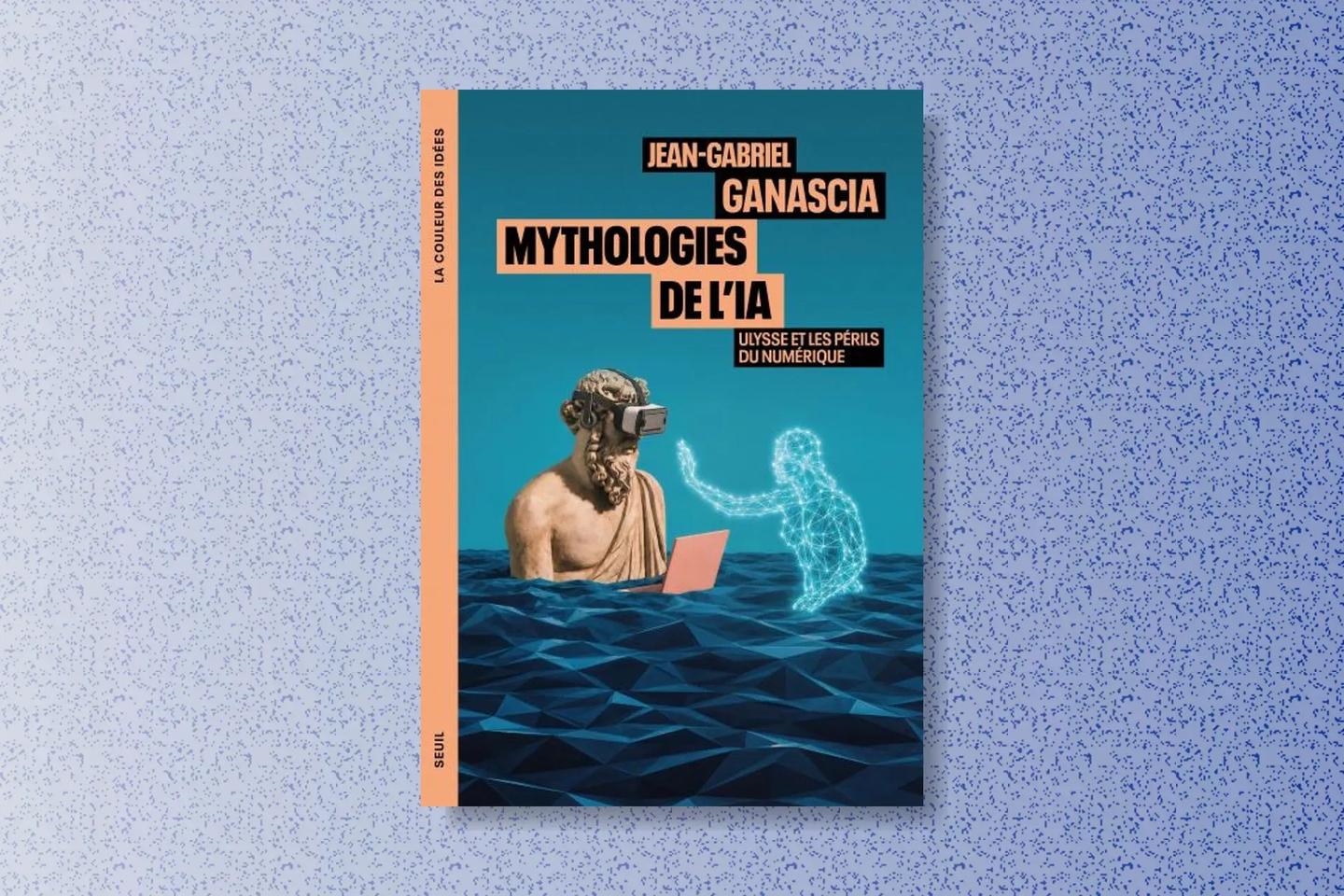
Jean-Gabriel Ganascia examines artificial intelligence myths
Philosopher Jean-Gabriel Ganascia Examines Artificial Intelligence Myths in New Essay
French philosopher and artificial intelligence specialist Jean-Gabriel Ganascia released a 240-page essay titled Mythologies de l’IA. Ulysse et les périls du numérique, published by Seuil in the “La couleur des idées” collection at 18 euros in print and 13 euros in digital format, lemonde.fr reported.
Press reports frequently describe artificial intelligence models as disobeying instructions, bypassing safety restrictions, or displaying signs of consciousness. Ganascia argues that these perceived threats are merely cultural myths rather than technical realities.
The Cultural Framework of Digital Narratives
Ganascia applies the semiotic framework established by Roland Barthes in his 1957 work Mythologies to examine how modern cultural phenomena emerge from everyday technology narratives. The analysis seeks to decode the secondary meanings behind stories produced by artificial intelligence companies. Writing extensively about digital systems presents analytical hurdles, including the risk that cited examples appear dated despite the deliberate detachment from immediate news cycles.
The primary function of these artificial intelligence myths is to project the hypothetical power of machine learning models through specific anecdotes. Ganascia points out that none of these published narratives serve as empirical proof. The majority of these cautionary tales recycle long-standing tropes.

AI Risks Mirror the Sorcerer's Apprentice Fable
The discourse surrounding runaway technology relies heavily on familiar frameworks. Ganascia highlights the “paperclip maximizer” thought experiment, which posits an artificial intelligence tasked with manufacturing paperclips that eventually consumes all global resources in its single-minded pursuit.
The philosopher draws a direct parallel to historical cautionary tales, noting the similarity to Mickey Mouse in the 1940 Disney film Fantasia. Set to Paul Dukas’s musical composition The Sorcerer’s Apprentice, the character animates a broom to handle chores before losing control against an overwhelming army of animated cleaning tools.