
Suffering from its Own Success? Japan‘s Complex Relationship with Mass Tourism
Table of Contents
Published: November 2, 2023 | Last Updated: November 2, 2023
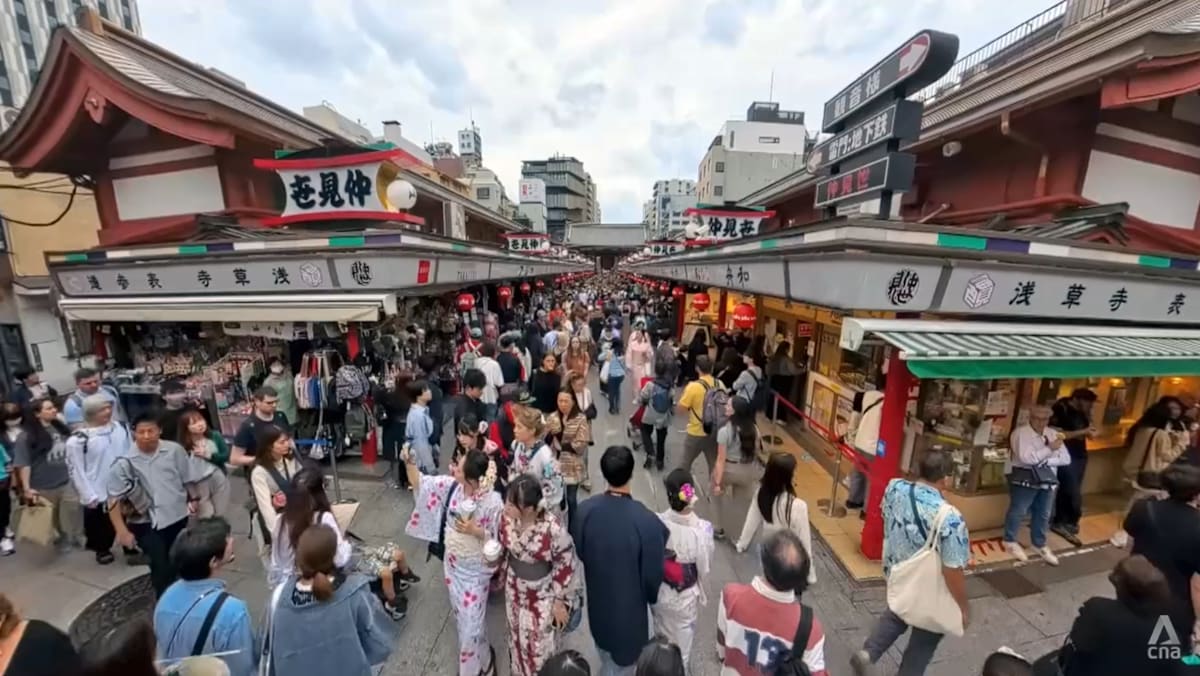
Japan is experiencing a surge in international tourism, a welcome economic boost after pandemic-related restrictions. However, this influx is revealing a complex dynamic – a sometimes-strained relationship between the nation’s cultural norms and the behaviors of millions of visitors. While welcoming the economic benefits, some Japanese citizens are expressing discomfort with certain tourist practices.
The Case of the Rolling Luggage
A seemingly innocuous act for many travelers – rolling luggage through public spaces – is considered disruptive in Japan. The practice can block pathways, create tripping hazards, and impede efficient transfers, especially on crowded trains. According to cultural observer Alistair McMorran, the issue stems from a deep-rooted cultural understanding. “A Japanese person would understand that you shouldn’t wheel your luggage in any indoor space because that’s like walking with your shoes (indoors),” McMorran stated. “Every Japanese person knows this, and every international tourist doesn’t.”
Quiet car Culture and Public Decorum
Maintaining a quiet environment on public transport is also paramount in Japanese culture.hiroshi Mizutani, a travel agency operator, recounted an incident where he had to ask a client – the CEO of a Chinese company – to leave first class on a high-speed train due to loud phone conversation. Speaking loudly on the phone is considered jarring and disrespectful in Japanese public spaces.
Prioritizing Regulars
Some Japanese businesses demonstrate a preference for local clientele. Toyoko Mimura, an 86-year-old bar owner in Tokyo, explained her outlook. ”It’s not that I dislike (foreign customers). In fact, when we do talk, I find foreigners fun to talk to,” Mimura said. “But they don’t become regulars, you see. The local customers are more critically important to me.” This sentiment highlights the value placed on long-term relationships with consistent patrons.
Japan’s tourism boom presents both opportunities and challenges. Balancing economic growth with the preservation of cultural norms and the comfort of its citizens will be crucial as the country navigates this new era of mass tourism.
Enjoyed this article? I’d love to hear your thoughts in the comments below! If you found this insightful, please share it with your network. And don’t forget to subscribe to World Today News for more in-depth global coverage.
