
Japan Faces Tsunami Threat, Evacuations Underway at Fukushima
Nuclear Plant Staff Moved Amid Earthquake Warnings Following Pacific Quake
Workers at Japan’s Fukushima nuclear facility were evacuated Wednesday as tsunami warnings swept across the nation. The alert follows a powerful earthquake off Russia’s far eastern coast, stirring fresh anxieties for a region still grappling with the aftermath of the 2011 nuclear disaster.
Fukushima Plant Operations Unaffected by Evacuation
The plant’s operator confirmed that all 4,000 personnel were safely evacuated, reporting no operational irregularities. The incident serves as a stark reminder of the triple disaster in 2011, when a magnitude 9.0 earthquake and subsequent tsunami devastated the area, leading to a catastrophic meltdown at the Fukushima Daiichi plant.
Legacy of the 2011 Disaster
The 2011 earthquake and tsunami claimed over 18,000 lives and crippled the Fukushima plant. The tsunami disabled crucial cooling systems, resulting in meltdowns in three reactors. Significant quantities of hazardous material remain on-site, presenting ongoing cleanup challenges more than a decade later.
Monumental Decommissioning Task
The complex process of decommissioning the Fukushima plant involves the removal of approximately 880 metric tons of highly radioactive debris, including melted nuclear fuel and reactor components. This monumental undertaking is projected to take decades, requiring tens of thousands of workers and an estimated cost of around $145 billion USD.
Recent reports indicate that the full-scale removal of melted fuel debris has been postponed, potentially until 2037 or later, a setback to the government’s goal of completing decommissioning by 2051. This timeline faces skepticism from experts like Professor **Shunji Matsuoka** of Waseda University, who questions the feasibility of removing all debris within the current projections.
Wastewater Discharge Continues Amidst Controversy
The plant continues to generate vast amounts of contaminated water, used to cool the remaining fuel rods. This water, stored in over a thousand tanks, is being progressively released into the ocean after treatment. Despite assurances from UN atomic regulators regarding negligible environmental impact, the plan has drawn significant criticism and controversy.
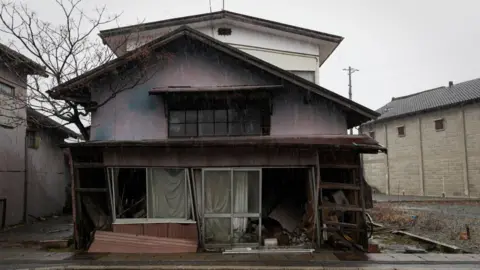
Japan’s Shifting Stance on Nuclear Power
Following the 2011 disaster, Japan initially moved away from nuclear energy. However, the government is now reconsidering its nuclear policy, citing the need to meet escalating energy demands for sectors like AI and semiconductors. Utility company Kansai Electric Power is even exploring the construction of a new reactor, a proposal previously suspended.
Wednesday’s tsunami alert is expected to intensify local opposition and concerns regarding nuclear power’s safety. Tsunami waves have reportedly reached Japan’s coastlines, including Fukushima, with warnings of waves up to 3 meters high, prompting widespread evacuation orders.
Japan’s Seismic Vulnerability
Situated on the volatile Ring of Fire, Japan experiences around 1,500 earthquakes annually. While the nation is renowned for its stringent earthquake preparedness, including drills from primary school and resilient infrastructure, the threat of a “big one”—a catastrophic, once-in-a-century earthquake—remains a persistent fear. Experts estimate a 70% to 80% chance of a magnitude 8 or 9 quake striking along the Nankai trough within the next three decades, potentially triggering massive tsunamis.
