
Anime Ascendant: Japanese Cartoons Captivate Global Audiences
More than half of all Netflix subscribers are tuning in to Japanese animation, according to the streaming giant, representing a broad demographic of roughly 300 million viewers. What’s behind this surge in anime’s popularity?
Anime’s Billion-Dollar Pop Culture Impact
From demon slayers to swashbuckling pirates, Japanese anime has firmly established itself as a worldwide cultural phenomenon. Merchandising of popular series generates billions through the sales of items such as t-shirts, playing cards, and pajamas.
Interestingly, anime’s appeal transcends age. Statistics indicate that the average anime fan is around 25 years old, suggesting the culture’s broad reach.
What Exactly is Anime?
The term “anime” is derived from the English word “animation,” and it refers to animated films produced in Japan. The industry has produced well over 10,000 series and 1,500 films, encompassing over 40 recognized subgenres, like mecha, slice-of-life, and psychological dramas.
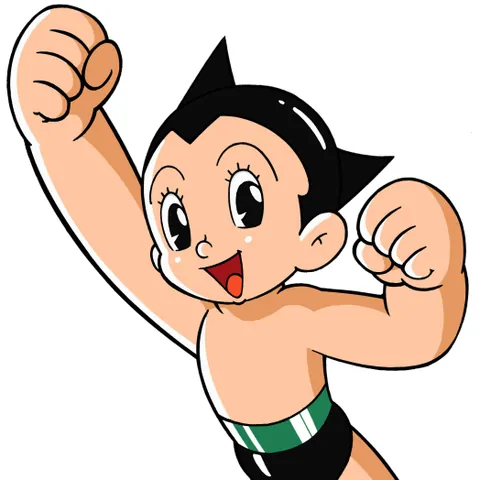
Often based on Japanese comics known as “mangas,” the first anime emerged in the early 20th century. The iconic TV series “Astro Boy” by Osamu Tezuka, which debuted in 1963, is considered the first popular anime. Anime is distinguished by a distinct visual style that includes large eyes, small noses, long legs and colorful hair.
Borderless Storytelling
Several factors drive anime’s rising popularity, with relatability playing a key role. According to anime expert Malte Frey, “the incredible variety of genres and topics address a large audience.”
Frey, who researches the topic at the Münster art academy, also notes that “anime can have stateless quality…anime can allow anime starting points for the whole world.”

During the 1970s and 80s, shows like “Captain Future,” “Heidi,” and “Mila Superstar” gained popularity on European television. However, Frey laments that, “Unfortunately, anime is often only perceived as a pop culture…I am used to arguing that anime can and is also a lot more.”
Anime’s creative content isn’t limited, tackling topics like environmental issues, contract killers, and using music as a weapon. Through VHS, DVD, and file sharing, these narratives cultivated an enthusiastic niche audience. Now, streaming platforms provide mass accessibility.
Must-See Anime Series
Here are some examples of popular anime:
- Attack on Titan: Humans hide behind walls to protect themselves from human-eating titans, while a young hunter seeks revenge and uncovers dark secrets.
- Naruto: An outsider ninja named Naruto Uzumaki strives for recognition while navigating friendships and inner conflicts.
- One Piece: Monkey D. Luffy, a young pirate, explores dangerous seas with his crew in search of treasure and freedom.
- The Apothecary Diaries: Set in ancient China, a young pharmacist solves medical puzzles and political intrigues within the imperial court.
- The Tatami Galaxy: A student experiences different versions of his college life, reflecting on choices and the pursuit of perfection.
- Death Note: A brilliant student finds a notebook that allows him to kill by writing names, leading to a conflict with an equally intelligent investigator.
- Neon Genesis Evangelion: Young pilots combat mysterious “angels” in mecha robots while grappling with trauma, identity, and the meaning of existence.
- Fullmetal Alchemist: Brotherhood: Two brothers use alchemy to try to revive their mother, but their journey leads them to moral questions about humanity, power and sacrifice.
Beyond the Mainstream
From a bread-baking anime (“Yakitaten!! Japan”) to an alternate world with tank-driving girls (“Girls und Panzer”) and an orphanage breeding humans for meat (“The Promised Neverland”), anime explores unusual concepts.
Though not every story succeeds, the courage to innovate is evident. Malte Frey notes that “many anime deals with very philosophical questions…What does humanity mean?”
Hollywood has also drawn inspiration from anime. Frey points out, “Many Hollywood films are actually inspired by Animes…‹Black Swan›, ‹The Matrix›, ‹Inception› – to name just a few.”
Even Disney’s “The Lion King” shares similarities with a 1960s anime series called “Kimba.”
Japanese animation is now a significant part of global entertainment. Crunchyroll, a streaming service dedicated to anime, reported over 13 million subscribers as of earlier this year, demonstrating the genre’s continued growth (Statista 2024).
With widespread access through streaming platforms and an ever-expanding range of themes, anime’s popularity appears poised to endure.
