
Candlestick Signals Flash as Traders Increasingly Rely on Centuries-Old Japanese Technique
NEW YORK – A centuries-old method of charting price movements, Japanese candlestick patterns, has become a cornerstone of modern technical analysis worldwide. Originally used by Japanese rice traders to track market sentiment, these visual tools are now employed by investors globally to identify potential trading opportunities.
The Structure of a Candlestick
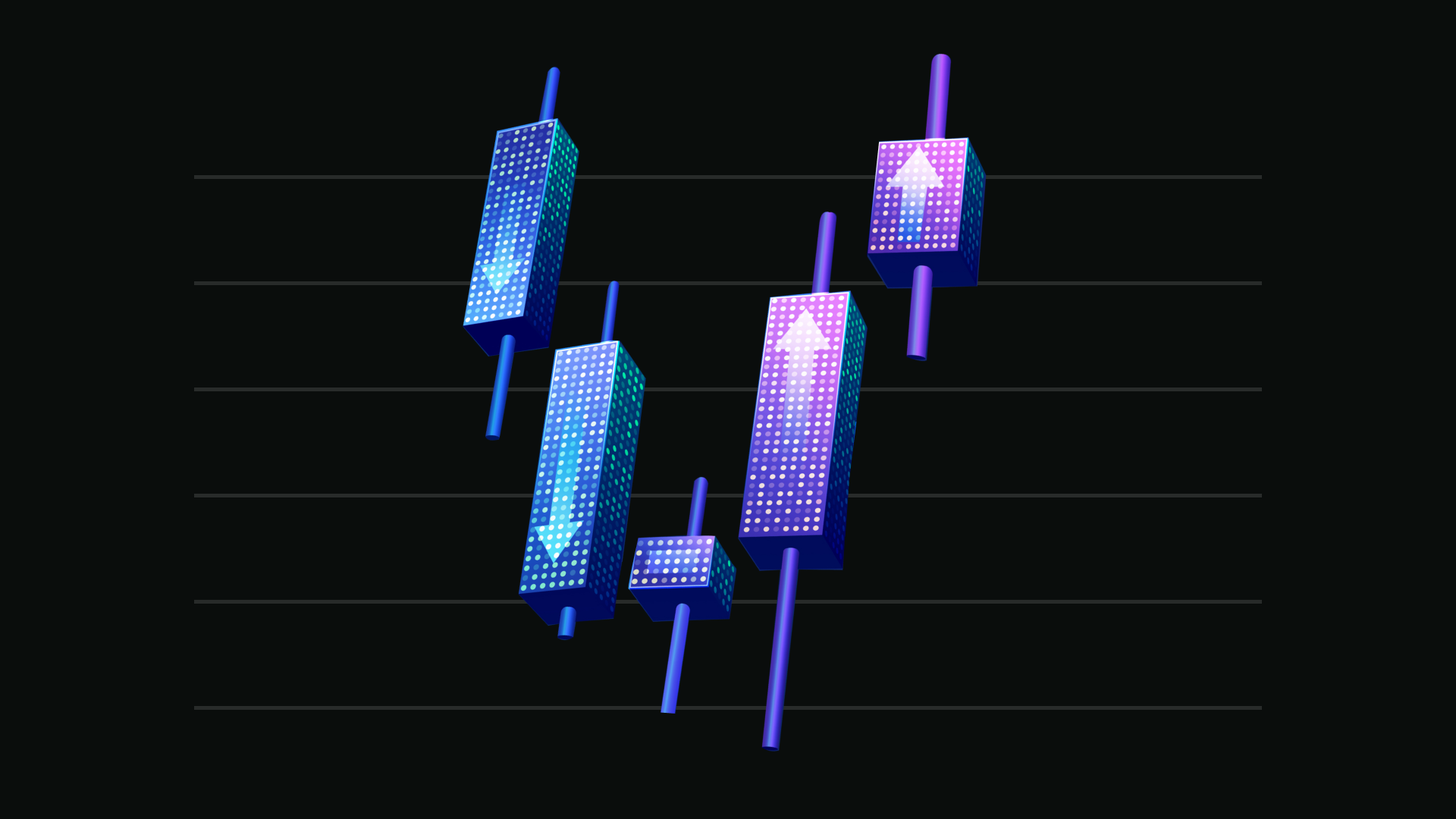
A candlestick visually represents the price action of an asset over a specific time period. Each candlestick comprises three key elements:
* Body: Illustrates the difference between the opening and closing price during the period.
* Shadows: Depict the highest and lowest prices reached during the same period.
* Bullish Candle: Formed when the closing price exceeds the opening price, indicating buyer dominance during the session.
* Bearish Candle: Formed when the closing price falls below the opening price, signaling seller control of the market.
The Three Main Types of Candlestick Patterns
Candlestick patterns are broadly categorized into single, double, and more complex formations.Here are some key examples:
1. Single Candlestick Patterns
* Shooting Star: A bearish reversal pattern appearing at the end of an uptrend. It features a small body and a long upper shadow, indicating initial buying pressure followed by a strong sell-off. The upper wick frequently enough marks the highest point of the rally.
* Inverted hammer: Similar in appearance to the Shooting Star, but found at the bottom of a downtrend.It suggests weakening bearish momentum and the emergence of buyer strength, with the candle closing above the opening price, hinting at a potential upward reversal.
* Doji: A pattern characterized by nearly identical opening and closing prices, resulting in a minimal body – essentially a thin line. The Doji reflects indecision in the market, a balance between buying and selling pressure as prices fluctuate but ultimately settle near the opening level.
2. Double Candlestick Patterns
* Bullish Engulfing: Typically appearing after a downtrend or near support levels, this pattern consists of a small bearish candle followed by a larger bullish candle that fully “engulfs” the previous one. This signifies strong buyer momentum, with the second candle’s close considerably above the first candle’s range. The lower shadow of the bullish candle frequently enough marks the final low of the downtrend.
* Bearish Engulfing: The inverse of the bullish pattern, appearing at the end of an uptrend or near resistance. A small bullish candle is followed by a larger bearish candle that engulfs it entirely, indicating waning buyer strength and increasing selling pressure, suggesting a potential downward trend reversal. The upper shadow of the bearish candle often marks the peak of the uptrend.
