Japan to Launch $10 Billion Energy Support Fund for Asian Nations
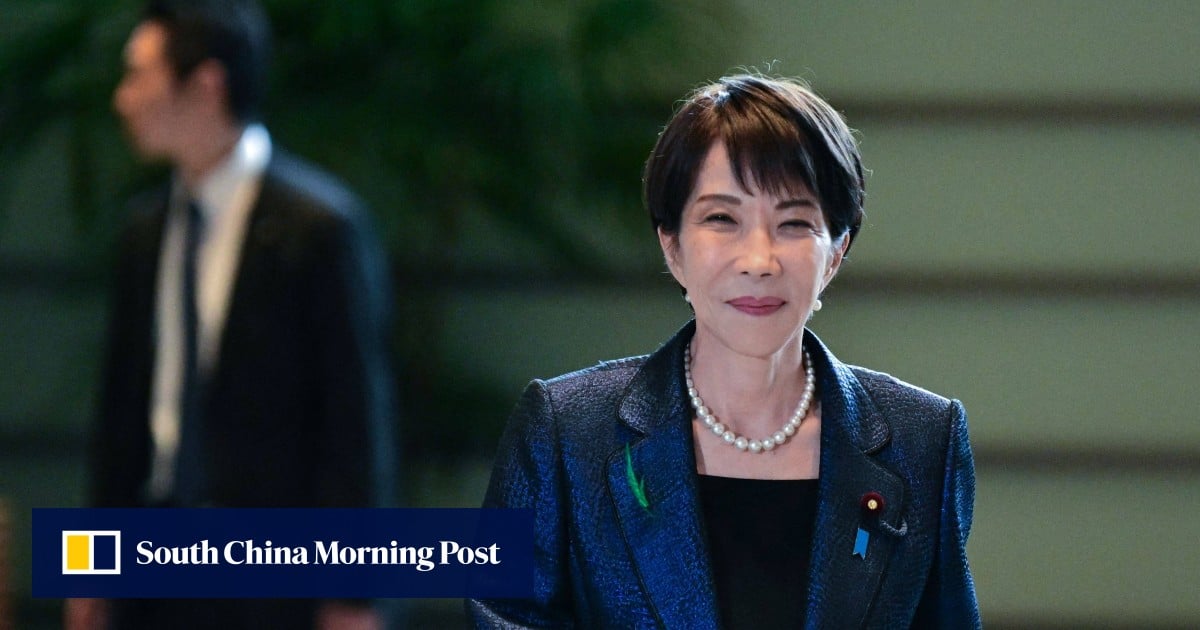
Japan is providing US$10 billion in financial aid to South-east Asian nations to combat surging crude oil prices driven by conflict in the Middle East. Announced by Prime Minister Sanae Takaichi on April 15, 2026, the initiative aims to secure regional energy supplies and protect critical Japanese supply chains.
What we have is not a gesture of simple altruism. It is a calculated move in a geopolitical landscape where economic survival is inextricably linked to regional stability. The war in the Middle East, specifically involving Iran, has sent shockwaves through global energy markets, leaving South-east Asian economies vulnerable to price spikes that threaten to derail industrial output.
For Japan, the risk is immediate, and tangible. Prime Minister Sanae Takaichi was blunt during a virtual meeting with regional leaders on Wednesday, noting that Japan’s own economic health depends on the stability of its neighbors. Specifically, the procurement of essential medical supplies, such as surgery gloves, relies on seamless Asian supply chains. If fuel shortages paralyze the region, the knock-on effect hits Tokyo’s hospitals and factories.
When the gears of regional trade grind to a halt, businesses cannot simply wait for markets to stabilize. Many are now turning to global logistics consultants to redesign supply routes and mitigate the risks of energy-induced shutdowns.
The Financial Architecture of the Support Package
The US$10 billion framework will not be delivered as a direct cash grant but will be channeled through state-backed financial institutions. The primary engines for this operation are the Japan Bank for International Cooperation (JBIC) and Nippon Export and Investment Insurance.
JBIC operates as a policy-based financial institution, filling the gaps where private sector banks may hesitate due to high risk. Its mission is four-fold: securing resources critical to Japan, improving the competitiveness of Japanese industry, preserving the global environment, and preventing disruptions to the international financial order.
The current crisis fits squarely into that final mandate. By providing the capital necessary for South-east Asian nations to procure oil and bolster their strategic stockpiles, Japan is effectively insuring its own economic periphery.

“Fuel shortages and supply-chain disruptions in Asia would hinder the procurement of these medical supplies from Asia to Japan, which would have a significant negative impact on (our country’s) economy and society.” — Prime Minister Sanae Takaichi
This interdependence was echoed by Singapore Prime Minister Lawrence Wong, who highlighted the inherent vulnerability of the region. He noted that because Asia relies so heavily on imported energy, no single nation can secure its needs in isolation.
Navigating these complex international credit facilities requires precision. For corporations attempting to leverage these shifts in regional finance, engaging strategic financial advisors has become a necessity to manage currency volatility and credit risk.
A Pattern of Strategic Energy Diplomacy
Japan’s current intervention is part of a long-term strategy of energy diplomacy. JBIC has a deep history of securing oil supplies through targeted financing. For instance, in the United Arab Emirates, JBIC has provided extensive loans to the Abu Dhabi National Oil Company (ADNOC) to ensure a stable crude oil supply, with accumulated co-financing exceeding US$18 billion. This includes critical developments in the Satah, Umm Al-Dalkh, Upper Zakum, and Lower Zakum oil fields.
However, the strategy is evolving. While securing crude remains the priority during wartime, Japan is simultaneously pushing for a transition toward energy efficiency to reduce long-term dependence on volatile regions.
This shift is evident in JBIC’s operations in Türkiye. As of January 31, 2026, JBIC has maintained “GREEN untied two-step loans” to the Türkiye Kalkınma ve Yatırım Bankası A.Ş. (TKYB) and TSKB. The facility for TKYB, totaling USD 200 million, is specifically designed to finance renewable energy and energy efficiency projects. With an unapproved amount of USD 90 million still available, these loans target projects that prevent global warming and are classified under JBIC Environmental Guidelines as Category B or C.
As nations transition from emergency oil procurement to sustainable energy, the demand for certified environmental consultants is surging to ensure these projects meet the strict eligibility criteria required for Japanese funding.
The Macroeconomic Stakes
The timing of this announcement is critical. Japan has already tapped its own strategic oil reserves in two separate tranches since the outbreak of the Iran war. However, Tokyo has made it clear that these reserves are reserved for domestic refiners and are not available for export to foreign nations.
The US$10 billion package is the alternative—a financial bridge rather than a physical shipment of oil. The goal is to prevent a regional economic collapse that would trigger a deeper recession across the Asia-Pacific.
| Mechanism | Objective | Primary Institution |
|---|---|---|
| Financial Support Framework | Oil procurement & stockpile bolstering | JBIC / Nippon Export and Investment Insurance |
| Green Untied Loans | Renewable energy & efficiency (e.g., Türkiye) | JBIC / TKYB / TSKB |
| Strategic Reserves | Domestic refinery stability | Japanese Government |
The success of this initiative depends on how quickly the funds can be deployed. The “untied” nature of some of JBIC’s loans—meaning they are not strictly contingent on the purchase of Japanese goods—suggests a level of flexibility intended to provide immediate relief to the borrowing nations.
“That is why Singapore values the mutual support and assurance from trusted partners – including Australia, Japan, and all our partners in Asean.” — Prime Minister Lawrence Wong
The current volatility serves as a stark reminder that the “just-in-time” supply chain model is fragile when faced with geopolitical warfare. The reliance on a few key corridors for energy and medical supplies creates a single point of failure for the entire regional economy.
As the Middle East remains unstable, the ability to pivot rapidly—both financially and logistically—will define which economies survive the shock. For those caught in the crossfire of these disruptions, finding verified professionals who understand the intersection of international law, energy finance, and global logistics is no longer optional; it is a matter of operational survival. The World Today News Directory remains the primary resource for connecting distressed enterprises with the experts capable of navigating this new, fragmented global order.