
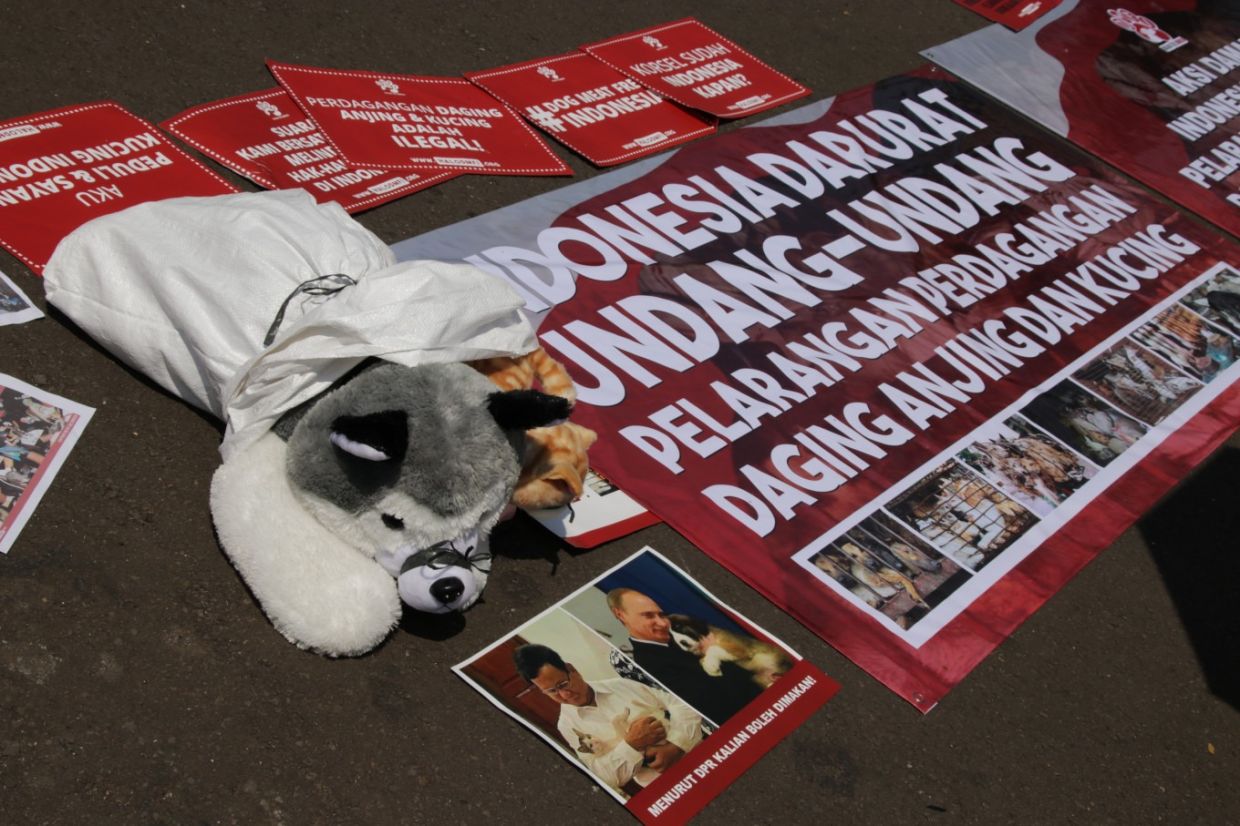
Jakarta Moves to Ban Dog and Cat Meat Trade
Jakarta is preparing to ban the trade of dog and cat meat within the city limits, a decision driven by concerns over rabies risks and animal welfare. The proposed ban, announced by Jakarta Governor Pramono Anung earlier this week, follows a report from the animal rights coalition Dog Meat Free Indonesia (DMFI) estimating that approximately 9,000 dogs are slaughtered for consumption in Jakarta each month.
Governor Anung stated, “Dog meat is not for consumption in Jakarta,” and has instructed City Hall to draft the decree, with an expected completion timeframe of one month. the initiative aims to bolster Jakarta’s existing anti-rabies campaign, which has successfully maintained the city’s rabies-free status as officially recognized by the Health Ministry through widespread vaccination programs.
Currently, indonesian law does not classify dogs and cats as livestock, nor does it explicitly prohibit their trade. This has allowed the practice of dog and cat meat consumption to persist, particularly in areas where it is considered a cultural tradition or an affordable protein source. Though, animal welfare advocates have consistently criticized the industry due to the documented cruelty involved in the process.
DMFI’s national coordinator, Karin Franken, highlighted the suffering endured by animals transported to Jakarta, primarily from West Java and Bali, frequently enough involving beatings before slaughter. She also pointed to the role of uncontrolled dog trading in potentially spreading rabies, as many of these animals are stray and unvaccinated.
The trade primarily supplies conventional Batak restaurants, known as Lapo, with dishes like saksang, a dog meat preparation cooked with coconut and spices. Two Jakarta slaughterhouses, located in Cibubur and Cawang, are identified as key suppliers.
While welcomed by animal rights groups and supported by City council member Hardiyanto Kenneth who cited alignment with existing food safety and animal health laws (Law no. 18/2012 and Law no. 41/2014 respectively), the proposed ban faces opposition from some business owners. A Lapo owner in Cawang, speaking anonymously, expressed concern that the ban would threaten their livelihood and cultural practices, arguing that the government should focus on controlling stray dog populations instead.
Veterinarians emphasize that the primary rabies risk associated with dog meat isn’t from consumption itself, but from potential exposure during the butchering process through bites, scratches, or contact with infected saliva. Muhammad Munawaroh, chairman of the Indonesian Veterinary Medical Association (PDHI), supports the ban, stating that “uncontrolled dog trading increases the likelihood of rabies outbreaks,” particularly given the prevalence of slaughtering unvaccinated stray dogs. Rabies symptoms in humans include fever, headache, and progressing to hydrophobia and photophobia before ultimately proving fatal.
Kenneth further emphasized the importance of upholding ethical standards within Jakarta’s diverse society, ensuring safety, hygiene, and respect for all living creatures.
