Israel’s Military Escalation in Lebanon: Ceasefire Claims, Hezbollah Tensions & Global Reactions
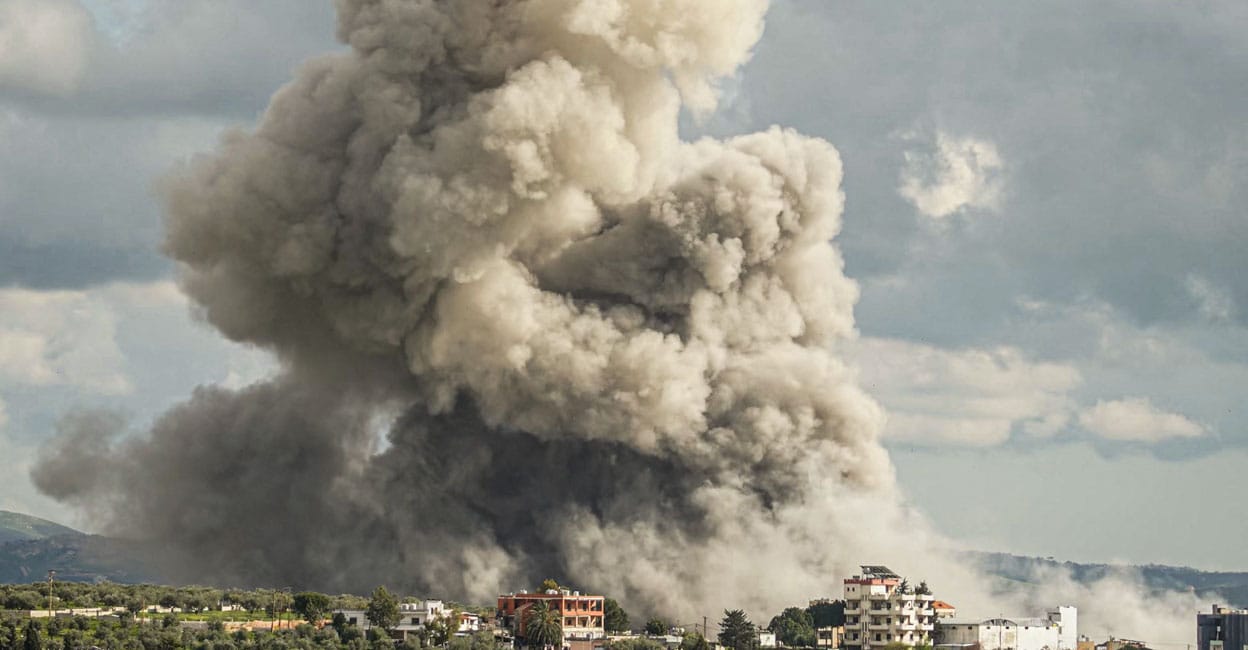
Israel and Hezbollah have announced a partial ceasefire, though the Lebanese government maintains that the conflict remains unresolved. The development follows intense military engagements, including Israel’s capture of Beaufort Castle, as regional tensions persist amid ongoing threats and retaliatory posturing between Israel and Iranian-backed entities in southern Lebanon.
The announcement of a partial ceasefire serves as a fragile inflection point in a theater of war that has defied diplomatic resolution for months. While the cessation of hostilities offers a temporary reprieve, the underlying strategic friction between Tel Aviv and the Hezbollah-led resistance bloc remains largely unaddressed. For global markets and multinational firms, this “pause” is less a resolution and more a volatile transition into a new phase of high-stakes geopolitical risk management.
The Geography of Conflict and the Erosion of Stability
The recent intensification of the conflict, marked by the Israeli military’s expansion into southern Lebanon and the seizure of the strategically significant Beaufort Castle, underscores the shifting tactical realities on the ground. Prime Minister Benjamin Netanyahu has framed these actions as a “dramatic turning point,” signaling an aggressive posture that complicates traditional ceasefire negotiations. Conversely, the reaction from the Lebanese government and the persistent threats emanating from Iranian-aligned actors suggest that the military objective of securing northern Israel remains a primary driver of regional instability.

This represents not merely a border dispute; it is a fundamental challenge to the security architecture of the Middle East. As the conflict oscillates between localized ground operations and broader regional threats, the risk of supply chain disruption—particularly for energy and maritime logistics—has moved from a hypothetical concern to a baseline operational reality for global corporations.
The current tactical landscape reveals that military dominance does not equate to long-term regional stability. Investors and multinational stakeholders must recognize that the shift from total war to partial ceasefire creates a ‘grey zone’ of risk, where the absence of full-scale combat is often filled by asymmetric threats and cyber-physical instability.
Macro-Economic Ripple Effects: Navigating the ‘Grey Zone’
For the corporate sector, the instability in Lebanon and the broader Levant creates immediate logistical bottlenecks. The redirection of trade routes, the heightened insurance premiums for regional transit, and the potential for sudden escalations require a robust approach to sovereign risk assessment. When a regional conflict transitions into a partial ceasefire, the business environment does not necessarily become safer; it becomes more unpredictable.
Multinational organizations operating in or near the Mediterranean theater are currently forced to navigate a complex web of shifting alliances and regulatory environments. As sanctions regimes fluctuate and the threat of state-sponsored cyber interference increases, firms are finding that traditional disaster recovery plans are insufficient. They are increasingly turning to global security intelligence firms to monitor real-time developments and ensure the continuity of their physical and digital operations.
The Institutional Response to Persistent Instability
The diplomatic failure to secure a comprehensive, long-term ceasefire speaks to the profound ideological divide between the involved parties. As the geopolitical landscape in the Middle East continues to fragment, international institutions are struggling to maintain influence over the combatants. This power vacuum necessitates that private entities take a more proactive stance in protecting their interests.

- Logistics Vulnerability: Maritime and land-based supply chains are at constant risk of sudden closure or seizure due to localized military movements.
- Regulatory Uncertainty: Rapidly changing sanctions and export controls, often applied in retaliation to regional flare-ups, require constant vigilance from international trade legal counsel.
- Digital Infrastructure: The integration of cyber-warfare into the conflict means that regional corporate networks are frequently targeted as collateral or strategic objectives.
The Strategic Imperative for Global Firms
As the situation remains fluid, the primary challenge for the international business community is to decouple their long-term growth strategies from the immediate, erratic shifts in the regional security environment. Relying on superficial ceasefires is a recipe for operational failure. Instead, successful market participants are investing in high-fidelity data streams and expert-led risk mitigation strategies that prioritize resilience over reactive adjustments.
The persistent state of “partial” conflict in Lebanon is a structural feature of the current global order, not an anomaly. As we move forward, the ability to operate across borders—while managing the legal and financial complexities imposed by regional instability—will define the winners of the next decade. Whether through navigating complex cross-border financial restructuring or securing physical assets in contested regions, the reliance on specialized, high-level expertise has never been more critical.
The chessboard is changing, and the pieces are moving faster than traditional diplomatic channels can track. For those tasked with protecting institutional integrity in an era of perpetual uncertainty, the resources found within the World Today News Directory provide the necessary bridge between geopolitical volatility and corporate stability. Connect with our vetted geopolitical advisory partners to ensure your firm remains ahead of the next shift in the global balance of power.