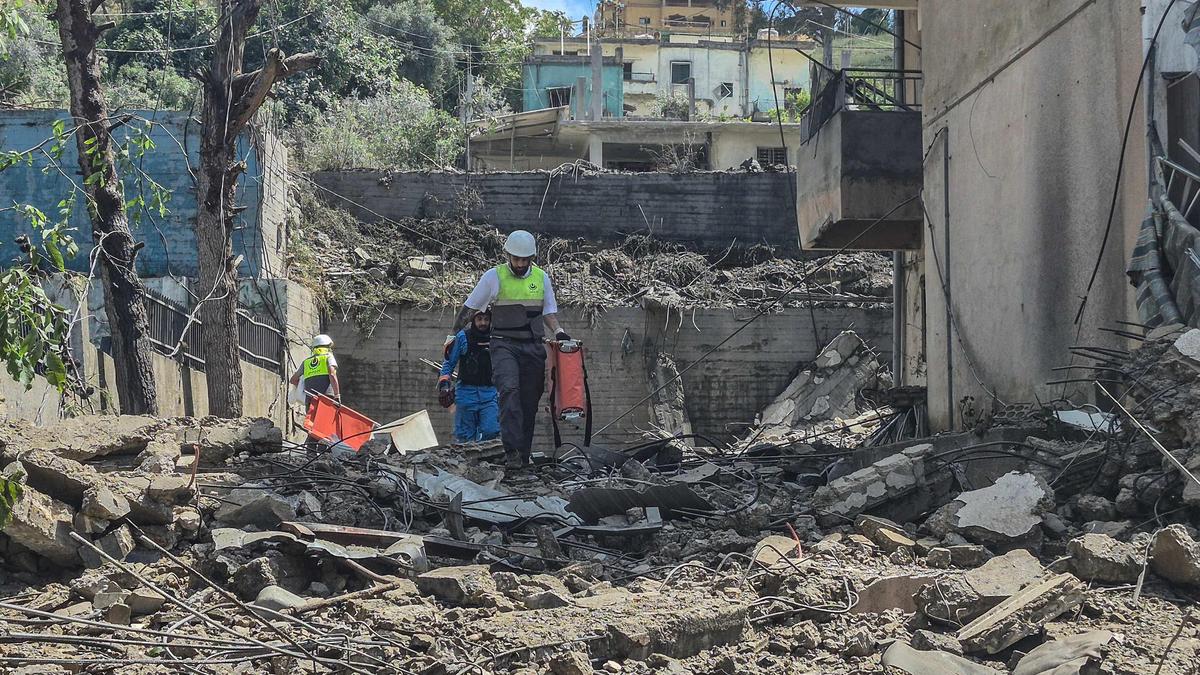
Israel Orders Evacuations in 10 Lebanese Villages Amid Hezbollah Strike Threats
As of May 26, 2026, Israel’s military ordered the immediate evacuation of residents from 10 villages in southern Lebanon—most near the Litani River—citing “expected strikes” against Hezbollah targets. The directive, issued Monday, expands a pattern of forced displacement that risks deepening regional instability. With U.S. Senator Marco Rubio warning the Hormuz Strait will “reopen one way or another,” this escalation tests Lebanon’s fragile infrastructure, Israel’s legal justifications for strikes, and the global supply chains dependent on the Strait’s stability.
The Problem: A Spiral of Displacement and Escalation
This isn’t the first time Israel has issued such orders. Since April 17, a U.S.-brokered ceasefire has held—tenuously—between Israel and Hezbollah. Yet the military’s latest directive, posted in Arabic by spokesman Avichay Adraee, signals a deliberate shift: targeting areas beyond Israel’s current zone of occupation, including villages north of the Litani River. The move mirrors tactics used in Gaza, where forced evacuations preceded large-scale military operations.
“These orders are not just about military strategy—they’re about control. By displacing civilians, Israel creates a buffer zone, but it also erodes Lebanon’s sovereignty and risks turning these villages into permanent no-go areas.”
Why This Matters Now
- Regional Infrastructure: Southern Lebanon’s villages rely on precarious water, electricity, and road networks. Evacuations disrupt local economies, particularly in Nabatieh district, where agriculture and compact businesses are already strained by the conflict.
- Legal and Diplomatic Fallout: Israel’s actions violate international law by targeting civilians without proportional military justification. The UN’s Office for the Coordination of Humanitarian Affairs (OCHA) has yet to comment, but legal experts warn this could strengthen Lebanon’s case for war crimes investigations.
- Global Supply Chains: The Hormuz Strait, through which 20% of the world’s oil passes, remains a flashpoint. Rubio’s statement—made amid reports of Iranian naval activity—suggests a potential confrontation could disrupt energy markets, sending shockwaves through industries from shipping to aviation.
Historical Context: A Pattern of Displacement
Israel’s forced evacuations in Lebanon are not new. In 2006, during the 34-day war with Hezbollah, Israel ordered the evacuation of villages near the border, leading to widespread displacement. The current orders echo those tactics but with a critical difference: this time, the strikes are targeting areas north of the Litani River, a de facto red line since the 2006 conflict.
| Year | Conflict Phase | Evacuation Scope | Outcome |
|---|---|---|---|
| 2006 | 34-day Israel-Hezbollah War | Villages south of Litani River | Temporary displacement; no permanent relocation |
| 2026 (April) | Current Ceasefire Tensions | 10+ villages, including north of Litani | Ongoing; risk of permanent depopulation |
Economic Impact on Lebanon’s South
Nabatieh district, where most of the evacuated villages are located, is Lebanon’s agricultural heartland. The displacement of farmers and laborers threatens:

- A $120 million annual crop sector (pre-conflict figures).
- Local markets dependent on cross-border trade with Syria, now further strained by Israeli strikes.
- Tourism infrastructure in nearby Tyre, which has seen a 30% drop in visitors since 2023.
“This is economic warfare by another name. By forcing people out, Israel doesn’t just weaken Hezbollah—it destroys the livelihoods of civilians who had nothing to do with the conflict.”
The Legal Gray Zone: Can Israel Justify Strikes?
Israel’s military claims the evacuations are for “safety,” but legal experts argue the orders themselves may violate international humanitarian law. Under the Geneva Conventions, forced displacement is prohibited unless absolutely necessary for military operations. The International Committee of the Red Cross (ICRC) has not yet issued a statement, but human rights organizations are gathering evidence.
Who Bears the Consequences?
- Displaced Civilians: Without access to shelter or aid, families risk becoming internally displaced persons (IDPs). Lebanon already hosts 1.5 million Syrian refugees—adding thousands more could collapse its already strained social services.
- Local Governments: Municipalities in Nabatieh lack resources to relocate or support displaced populations. The Lebanese government has not allocated emergency funding, leaving villages to fend for themselves.
- Global Markets: The Hormuz Strait’s stability is directly tied to this conflict. A disruption could trigger oil price spikes, affecting everything from energy traders to freight forwarders reliant on Gulf routes.
The Solution: Who Can Help?
The fallout from these evacuations demands immediate, coordinated responses. Here’s where professionals and organizations can step in:
- Humanitarian Aid: Nonprofits specializing in emergency relocation and international law are critical. Organizations like the ICRC or local NGOs can provide legal aid to displaced families navigating Israel’s orders.
- Legal Recourse: Families affected by forced displacement may seek compensation through human rights law firms experienced in war crimes litigation. The International Court of Justice could become involved if Lebanon escalates claims.
- Economic Recovery: Southern Lebanon’s farmers and businesses need agricultural advisors and microfinance lenders to rebuild after displacement. The World Bank’s post-conflict reconstruction programs could play a key role.
- Supply Chain Resilience: Companies with exposure to the Hormuz Strait should consult geopolitical risk analysts to diversify routes and hedge against disruptions.
The Bigger Picture: Hormuz Strait as the Next Flashpoint
Senator Rubio’s warning about the Hormuz Strait is a direct response to Iran’s recent naval maneuvers and Israel’s expanding strikes in Lebanon. The Strait’s chokepoint status makes it a potential battleground if tensions escalate. Historically, disruptions have led to:

- A 20% spike in oil prices during the 1988 Iran-Iraq War.
- Global shipping delays, costing $10 billion annually in lost trade.
- Military interventions, such as the 1987 U.S. Operation Earnest Will to protect tankers.
A Warning to Businesses and Governments
The current ceasefire is fragile. Israel’s evacuation orders are a calculated move to weaken Hezbollah—but they also risk dragging Lebanon deeper into the conflict. For businesses and governments, the message is clear:
“The next 30 days will determine whether this conflict stays regional or becomes a full-blown war. Companies with exposure to the Middle East must act now—diversify supply chains, secure legal counsel, and prepare for the worst.”
The Kicker: Who You Should Contact Now
The clock is ticking. If you’re a business navigating supply chain risks, a family displaced by these orders, or a legal professional seeking to challenge Israel’s actions, the time to act is now. The World Today News Directory connects you to:
- War crimes attorneys specializing in forced displacement cases.
- Humanitarian organizations providing emergency aid in Lebanon.
- Geopolitical risk consultants to safeguard your operations against Strait disruptions.
The question isn’t if this conflict will escalate—it’s how. And the answer lies in the professionals already prepared to help.