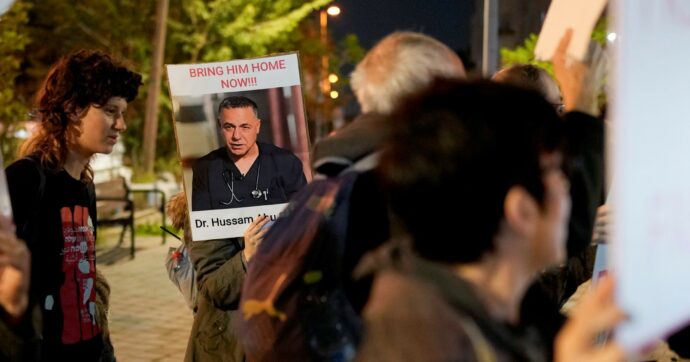
Israel Bans MK Ahmad Tibi From Visiting Detained Gaza Doctor Hussam Abu Safiya
Knesset Visit Blocked Under Security Directive
Palestinian physician Hussam Abu Safiya, director of the Kamal Adwan Hospital in the Gaza Strip, remains in Israeli detention while Israeli authorities enforce a ban preventing parliamentary visits, according to official statements and regional news coverage.
The Israel Prison Service rejected a formal visitation request filed by Dr. Ahmad Tibi, leader of the Ta’al (Arab Movement for Renewal) party, to meet with Abu Safiya. According to a statement issued by Tibi’s office and reported by regional media outlets, the denial follows the political line of Minister Ben-Gvir, which bars members of the Knesset from accessing detainees classified as “security prisoners”.
Clinical Detentions Stoke International Backlash
Tibi publicly criticized the restriction as a politically motivated measure.
- Palestinian pediatrician and hospital director Hussam Abu Safiya remains held in Israeli detention facilities as security prisoners under current administrative classifications.
- Israeli prison authorities blocked a visit by Knesset member Dr. Ahmad Tibi, citing policy directives from Minister Ben-Gvir.
- Medical organizations, including a collective of clinicians at the Policlinico di Bari, have issued urgent appeals demanding the release of detained healthcare personnel.
Global Appeals from Clinicians and Activists
Public pressure regarding the pediatrician’s safety has expanded internationally. In Italy, a group operating under the banner Sanitari per Gaza at the Policlinico di Bari issued an urgent public appeal calling for immediate diplomatic interventions to secure Abu Safiya’s release. The appeal emphasizes the necessity of safeguarding healthcare workers operating within active conflict zones, pointing to clinical vulnerabilities and the disruption of pediatric care networks in northern Gaza following the raid and closure of facilities like Kamal Adwan Hospital.

Similar demonstrations and solidarity actions have emerged across urban centers. Protests have occurred outside locations such as Downing Street in London, alongside coordinated public assemblies in cities including Budapest, where activists and community members have demanded transparent legal proceedings and immediate medical evaluations for detained practitioners.
Protocols for Medical Neutrality and Compliance
For healthcare institutions and medical professionals managing emergency preparedness, humanitarian crises require strict adherence to international protocols governing medical neutrality. Practitioners seeking guidance on clinical operations in high-risk environments can consult specialized resources via vetted medical networks or coordinate with global health security authorities for institutional compliance frameworks. Administrative teams requiring legal oversight in cross-border health logistics often retain healthcare compliance specialists to manage regulatory hurdles during international medical missions.
*Disclaimer: The information provided in this article is for educational and scientific communication purposes only and does not constitute medical advice. Always consult with a qualified healthcare provider regarding any medical condition, diagnosis, or treatment plan.*