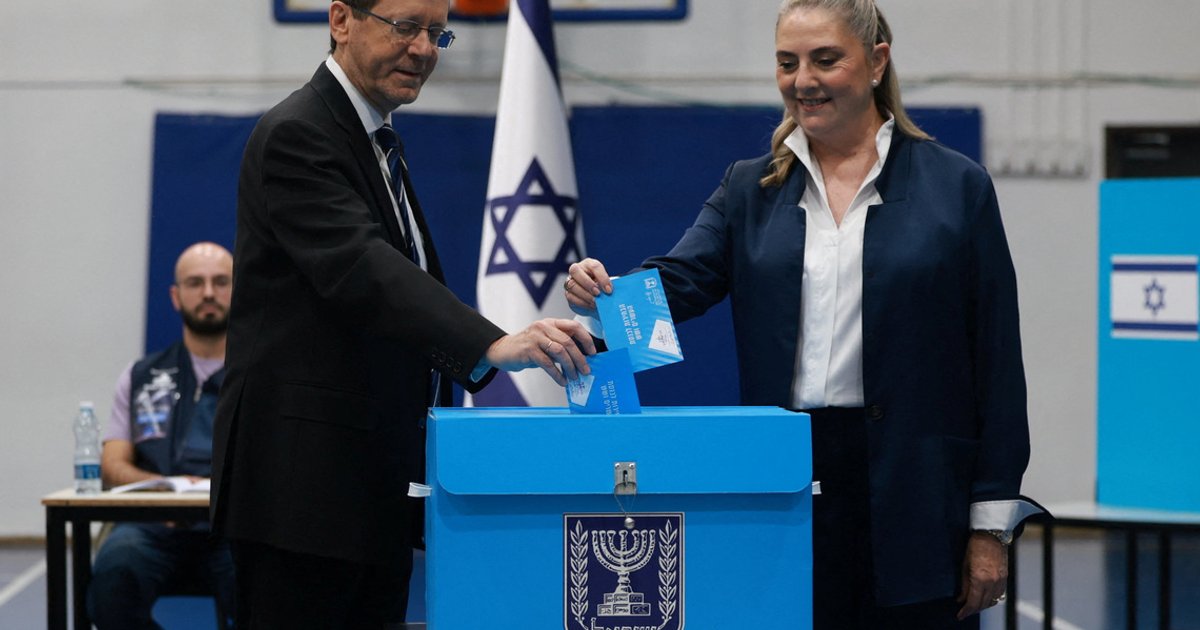
Isaac Herzog urges Israeli party leaders to avoid another election
Isaac Herzog launched a push for political dialogue on November 2, urging Israeli party leaders to avoid another election following an inconclusive parliamentary vote.
Seeking a path away from fresh elections
Following an October 27 election where Prime Minister Benjamin Netanyahu lost his governing majority but denied opponents a clear path to unseat him, the 66-year-old president faces the task of persuading bitter rivals to form a government, Reuters reported. Herzog stated that he hopes representatives will approach discussions with open minds and hearts to find creative solutions.
Three former advisors told Reuters that Herzog fears the nation is in genuine danger of unravelling from within due to ongoing political turmoil. Former advisor Eylon Levy stated that the president views the country as falling off the rails. Herzog has not yet announced whether he will grant the initial mandate to Netanyahu or rival politician Gadi Eisenkot.
Weighing unity against deep political division
Political analysts remain skeptical about the prospects of a broad coalition. Tel Aviv University political scientist Yael Shomer expressed doubt that either political side currently possesses the will to compromise. Meanwhile, Gideon Rahat of the Israel Democracy Institute suggested that Herzog might pursue a dual strategy of issuing a formal mandate while pushing behind the scenes for a unity government between Netanyahu and Eisenkot.
Herzog hails from Israel's center-left tradition, a political lineage that has largely receded as hawkish parties led by charismatic figures came to dominate the government. The first president to have been born inside Israel after its founding in 1948, Herzog is the son of former president Chaim Herzog, and brings a background as an intelligence officer, lawyer, and former Labour Party leader to the role.

Managing friction and mounting outside pressures
The presidency under Herzog has repeatedly intersected with intense national crises. After taking office in 2021, Herzog presided over Netanyahu’s return to power 18 months later alongside ultra-right factions. When Netanyahu pursued plans to curb the powers of the Supreme Court, sparking mass demonstrations, Herzog hosted compromise talks between the government and the opposition.
Subsequent conflicts involving Hamas, Lebanon, and Iran further compounded the domestic strain. Over the past year, United States President Donald Trump publicly pressured Herzog to pardon Netanyahu from longstanding corruption charges. While Herzog has resisted those calls, political experts suggest a resolution to the criminal case could re-emerge as a bargaining chip in negotiations for a unity government.