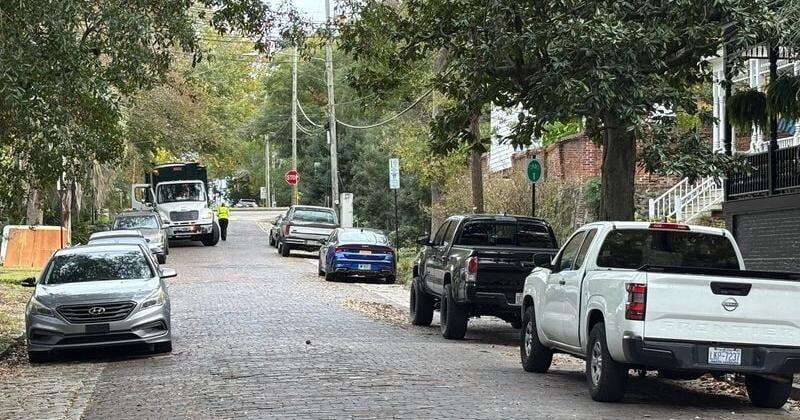
Is It Illegal to Park in Front of Someone’s House in Alabama? Law Explained
Parking on a public street in front of someone’s house is not illegal in Alabama, as streets are public rights of way. The law prohibits parking only in specific restricted areas.
Alabama law does not prevent someone from parking on a public street in front of a home, according to the Montgomery Advertiser. Streets are considered public rights of way, meaning anyone can legally park there unless local ordinances, signs, or other restrictions prohibit it.
When Parking Becomes Illegal
While parking in front of a neighbor’s house is not illegal, it can be if it blocks a driveway, obstructs traffic, or is left in a restricted parking area. Alabama Code 32-5A-137 prohibits drivers from parking within 15 feet of a fire hydrant, within 20 feet of a crosswalk, or directly in front of a driveway.
A vehicle left unattended for more than 48 hours may be considered abandoned under Alabama Department of Revenue Rule 810-5-75-.64, the Montgomery Advertiser reported. This rule applies to vehicles on public roads or private property without the owner’s permission. Residents should contact local authorities to report a vehicle that has been parked for days.

Other Parking Restrictions in Alabama
Alabama law also prohibits parking in several other areas to ensure public safety. Parking is not allowed on sidewalks, inside intersections, 30 feet from a traffic signal, 50 feet from a railroad crossing, on bridges, elevated structures or inside highway tunnels, or in locations where official signs forbid stopping.
Rules for how to park on streets are specific. On two-way streets, the right wheels must be within 18 inches of the curb to avoid obstructing traffic. On one-way streets, a driver can park on either side but must stay within 18 inches of the curb and face the direction of traffic. Angle parking is only permitted on roads wide enough and approved by the Department of Transportation.
Fines and Enforcement
Parking fines in Alabama typically start at $50 but can reach up to $250, depending on the violation and location. Each city sets its own rules, so penalties can vary. In some cases, a vehicle can be towed at the owner’s expense.