
Iran’s Political Landscape: From the Shah’s Fall to the Rise of Extremist Clerics
Israel warns that Iran’s new leadership is significantly more radical than the predecessors they replaced. This shift in Tehran’s power structure threatens to escalate regional volatility, destabilize energy corridors in the Strait of Hormuz and force a complete recalibration of Western security postures across the Middle East.
The geopolitical calculus has shifted. For years, the West operated under the assumption that the Iranian regime was a monolith of stagnant clerical rule. That illusion is dead. As of April 10, 2026, the intelligence coming out of Tel Aviv suggests a “hardline pivot”—a transition where the new guard is not merely maintaining the status quo but is actively seeking to accelerate the “export of the revolution” through more aggressive proxy warfare and a narrowed window for diplomatic engagement.
This is not a simple change of personnel. It is a strategic evolution. When a regime replaces “pragmatic” hardliners with “ideological” extremists, the risk of miscalculation skyrockets. For global markets, this translates to a permanent risk premium on Brent crude and a precarious environment for any multinational with assets in the Gulf.
The Doctrine of Escalation: Beyond the Shadow War
The transition within the Iranian leadership signals a departure from the “strategic patience” that defined previous eras. We are seeing a move toward a more overt confrontation with Israeli and American interests. This isn’t just about rhetoric; it’s about the logistical capacity to project power via the “Axis of Resistance.”

The relationship between Tehran and its proxies—Hezbollah in Lebanon, the Houthis in Yemen, and various militias in Iraq—is tightening. The new leadership views these entities not as bargaining chips for negotiations with the U.S. Department of State, but as primary instruments of state policy. By empowering the most extreme elements of these groups, Iran is effectively outsourcing its aggression to avoid direct conventional war while maintaining a stranglehold on regional transit.
“The danger is no longer just a nuclear breakout, but a ‘stability breakout.’ Tehran is now betting that the West’s appetite for another large-scale Middle Eastern conflict is low enough that they can push the boundaries of aggression without triggering a full-scale military response.” — Senior Fellow at the Council on Foreign Relations
For the corporate world, this instability creates a nightmare for insurance premiums and maritime logistics. Shipping companies are no longer looking at “temporary disruptions” but at a structural shift in the security of the seas. To mitigate these risks, global logistics firms are increasingly relying on specialized geopolitical risk consultants to map out alternative corridors and secure “war-risk” insurance for their fleets.
The Economic Paradox: Prosperity vs. Ideology
There is a fundamental tension in Tehran. While the leadership drifts further toward religious extremism, the Iranian populace—particularly the youth and the urban middle class—is driven by a desperate need for economic stability and prosperity. This creates a volatile internal pressure cooker.
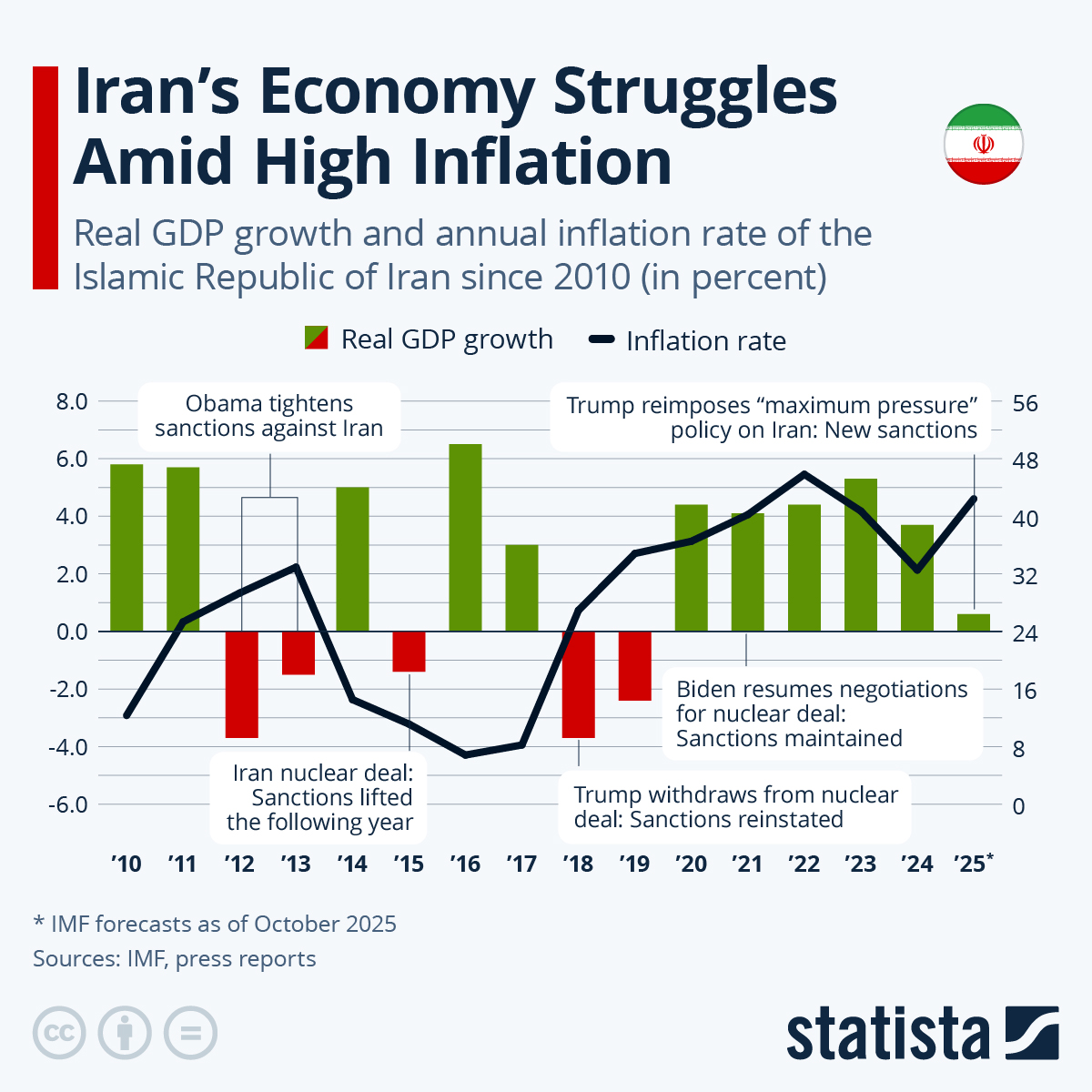
The regime’s response to this internal friction has been a double-down on ideological purity. By purging moderates and elevating extremists, the leadership is attempting to insulate itself from the democratic impulses of its people. However, this isolationism deepens the economic crisis. Sanctions remain a blunt but effective tool, yet the “extremist” shift makes the prospect of a new nuclear deal (JCPOA 2.0) almost impossible.
The macro-economic ripple effect is clear: Iran is becoming a “black hole” for Foreign Direct Investment (FDI). The only entities capable of operating in this environment are those with high risk tolerance or state-backed mandates. This has led to a surge in demand for international trade lawyers who specialize in sanctions navigation and “grey market” compliance to ensure that essential humanitarian trade continues without triggering secondary sanctions from the U.S. Treasury (OFAC).
The Strategic Chessboard: A Comparative Analysis of Risk
To understand the gravity of this shift, one must look at the operational changes in how Iran manages its regional influence compared to the previous administration.
| Metric | Previous Leadership (Pragmatic Hardliners) | New Leadership (Ideological Extremists) |
|---|---|---|
| Diplomatic Goal | Sanctions relief via negotiation | Regional hegemony via coercion |
| Proxy Management | Controlled escalation for leverage | Aggressive expansion of “Resistance” |
| Nuclear Posture | Threshold state (hedging) | Accelerated path to weaponization |
| Economic Focus | Diversification and survival | War economy and ideological purity |
This shift forces a realignment of the “Abraham Accords” framework. Saudi Arabia and the UAE, while maintaining a cautious diplomatic channel with Tehran, are rapidly accelerating their defense integrations with the West. The regional security architecture is moving from a series of bilateral agreements to a more formal, bloc-based defense system.
The Logistical Fallout and the Corporate Solution
When the leadership in Tehran becomes more extreme, the first casualty is predictability. Predictability is the bedrock of global trade. The current volatility in the Persian Gulf doesn’t just affect oil; it affects the global semiconductor supply chain and the transit of goods from Asia to Europe.
Multinational corporations are currently facing a “security gap.” Standard corporate security is insufficient for the threats posed by state-sponsored cyber-attacks or proxy-led disruptions. We are seeing a massive pivot toward global cybersecurity firms that can defend against Advanced Persistent Threats (APTs) originating from state-backed actors in the region. The digital battlefield is now just as critical as the physical one in the Strait of Hormuz.
the volatility of the Iranian Rial and the regime’s erratic economic policies have made traditional financial forecasting obsolete. Firms operating in the periphery of the Middle East are now onboarding cross-border financial advisors to hedge against currency collapses and sudden asset freezes.
“We are entering an era of ‘fragmented globalization.’ The Middle East is no longer a region to be ‘managed,’ but a region to be ‘fortified’ against.” — Analysis from Bloomberg Economics
The emergence of a more radical Iranian leadership is not a localized political event; it is a systemic shock to the global order. As the line between state policy and proxy aggression blurs, the “cost of doing business” in the East is rising. The chessboard has been reset, and the players are no longer playing for a stalemate—they are playing for dominance.
For the global executive, the lesson is clear: geopolitical risk is no longer a footnote in the annual report; it is the primary driver of the P&L. Navigating this new era requires more than just intelligence—it requires the right partners. Whether it is securing a supply chain against regional conflict or shielding digital assets from state-sponsored incursions, the World Today News Directory remains the definitive gateway to the legal, financial, and security experts capable of turning geopolitical chaos into operational resilience.