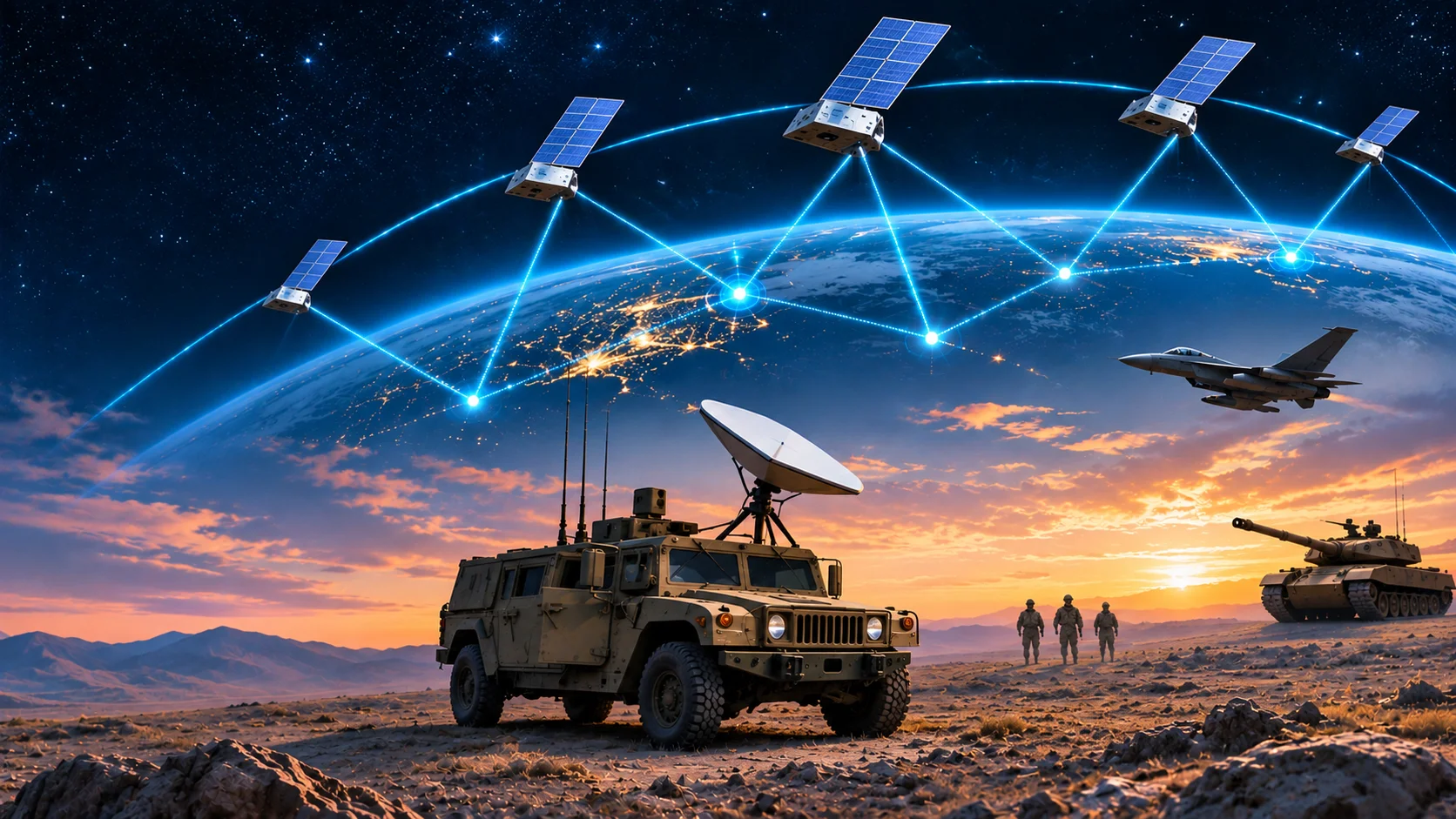
Iran Used Starlink to Strike US Bases After US-Israel Strikes, Washington Post Reports
Following military strikes by the United States and Israel in late February 2026, Iran utilized SpaceX’s Starlink satellite communication system to direct military operations against American bases in the Middle East, according to The Washington Post (新华网客户端).
Confidential briefings submitted to U.S. Defense Secretary Pete Hegseth during the summer outlined how Tehran leveraged the commercial satellite network for command and control and to monitor one-way attack drones. The network served as an alternative communication method after U.S. forces targeted Iran’s traditional infrastructure (新华网客户端).
The unauthorized use of the system during regional retaliatory strikes triggered internal turmoil at SpaceX, resulting in the dismissal of at least two executives, 凤凰网 reported. On March 1, 2026, a drone attack struck a U.S. military facility at Port Shuaiba in Kuwait, killing six American service members (澳洲看新闻).
Within hours of that attack, SpaceX instituted new identity verification requirements for flying objects traveling faster than 100 miles per hour, demanding passport details, driver’s license numbers, and aircraft registration numbers (新华网客户端). A private airplane pilot in Charlotte, North Carolina, said that complying with the new rules to restore Starlink terminal access also coincided with a monthly service fee increase from $60 to $200 (观察者网).
SpaceX subsequently tightened global sales networks by halting indirect distribution programs that allowed authorized dealers to supply secondary vendors (新华网客户端). Company CEO Elon Musk expressed deep frustration regarding the security breach, writing on the social media platform X that utilizing terminals for weapon systems violates commercial terms of service and prompts immediate deactivation (搜狐网).
Musk also clashed with the Pentagon over military units utilizing the low-cost ground-tier Starshield service to operate low-cost uncrewed aerial systems, leading to a rate hike from roughly $5,000 to $25,000 per month for aviation-tier connectivity.
Although Starlink lacks operational licensing within Iran, the U.S. government covertly supplied approximately 6,000 terminals into the country in January 2026 amid domestic unrest to help maintain public internet access (搜狐网). Analysts point out that while SpaceX possesses the technical capability to shut down terminals within Iranian borders, Washington maintains a strategic interest in keeping the network active to bypass state internet controls and gather open-source intelligence (新华网客户端).

“Using terminals for weapon systems violates the terms of service of commercial Starlink. This applies to all users, and they will be deactivated upon discovery,” Musk wrote on X (搜狐网).