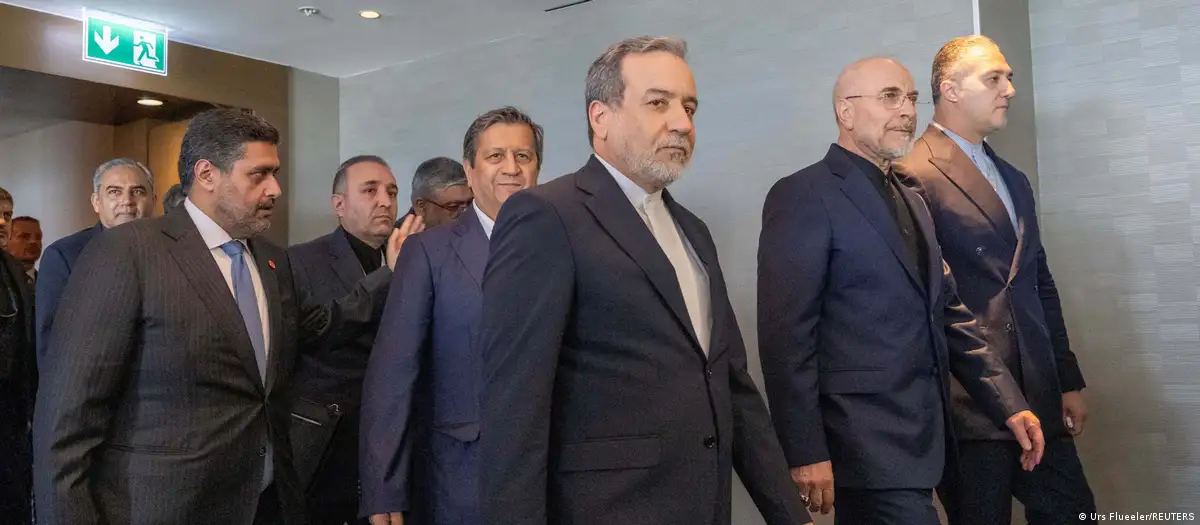
Iran Suspends Nuclear Talks with U.S. in Switzerland Amid Trump’s New Threats
Iran suspended all diplomatic talks with the U.S. in Geneva on June 21, 2026, after President Donald Trump’s latest threats to “eliminate” the country as a nuclear threat. The move follows a 48-hour ultimatum from Tehran, which demanded Washington reverse its stance or face further escalation. The breakdown leaves the 2015 nuclear deal in tatters and raises fears of renewed sanctions and regional instability.
The collapse of negotiations marks the third time in six months that direct talks have stalled, but this time carries unique weight. Trump’s rhetoric—delivered during a speech in Tel Aviv—echoed language from his 2020 campaign, when he vowed to “wipe Iran off the map.” The Iranian Foreign Ministry called the comments “unacceptable” and “a declaration of war,” prompting an immediate walkout from Swiss mediators overseeing the talks.
Why This Matters: The Nuclear Deal’s Unraveling and What’s Next
The 2015 Joint Comprehensive Plan of Action (JCPOA), brokered under the Obama administration, had already been weakened by Trump’s 2018 withdrawal and subsequent “maximum pressure” campaign. But this latest escalation threatens to dismantle what remained of the framework entirely. According to the International Atomic Energy Agency (IAEA), Iran’s uranium enrichment levels have risen by 30% since 2023, putting it closer to breakout capacity than at any point since the deal’s collapse.

Tehran’s response—suspension of talks and a demand for “guarantees” against future U.S. aggression—reflects a calculated shift.
“This is not just about nuclear negotiations anymore. Iran is signaling it will no longer engage in a process where its sovereignty is treated as a bargaining chip.”
Regional Fallout: Who Loses First?
The immediate victims of this breakdown will be the 12 million Iranians already grappling with hyperinflation and energy shortages. The rial has lost 60% of its value against the dollar since Trump’s election, and the Central Bank of Iran has warned of further devaluation if sanctions tighten. For businesses in Tehran’s industrial zones, the risk of secondary sanctions—already crippling sectors like automotive and petrochemicals—is now acute.

In neighboring Iraq, where Iranian-backed militias hold significant influence, the collapse of talks could trigger a surge in cross-border tensions. The Iraqi government has already begun evacuating diplomatic staff from the Iran-Iraq border region, citing “heightened security risks.” Municipal authorities in Basra and Kirkuk are scrambling to reinforce checkpoints, while private security firms specializing in high-risk logistics are seeing a spike in inquiries.
The Legal Minefield: Sanctions, Extradition, and Corporate Exposure
Companies with ties to Iran’s energy or defense sectors now face a legal tightrope. The U.S. Treasury’s Office of Foreign Assets Control (OFAC) has already issued warnings to multinational firms operating in both markets, noting that any transaction facilitating Iranian nuclear proliferation could trigger penalties under the Iran Threat Reduction and Syria Human Rights Act of 2019. For European firms—particularly in Germany and France, where automotive and chemical industries have deep ties to Iran—the risk of being caught in the crossfire is real.
Legal experts warn that the situation could mirror the 2018 sanctions snapback, when companies like TotalEnergies and Volkswagen faced billions in fines for violating restrictions.
“The difference now is that Trump’s administration is far less willing to grant waivers. Firms that thought they could navigate this by shifting operations to Dubai or Singapore may find those safe havens disappearing overnight.”
What Happens Next: Three Possible Trajectories
Analysts are divided on whether this breakdown will lead to direct conflict, a prolonged stalemate, or a backchannel diplomatic push. Here’s how the next 30 days could unfold:
- Escalation Path: Trump’s team signals no intention to reverse course, and Iranian hardliners—led by Supreme Leader Ayatollah Khamenei—reject any further negotiations. By July 15, the U.S. imposes new sanctions on Iran’s Revolutionary Guard Corps (IRGC) and key financial institutions.
- Stalemate Path: Both sides dig in, but regional powers like Russia and China use the pause to pressure Washington into limited concessions. By August, a modified deal emerges, but without the nuclear restrictions of the JCPOA.
- Backchannel Path: Unnamed intermediaries (likely Qatar or Oman) reopen indirect talks, focusing on non-nuclear issues like regional security and counterterrorism. A partial agreement on maritime security could be announced by late July.
The most immediate concern is the humanitarian toll. The World Food Programme (WFP) has already cut food aid to 3 million Iranians due to funding shortages, and further sanctions could push that number to 5 million. For families in sanctioned regions, accessing basic goods like medicine and fuel is already a daily struggle.
The Directory Bridge: Who Can Help?
With the nuclear deal’s collapse accelerating economic and geopolitical risks, businesses and individuals in affected regions need immediate solutions:

- Sanctions Compliance: Firms with Iran exposure should audit their supply chains immediately. Specialized sanctions attorneys can help navigate OFAC and EU restrictions before violations occur.
- Energy and Logistics: Companies reliant on Iranian oil or gas must secure alternative suppliers. Vetted energy traders with experience in sanctioned markets can provide critical contingency planning.
- Humanitarian Aid: NGOs and municipal governments in border regions should partner with cross-border aid organizations to mitigate food and medical shortages before they worsen.
The Long Game: What This Means for the Next Decade
This isn’t just another diplomatic setback—it’s a turning point. The JCPOA’s collapse in 2018 was a shock; this is the beginning of its unraveling. If Trump’s threats stand, Iran’s nuclear program will likely advance unchecked, forcing neighboring states like Saudi Arabia and Israel to reconsider their own deterrence strategies. The risk of a regional arms race—already simmering in Yemen and Syria—could boil over.
The question now is whether the world will learn from history. The last time a U.S. president threatened Iran with elimination, in 2002, it led to a decade of brinkmanship and proxy wars that killed hundreds of thousands. This time, the stakes are higher. The only certainty is that the professionals in our World Today News Directory—from sanctions lawyers to energy strategists—are already preparing for the fallout.
One thing is clear: the clock is ticking.