Irán Strikes US-linked Targets in Bahrain and Kuwait, Diario ABC Reports
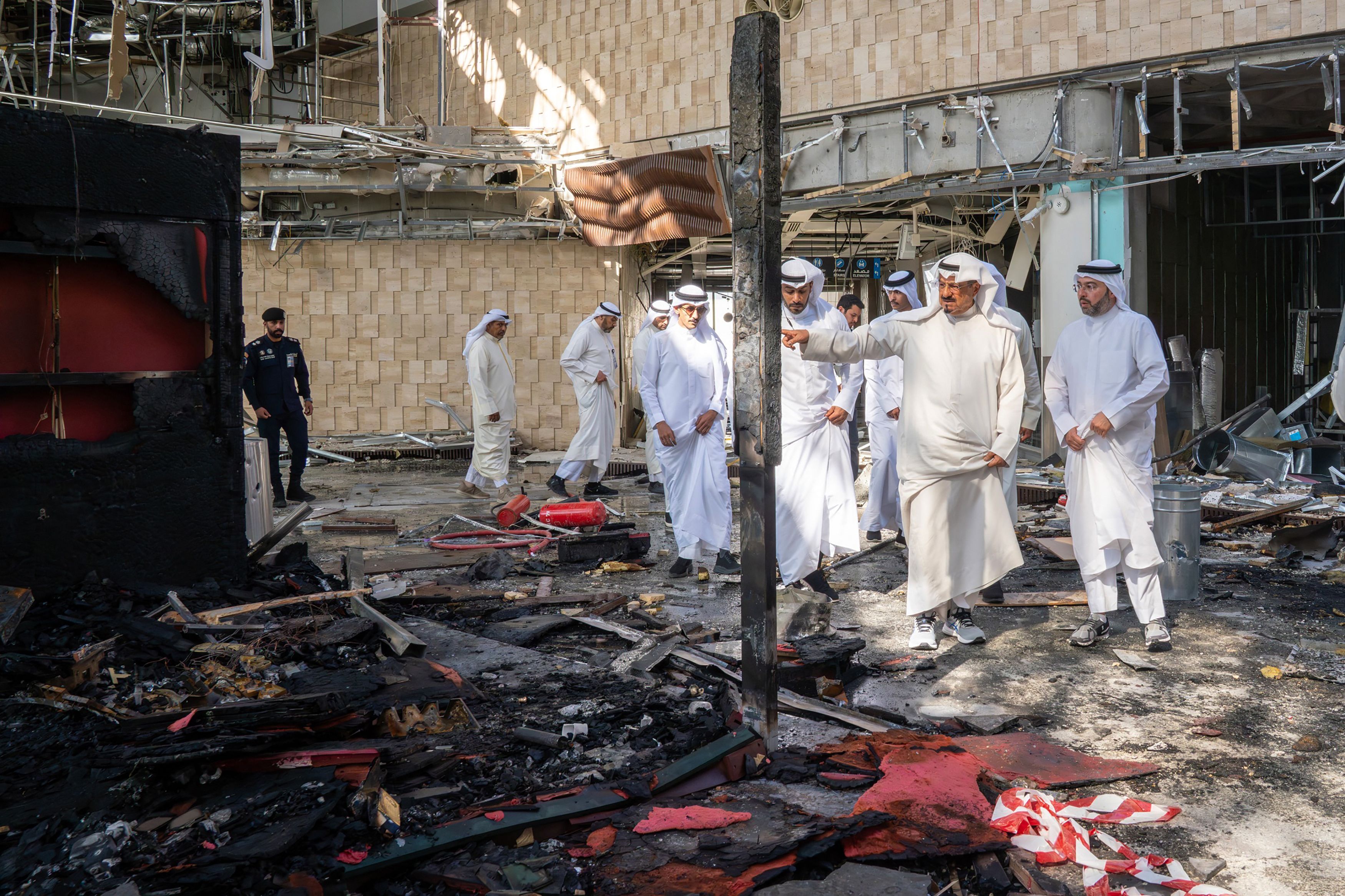
Iran struck US-linked targets in Bahrain and Kuwait this week, with the Revolutionary Guard confirming drone attacks on an American radar system in Bahrain on Tuesday and missile and drone fire on the Ali Al Salem air base in Kuwait 24 hours later, Diario ABC reported.
The two attacks change the nature of what the Spanish daily describes as a "neither war nor peace" standoff between Tehran and Washington. Rather than waiting under daily threats from Israeli Prime Minister Benjamin Netanyahu and the arrival of a third US aircraft carrier in the region, Iran has moved to the offensive, pressing to break a tightening American blockade that Washington wants to extend to land routes as well.
Bahrain, host of the US Navy’s Fifth Fleet, intercepted several Iranian air attacks on Tuesday and accused Tehran of pursuing a “systematic hostile strategy” against the country, according to Diario ABC’s reporting. Bahrain’s Interior Ministry issued two threat alerts during the day, telling residents to move to the nearest safe shelter.
The Revolutionary Guard said it launched drones against “a US military radar system” in Bahrain in response to what it called “continued violations of Iranian airspace by enemy drones.” Tehran also denounced a US bombing of Qeshm island, the daily reported.
Bahrain alerts, then a strike in Kuwait
The sequence moved fast. Air defenses intercepted the Bahrain attacks on Tuesday. By the following day, the Guard had shifted fire to Kuwait, hitting installations used for American drones and missiles at Ali Al Salem.
Kuwait’s Foreign Ministry condemned the strike in a statement published on X, calling the attacks a direct danger to the region.
“The continuation of these attacks constitutes a dangerous escalation that threatens the security and stability of the region and undermines diplomatic efforts aimed at reducing tension,” the Kuwaiti Foreign Ministry said in the statement.
Gulf Cooperation Council Secretary General Jasem Mohamed Albudaiwi, Qatar and the United Arab Emirates all condemned the Iranian attacks. Per Diario ABC, those condemnations have become a formality with no effect on the decisions of the Islamic Republic.
Mediation stalls as a third carrier arrives
Qatar, the main mediator between Washington and Tehran, warned that the new Iranian attacks put the negotiation process at risk. Oman is also part of that process, which has so far produced no results and raises the risk of a return to large-scale war, the daily reported.
Hamidreza Azizi, an Iranian analyst at the International Crisis Group, told Al Jazeera that the two sides are weighing the standoff very differently, according to Eldiariomontanes.
“The two sides have very different calculations about the costs of prolonging the confrontation, and as economic pressure increases, Iran may be increasingly willing to take military risks to break the deadlock,” Azizi said.
Azizi added that Tehran could conclude that deliberate escalation is preferable to watching its economic and strategic position keep deteriorating.

What is confirmed: the Guard’s own admission of drone strikes on a US radar system in Bahrain and attacks on the Ali Al Salem base; Bahrain’s two public threat alerts; the Saudi command change ordered by King Salman; and the Houthi takeover of Bab el-Mandeb. All come from Diario ABC’s reporting.
What remains open: the scale of damage at any of the struck sites, any casualty figures, and Washington’s response to the two attacks. None of the available reporting addresses those questions. The US bombing of Qeshm island rests on Tehran’s account, and no independent confirmation appears in the material.
What comes next is equally unresolved. The Qatar- and Oman-mediated negotiation process continues without results so far, and the Houthi assault on Aden has not yet begun. It is unclear whether the US blockade extends to land routes, as the sources say Washington intends.
Why the strait matters beyond the Gulf
Bab el-Mandeb is one of the world’s key chokepoints, and the sources tie it directly to Saudi oil exports that had been using the route to avoid Hormuz. Its loss to a Tehran-aligned force compresses the alternatives available to Gulf exporters at the very moment the wider region is trading fire.
For companies moving cargo through the Red Sea and the Gulf, the practical consequence is route and insurance risk. For residents of Bahrain and Kuwait, the practical detail is the one Bahrain’s Interior Ministry already issued: alerts instructing people to reach the nearest shelter.
The open question, as Azizi framed it, is whether Tehran decides that escalation beats economic decline — a calculation the sources say is tilting as pressure mounts.