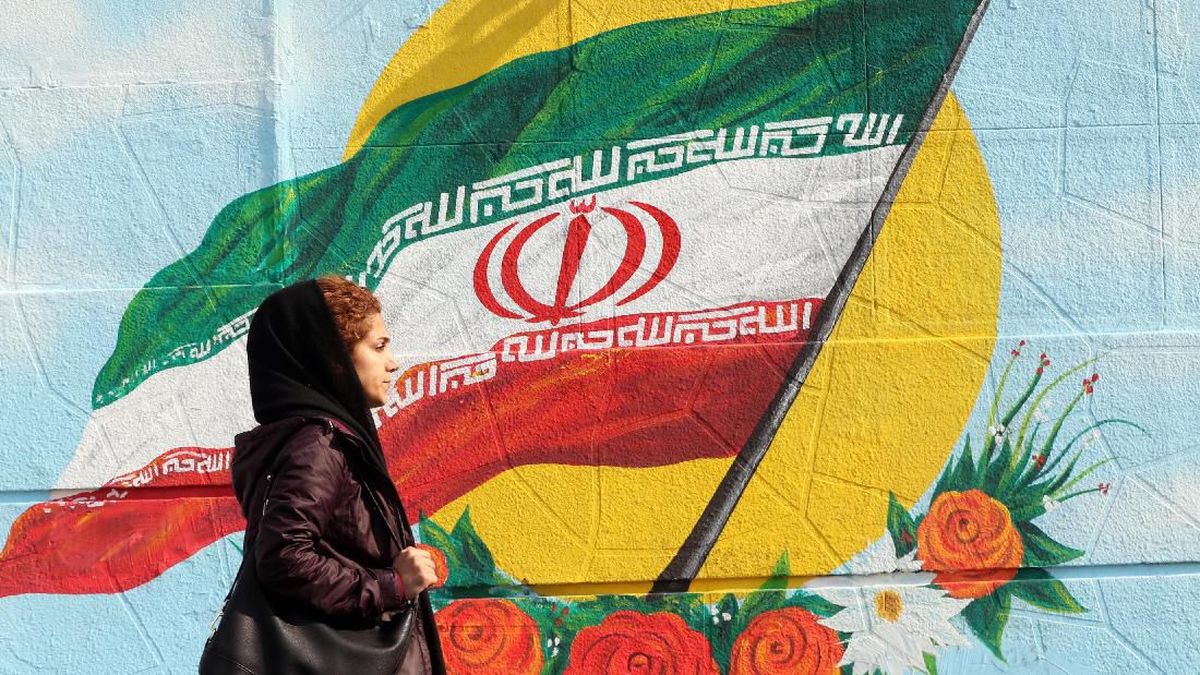
Iran Responds to US Proposal to End Conflict
Iran has responded to a U.S. Peace proposal via Pakistani mediators to end the Middle East conflict. Negotiations focus on reopening the Strait of Hormuz and halting Iran’s nuclear program, as global energy markets react to the potential for a diplomatic breakthrough and the lifting of maritime blockades.
The geopolitical stakes have shifted from regional skirmishes to a systemic economic gamble. At the center of this tension is the Strait of Hormuz—the world’s most critical oil artery. When this waterway is contested, the global economy doesn’t just fluctuate. it shutters. The current impasse is no longer about mere diplomacy; it is about the survival of predictable energy pricing and the stability of international maritime law.
For multinational corporations, this instability is a logistical nightmare. The unpredictability of the Gulf has forced a sudden reliance on global supply chain logistics firms to map alternative routes and hedge against the sudden evaporation of Gulf oil supplies.
The Pakistan Conduit and the Diplomatic Gamble
The response from Tehran was delivered through Pakistan, serving as the primary mediator in a high-stakes effort to prevent total escalation. While Iranian state news agency IRNA confirmed the response, the specific terms remain opaque. The focus, however, is clear: ending the regional war.
Washington is now reviewing the response. U.S. Ambassador to the United Nations Mike Waltz characterized the negotiations as having gone “longer and slower” than desired, but emphasized that diplomacy remains ongoing. Waltz noted that the U.S. Has established a “very clear red line” regarding the terms of peace.
It is a game of attrition.
The U.S. Is not merely seeking a ceasefire; it is demanding a structural shift in Iranian capabilities. Energy Secretary Chris Wright has been explicit: the U.S. Requires the “free flow of traffic through the international waters that are the Straits of Hormuz, and an end to the Iranian nuclear program.”
“When we start to get free flow of traffic through the Strait of Hormuz, energy prices will come down,” Wright stated, linking diplomatic success directly to the cost of living for millions of global consumers.
The Nuclear Red Line and the Israeli Variable
The peace proposal is not a vacuum. It is constrained by the security requirements of the U.S. And its allies. In Israel, Prime Minister Benjamin Netanyahu has maintained that “work to be done” remains in the joint U.S.-Israeli offensive against Iran. Netanyahu’s primary concern is the persistence of enriched uranium and the existence of nuclear sites that Tehran has yet to dismantle.

This creates a paradox: the U.S. Seeks a diplomatic exit to stabilize oil prices, while its closest regional ally demands a total disarmament that Tehran may find unacceptable. This friction point is where the risk of miscalculation is highest.
As the conflict threatens to spill over into broader sanctions regimes, firms are increasingly turning to international trade lawyers to navigate the complex web of U.S. Treasury sanctions and the legal ramifications of dealing with entities linked to the Iranian state.
The Hormuz Chokehold: Macro-Economic Fallout
The Strait of Hormuz is the ultimate geopolitical lever. By blocking ships, Iran has successfully disrupted critical Gulf oil supplies, injecting a volatility into the markets that transcends the Middle East. The ripple effect is felt in every gas station from Texas to Tokyo.
The energy crisis has become so acute that Secretary Wright has considered the possibility of suspending the federal gas tax to provide relief to consumers. This is a rare admission of the degree to which a regional blockade can dictate domestic U.S. Fiscal policy.
The market, however, is betting on a deal. Oil prices have dropped over the last week as anticipation grows that a resolution is near. But this optimism is fragile. Iran’s military has already warned that any country enforcing sanctions will “face problems” when using the waterway, and Tehran has threatened a “heavy assault” on U.S. Assets if its own ships face further attacks.
This environment of extreme volatility requires more than just a hope for peace; it requires rigorous geopolitical risk consultants to help firms build resilience against “black swan” events in the Persian Gulf.
The Great Power Guarantors: China and Russia
Tehran is not negotiating from a position of isolation. The Iranian Ambassador to China, Abdolreza Rahmani Fazli, has suggested that Beijing could serve as a guarantor for any potential agreement. Fazli argues that any deal must be accompanied by guarantees from “great powers” and be formalized within the United Nations Security Council.

The involvement of China and Russia—both permanent members of the UN Security Council—adds a layer of complexity. It transforms a bilateral U.S.-Iran dispute into a multilateral power struggle. If China acts as the guarantor, the agreement ceases to be a U.S.-led dictate and becomes a shared global arrangement.
This shift reflects a broader trend in the global order: the transition from a unipolar security architecture to a fragmented system where “guarantor states” hold as much power as the primary combatants.
The current movement toward a peace deal is a tentative step on a very unstable bridge. Whether the U.S. Can secure the “red line” of nuclear disarmament while Iran secures the lifting of sanctions remains the defining question of the quarter. For the global business community, the lesson is clear: the intersection of maritime security and nuclear diplomacy is where the next great economic shock will either be born or averted.
As the chessboard shifts, the ability to navigate these transnational legal and financial minefields is the only true competitive advantage. Those who wait for the news to break are already too late; those who partner with the right international legal and financial consultants are the ones who survive the volatility.