
Iran Considers Nuclear Non-Proliferation Treaty Withdrawal After Israeli Airstrikes
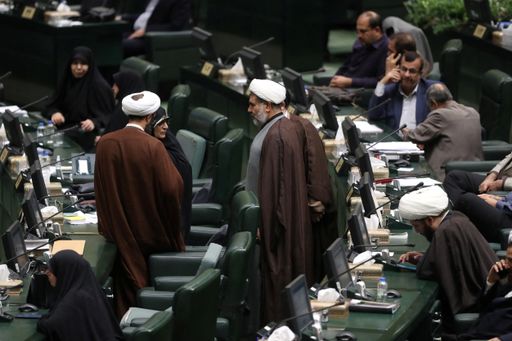
Tehran is weighing its options regarding the Nuclear Non-Proliferation Treaty (NPT), as parliamentarians prepare a bill that could lead to Iran’s withdrawal. This move comes in the wake of recent Israeli airstrikes and escalating tensions over Iran’s nuclear program.
Possible Exit from Nuclear Treaty
The Ministry of Foreign Affairs announced on Monday that Iranian parliamentarians are drafting a bill that could result in Tehran withdrawing from the NPT, reiterating the nation’s official stance against developing nuclear weapons. esmaeil Baghaei,the ministry spokesman,stated in a press conference that “In light of recent developments,we will make the appropriate decision.” He added that the government must apply the bills of the Parliament,but such a proposal is being developed and will coordinate later with the Parliament.
did You Know? The NPT has been crucial in preventing the spread of nuclear weapons since its inception in 1968.
The NPT, ratified by Iran in 1970, grants countries the right to pursue civil nuclear energy in exchange for renouncing nuclear weapons and cooperating with the International Atomic Energy Agency (IAEA), the United Nations’ nuclear surveillance organization.
Accusations and Counter-Accusations
Israel initiated airstrikes in Iran last week, alleging that Tehran was on the verge of developing a nuclear bomb. Iran has consistently asserted that its nuclear program is peaceful. Though, the IAEA stated last week that Tehran violated its obligations under the NPT. President Massoud Pezeshkian reiterated on Monday that nuclear weapons are contrary to a religious decree issued by Supreme Leader Ayatollah Ali Khamenei.
Iranian state media reported that Parliament has not yet made a decision to leave the NPT, and a parliamentarian noted that the proposal is in the initial stages of the legislative process. Baghaei stated that events such as the Israeli attack “naturally affect strategic state decisions.” He also accused those who voted for the resolution of preparing the ground for the attack.
Pro Tip: Monitoring statements from key Iranian officials and parliamentary proceedings can provide insights into the likelihood of NPT withdrawal.
Israel’s Position
Israel, which has never joined the NPT, is suspected by many governments in the region of possessing nuclear weapons, although it neither confirms nor denies this. Baghaei stated that “The Zionist regime is the only holder of weapons of mass destruction in the region.”
Timeline of Key Events
| Date | Event |
|---|---|
| 1970 | Iran ratifies the Nuclear Non-Proliferation Treaty (NPT). |
| Last Week | Israel launches airstrikes in Iran, alleging an imminent nuclear threat. |
| Last week | IAEA accuses Iran of violating its NPT obligations. |
| June 16, 2025 | Iranian parliamentarians are preparing a bill to potentially withdraw from the NPT. |
Regional implications
The potential withdrawal of Iran from the NPT raises significant concerns about nuclear proliferation in the Middle East. It could lead to increased regional instability and further complicate international efforts to monitor and control Iran’s nuclear activities. The Middle East is already fraught with tension, and this progress could exacerbate existing conflicts.
what impact would Iran’s withdrawal from the NPT have on global security? How should the international community respond to this potential development?
Evergreen Insights: Background, Context, Ancient Trends
the Nuclear Non-Proliferation Treaty (NPT) is a landmark international treaty whose objective is to prevent the spread of nuclear weapons and weapons technology, to promote cooperation in the peaceful uses of nuclear energy, and to further the goal of achieving nuclear disarmament and general and complete disarmament. The treaty was opened for signature in 1968 and entered into force in 1970. As of 2025, 191 States have joined the Treaty, including the five nuclear-weapon States.
FAQ
- Why is Iran considering withdrawing from the Nuclear non-Proliferation Treaty?
- Iranian parliamentarians are drafting a bill to potentially withdraw from the Nuclear non-Proliferation Treaty (NPT) following recent Israeli airstrikes and accusations from the IAEA that Iran has violated its obligations.
- What is the nuclear Non-Proliferation Treaty (NPT)?
- the Nuclear Non-Proliferation Treaty (NPT), ratified by Iran in 1970, allows countries to develop civil nuclear energy in exchange for renouncing nuclear weapons and cooperating with the International Atomic Energy Agency (IAEA).
- What are Iran’s claims regarding its nuclear program?
- Iran has consistently maintained that its nuclear program is for peaceful purposes and not for developing nuclear weapons.President Massoud Pezeshkian has stated that nuclear weapons are against a religious decree by Ayatollah Ali Khamenei.
- What is Israel’s stance on the Nuclear Non-Proliferation Treaty?
- Israel has never joined the Nuclear Non-Proliferation Treaty (NPT) and is widely suspected of possessing nuclear weapons, although the government neither confirms nor denies this.
- What are the potential consequences of Iran withdrawing from the NPT?
- If Iran withdraws from the Nuclear Non-Proliferation Treaty (NPT), it could face increased international scrutiny, sanctions, and potentially further military action. It could also accelerate concerns about nuclear proliferation in the Middle East.
- How does the IAEA play a role in the Nuclear Non-Proliferation Treaty?
- the International Atomic Energy Agency (IAEA) is the United Nations’ nuclear surveillance organization. It monitors countries’ compliance with the nuclear Non-Proliferation Treaty (NPT) and investigates potential violations.
- What is the current status of the bill regarding Iran’s potential withdrawal from the NPT?
- According to Iranian state media, no final decision has been made by the parliament regarding withdrawing from the Nuclear Non-Proliferation Treaty (NPT). A parliamentarian indicated that the proposal is in the early stages of the legislative process.
Disclaimer: This article provides news and context and should not be considered legal or policy advice.
Share your thoughts and join the conversation! Subscribe to World Today News for the latest updates on global affairs.
