Iran Condemns US Economic Sanctions as Economic Terrorism
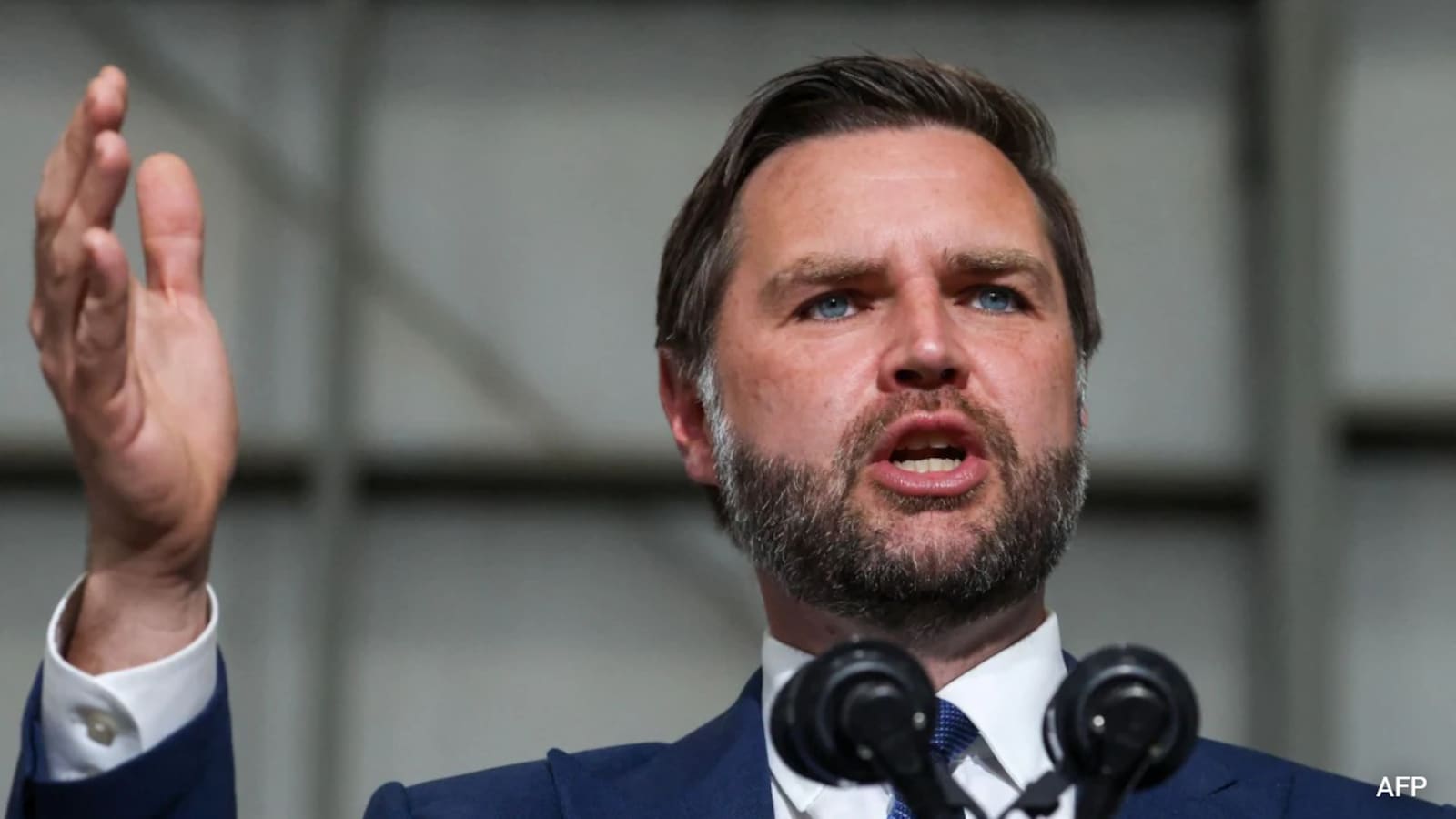
U.S. Speaking on a podcast appearance reported by CNBC and The Economic Times, Vance noted that Tehran has felt substantial economic strain from ongoing sanctions and military measures securing the Strait of Hormuz.
The Fiscal Mechanics of Washington’s Maximum Pressure Campaign
Economic warfare involves complex supply chain disruptions and direct impacts on energy pricing. According to CNBC, U.S. President Donald Trump announced plans for what he termed the most crushing economic operation ever deployed against Tehran, threatening severe financial penalties on any foreign nation assisting Iranian sanctions evasion. These measures arrive as corporate balance sheets across the energy sector navigate volatile freight and insurance costs.

Energy markets have reacted sharply to maritime security challenges in the Persian Gulf. Trade intelligence firm Kpler observed minimal ship traffic through the Strait of Hormuz, recording just 10 crossings on Monday and two on subsequent days. This figure marks a steep contraction from the roughly 130 daily transits typical before the current conflict. For industrial manufacturers and logistics providers, this bottleneck elevates operational input costs.
Iranian parliament speaker Mohammad Baqer Qalibaf argued during an event in Baghdad that Muslim nations must formulate concrete plans to bypass cruel sanctions.

While the White House maintains that energy prices have stabilized due to successful military escorts clearing tanker traffic, regional actors view the financial restrictions through a different lens. According to The Economic Times, Iranian parliament speaker Mohammad Baqer Qalibaf argued during an event in Baghdad that Muslim nations must formulate concrete plans to bypass cruel sanctions.
Simultaneously, the Iranian Ministry of Foreign Affairs condemned the latest U.S. measures as economic terrorism and crimes against humanity. The official statement emphasized that seventy-three years of hostile U.S. policy will not deter the nation from defending its national sovereignty. This rhetorical escalation underscores the legal and regulatory risks confronting any enterprise operating near secondary sanction jurisdictions.
The broader strategic objective articulated by the administration centers on permanently disabling Iran’s nuclear capabilities and altering the operational reality on the ground. Vance emphasized that the ongoing economic squeeze aims to force a fundamental change in Tehran’s calculus regarding future diplomatic negotiations and commercial behavior.
Financial institutions and institutional investors are pricing in prolonged volatility across petroleum futures and regional equities. Treasury enforcement, corporate leadership teams must adapt their quarterly guidance to account for sustained energy price floors.