
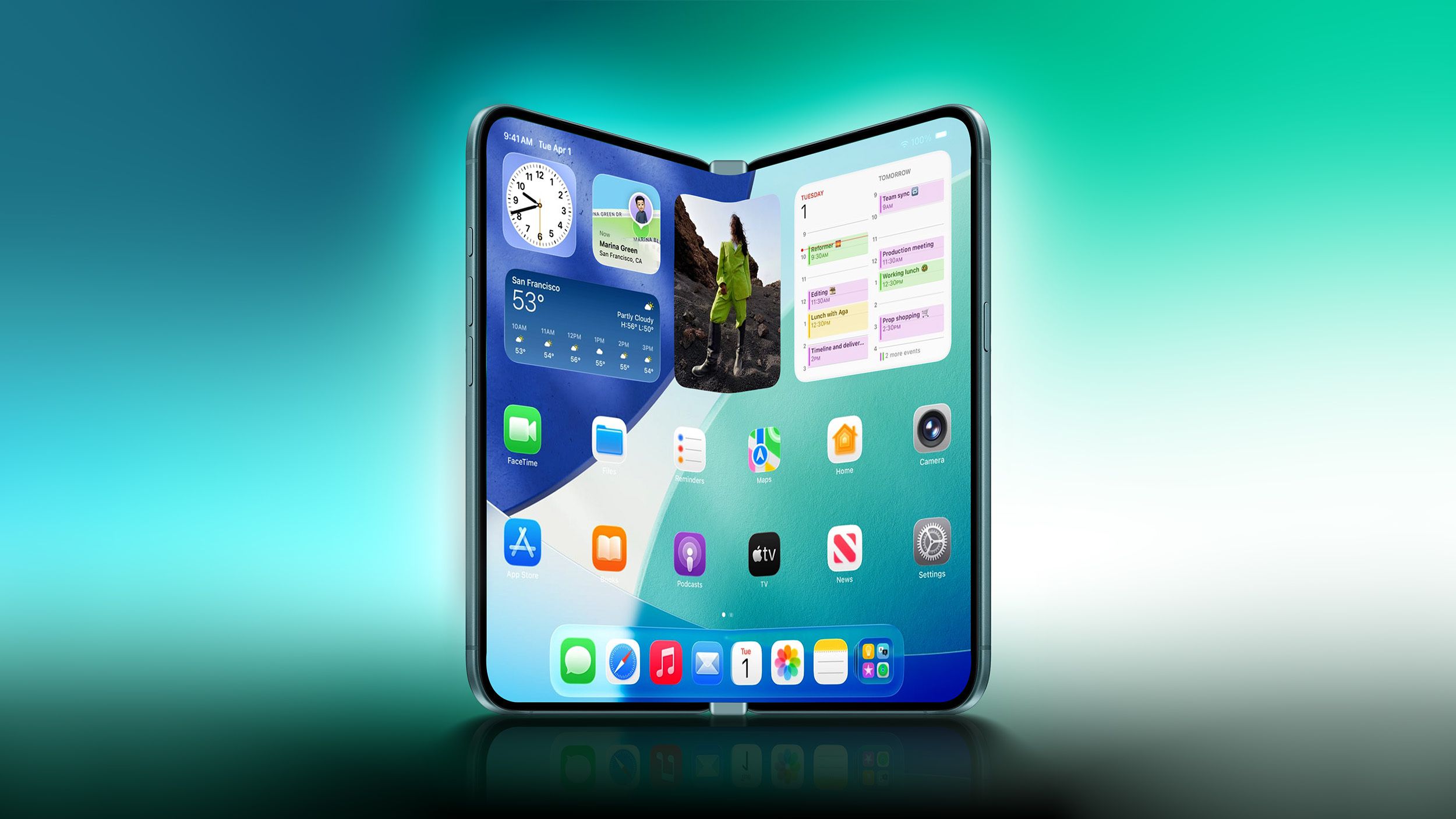
iPhone Ultra Price Leak: Apple’s Foldable iPhone Could Top $2,000
Apple is finally preparing to enter the foldable arena, but the entry fee for the “iPhone Ultra” is shaping up to be a significant barrier. The move signals a pivot toward a hyper-premium segment where hardware margins are pushed to the absolute limit, targeting power users and enterprise executives who view the device as a productivity hub rather than a mere handset.
The Tech TL;DR:
- Pricing Shock: Expected to cross the $2,000 threshold, potentially peaking at $2,799 for 2TB configurations.
- Hardware Pivot: Features a book-style fold with a 7.7-inch inner display, a 5.3-inch outer display, and a shift to a Touch ID power button.
- Deployment Window: On track for a September debut, though initial supply is expected to be limited.
The transition to a foldable form factor introduces immediate architectural friction. For years, Apple has leaned on Face ID as its primary biometric security layer. The reported shift to a Touch ID power button on the iPhone Ultra suggests a fundamental design constraint: the foldable chassis may not currently support the TrueDepth camera array in a way that maintains the “crease-free” aesthetic Apple desires. While the company claims to have reduced the crease, the admission that it isn’t eliminated entirely reveals the persistent struggle between materials science and industrial design.
The “Ultra” Tax: Deconstructing the Pricing Architecture
The naming convention is not accidental. Apple has already established the “Ultra” brand as the ceiling for its product lines, from the Apple Watch Ultra to the M-series Ultra chips. By branding the foldable as the iPhone Ultra, Apple is effectively creating a new pricing tier that exists above the Pro Max. This is a strategic move to avoid cannibalizing the iPhone 17 Pro Max, which currently caps at $1,999 for the 2TB model.

If the iPhone Ultra starts at $1,999, the pricing delta for storage will likely mirror the existing Pro Max tiers. This puts the top-end configuration at roughly $2,799. For enterprise IT departments, this represents a significant increase in per-unit CAPEX, necessitating a review of hardware refresh cycles and insurance premiums. Organizations managing large fleets will need to engage [Hardware Procurement Consultants] to determine if the productivity gains of a 7.7-inch multitasking screen justify a 40% price hike over the Pro Max.
| Specification | iPhone 17 Pro Max (Current Peak) | iPhone Ultra (Reported) |
|---|---|---|
| Max Price (2TB) | $1,999 | ~$2,799 (Estimated) |
| Primary Display | Standard Slab | 7.7-inch Inner / 5.3-inch Outer |
| Biometrics | Face ID | Touch ID Power Button |
| Form Factor | Traditional | Book-style Foldable |
| Release Timeline | Available | September Debut |
Engineering Trade-offs and the Multi-Tasking Bottleneck
The leap to a 7.7-inch inner display is intended to enable iPad-style multitasking. From a developer’s perspective, this isn’t just a screen size increase; it’s a requirement for adaptive UI layouts that can handle dynamic resizing. Apps that aren’t optimized for this aspect ratio will suffer from “letterboxing” or awkward scaling, creating a fragmented UX. The shift in biometrics to Touch ID also implies a change in the authentication flow for banking and secure enterprise apps, which may require updates to existing LocalAuthentication framework implementations.
the limited initial supply mentioned in reports suggests a conservative production ramp. This is typical for new form factors where yield rates for foldable OLED panels often struggle. For companies relying on seamless deployment, this volatility makes it critical to work with [Mobile Device Management Specialists] to ensure that the transition to foldable hardware doesn’t create gaps in device availability or security compliance.
Implementation Mandate: Provisioning for New Form Factors
For CTOs and systems administrators, the introduction of a new device class requires updating Mobile Device Management (MDM) profiles. Before the September rollout, IT teams should be testing their API integrations to ensure that new hardware identifiers are correctly categorized within their inventory systems. Below is a conceptual cURL request to a standard MDM API to query for compatibility with the new “Ultra” hardware identifier.
curl -X GET "https://api.enterprise-mdm.com/v1/devices/compatibility?model=iPhone_Ultra" -H "Authorization: Bearer YOUR_ACCESS_TOKEN" -H "Content-Type: application/json" -d '{ "check_os_version": "iOS_19", "validate_biometrics": "TouchID", "screen_resolution_support": "7.7_inch" }'Integrating these checks into a CI/CD pipeline via GitHub Actions ensures that deployment scripts are updated automatically as Apple releases the final hardware IDs. Failure to do so often results in “Unknown Device” errors during the enrollment phase, delaying productivity for high-value executives.
The Crease Reality: Materials Science vs. Marketing
The internal debate at Apple regarding the “crease” is a microcosm of the broader foldable industry. While competitors have moved toward thinner ultra-thin glass (UTG), Apple’s reported approach of “reducing” rather than “eliminating” the crease indicates a preference for durability over a perfect surface. A completely crease-free display often requires softer polymers that are prone to scratching and degradation over thousands of fold cycles.
From a maintenance perspective, the complexity of a folding hinge and a flexible OLED increases the risk of mechanical failure. This shift will inevitably drive demand for [High-End Electronics Repair Specialists] who can handle the precision required for foldable screen replacements without compromising the device’s structural integrity. The cost of these repairs will likely be proportional to the device’s $2,000+ price tag, making AppleCare+ a mandatory line item for any enterprise deployment.
As we approach the September debut, the iPhone Ultra stands as a litmus test for Apple’s ability to command a new price ceiling. If the market accepts a $2,799 smartphone, it opens the door for further hardware segmentation. The real question isn’t whether the hardware works, but whether the software ecosystem can evolve quick enough to build a 7.7-inch folding screen more than just a luxury novelty.
Disclaimer: The technical analyses and security protocols detailed in this article are for informational purposes only. Always consult with certified IT and cybersecurity professionals before altering enterprise networks or handling sensitive data.