
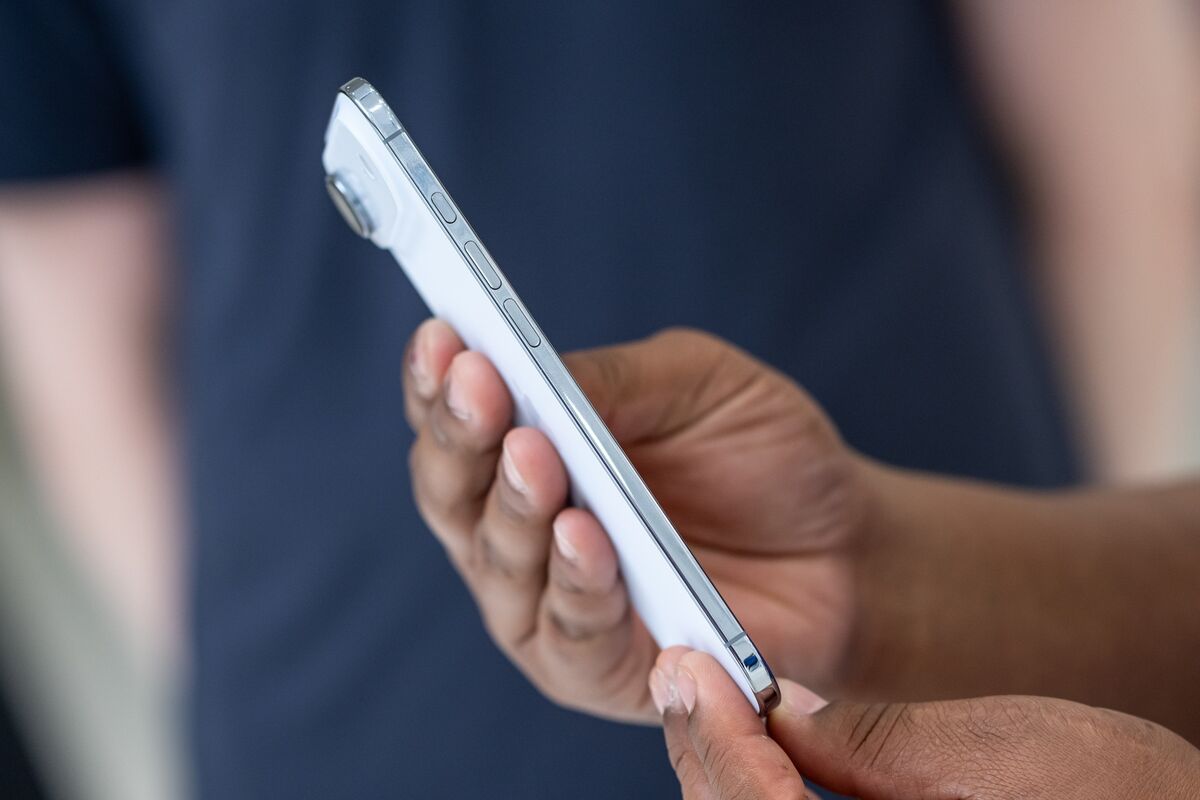
apple’s iPhone Air: Prioritizing Form Over Function and a Glimpse into Future Strategy
Apple’s recent release of teh iPhone Air, a thinner and lighter iteration of its flagship device, has sparked debate regarding its value proposition. Priced at $999, the iPhone Air is positioned between the higher-performing iPhone 17 ($799) and the fully-featured iPhone 17 Pro ($1099 - Japanese pricing reflects ¥129,800, ¥159,800, and ¥179,800 respectively). This pricing strategy, coupled with compromises in battery life and camera performance in favor of a slimmer profile, raises questions about its target audience and Apple’s broader objectives.The iPhone Air’s emphasis on thinness – a trend currently led by samsung’s 5.8mm thick S25 Edge, which achieved over 1 million sales in Q2 and ranked sixth in the high-priced smartphone market – appears to be a intentional move. However, the Samsung device has faced criticism for its battery performance, mirroring concerns surrounding the iPhone Air. Many users utilize protective cases, diminishing the visual impact of the reduced thickness and prompting debate over whether the price premium is justified.
Industry analysts suggest Apple’s motivation extends beyond simply offering a thinner phone.Francisco Geronimo of IDC believes the iPhone Air, along with other model updates, is designed to shorten the consumer replacement cycle. As incremental improvements in smartphone technology become less visually apparent, Apple aims to provide compelling reasons for users to upgrade.As Ben Wood of CCS Insight notes, the visual distinction between models has diminished, and the iPhone Air offers a noticeable change for those who prioritize such updates.
The iPhone Air also serves as a testing ground for apple’s internal advancements. Equipped with Apple-designed wireless chips and modems, the device allows Apple to refine its supply chain and mass-production capabilities. This is seen as crucial preparation for the development of a future folding iPhone, envisioned as a device functionally equivalent to two iPhones combined.
Ultimately, the iPhone Air is highly likely to appeal to a niche market: loyal Apple customers and those who prioritize a slim form factor for portability. Like the experimental Vision Pro, it functions as a public research and development platform, allowing Apple to gather data and refine its strategies. The true importance of the iPhone Air may lie not in this initial model, but in the insights gained for future iterations.
Investor reaction to the iPhone Air’s release has been muted, with Apple stock closing down approximately 1.5% on September 9th. This suggests investors are awaiting more substantial developments, particularly regarding Apple’s artificial intelligence strategies and the next generation of iPhone technology, which are expected to define the company’s future.
(Source: Bloomberg Opinion, Dave Lee - “Who Actually Wants to buy a Thinner iPhone?”)
Disclaimer: this column reflects the personal views of the author and does not necessarily reflect the opinion of the editorial board or Bloomberg LP and its owners.
