
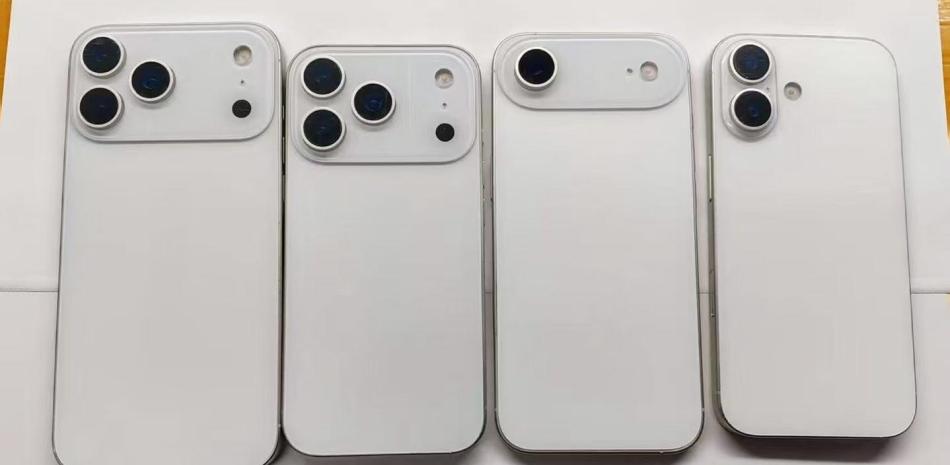
iPhone 17 Air: Apple’s Ultra-Thin Design ditches SIM, Embraces USB-C
Apple is forging ahead with its vision for a super-slim smartphone, the iPhone 17 Air, slated to launch alongside the iPhone 17 series. While initial concepts explored eliminating load ports entirely, the device will ultimately feature a USB-C port to comply with European Union regulations. This new model, internally codenamed D23, is expected to be two to three millimeters thinner than current iPhones and will pioneer design and efficiency advancements for future Apple devices [1].
Key Design Changes in the iPhone 17 Air
The iPhone 17 Air represents a significant shift in Apple’s design ideology. The focus is on achieving a remarkably thin profile without sacrificing essential functionality.Bloomberg’s Mark Gurman reports that the device will bridge the gap between entry-level and high-end models, incorporating a 6.6-inch screen with minimal bezels and the innovative camera control button [2].
Did You Know? Apple first introduced the USB-C port to its iPad Pro line in 2018, signaling a move away from the Lightning connector.
Sacrifices for Slimness
To achieve the desired thinness, Apple has made strategic compromises. The iPhone 17 Air will feature a single 48MP camera, utilize the standard A19 processor instead of the Pro version, and eliminate the physical SIM card slot, embracing eSIM technology. Despite these changes, apple aims to maintain comparable battery life to existing iPhones [3].
The device will incorporate the recently released C1 modem, first seen in the iPhone 16E, which enhances energy efficiency, crucial for maintaining performance in a compact design.
The USB-C Compromise and Wireless Future
Apple initially considered a completely port-less design, relying solely on wireless charging and cloud-based data synchronization, similar to the Apple Watch. However, concerns about user acceptance and regulatory compliance led to the inclusion of a USB-C port. The European Union mandates USB-C charging for all mobile devices,pushing Apple to adopt the standard [4].
Pro Tip: Consider investing in a high-quality wireless charger to minimize wear and tear on the USB-C port and take advantage of the iPhone 17 Air’s wireless capabilities.
future Port-less iPhones
Despite the USB-C inclusion, apple remains committed to a future with port-less iPhones. If the iPhone 17 Air proves successful, Apple plans to extend its design principles to future models, including foldable iPhones in a clamshell format, potentially arriving as early as 2026 [5]. These future devices will leverage the advancements in battery, screen, modem, and processor technology pioneered by the iPhone 17 Air.
iPhone 17 Air: Price and Positioning
The iPhone 17 Air is expected to be priced around $900, positioning it similarly to the current iPhone 16 Plus. This pricing reflects its blend of features and its role as a stepping stone towards Apple’s future design direction.
| Feature | Specification |
|---|---|
| Design | Ultra-thin (2-3mm slimmer) |
| Screen Size | 6.6 inches |
| Camera | Single 48MP |
| Processor | A19 |
| SIM | eSIM only (no physical SIM) |
| Port | USB-C |
| Price (Expected) | $900 |
Will the thinner design and eSIM-only approach appeal to consumers? How will Apple balance innovation with user expectations in future iPhone designs?
The Evolution of iPhone Design
Since its inception in 2007, the iPhone has consistently pushed the boundaries of mobile technology and design. From the original’s iconic home button to the introduction of all-screen displays and advanced camera systems, each generation has brought significant advancements. The iPhone 17 Air represents the next chapter in this evolution, focusing on miniaturization and efficiency. Apple’s commitment to sustainability and user experience continues to drive these innovations,shaping the future of mobile computing.
Frequently Asked Questions About the iPhone 17 Air
- What is the iPhone 17 Air?
- The iPhone 17 Air is Apple’s new smartphone model focused on a thinner design, potentially eliminating load ports and physical SIM cards, while improving battery efficiency.
- Why is Apple including a USB-C port on the iPhone 17 Air?
- Despite exploring a port-less design, Apple is including a USB-C port on the iPhone 17 Air to comply with European Union regulations mandating a universal charger for mobile devices.
- What are the key features of the iPhone 17 Air?
- Key features include a thinner design (2-3mm slimmer), a 6.6-inch screen, a single 48MP camera, the A19 processor, no physical SIM card slot, and the new C1 modem for improved energy efficiency.
- How does Apple plan to maintain battery life in the thinner iPhone 17 Air?
- Apple is redesigning the screen, optimizing silicon components, and refining software to improve energy efficiency and maintain battery life despite the thinner design of the iPhone 17 Air.
- When is the expected release date for the iPhone 17 Air?
- The iPhone 17 Air is expected to be launched at the end of the year alongside the new iPhone 17 family.
- How much will the iPhone 17 Air cost?
- The price of the iPhone 17 Air is expected to be around $900, similar to the current price of the iPhone 16 Plus.
Stay informed about the latest tech innovations! Share this article and join the conversation in the comments below.
