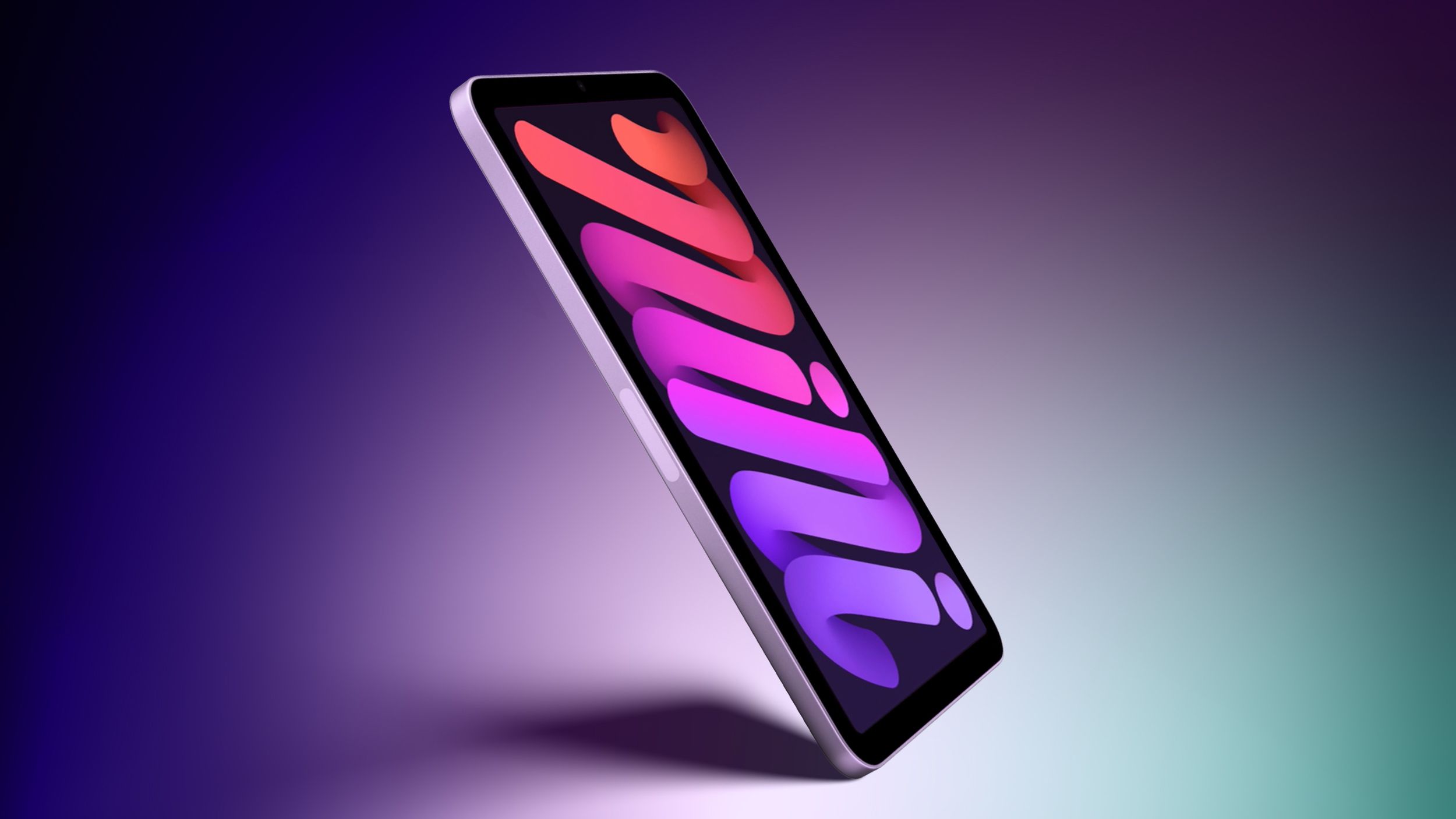
iPad Mini 8: Release Date, Price, Specs, and Rumored Features
iPad Mini 8 Release Date, Pricing, and Architecture Breakdown
Apple is closing in on a production launch for its next-generation compact tablet, targeting an October window according to reporting by Bloomberg’s Mark Gurman. Following a gap since the iPad mini 7 release, internal code discovered in August points to model codenames J510 and J511. The upcoming hardware shifts from LCD to an OLED display architecture and integrates advanced mobile silicon, addressing historical performance bottlenecks for developers and power users working within compact form factors.
The Tech TL;DR:
- Processor: Expected to leverage the mid-tier A19 Pro chip built on an upgraded 3nm N3P process, featuring a 16-core Neural Engine and enhanced GPU compute.
- Display: Projected to adopt a Samsung-sourced single-stack LTPS OLED panel measuring 8.4 inches, running at a fixed 60Hz refresh rate.
- Chassis & Durability: Rumored to introduce a vibration-based speaker system that eliminates traditional speaker grilles, establishing the first IP-rated water resistance for the product line.
Silicon Architecture and Benchmark Expectations
According to configuration strings unearthed in code mistakenly shared by Apple, the upcoming tablet relies on silicon derived from the A19 Pro platform. While iPhone 17 Pro models utilize a higher-end 6-core CPU and 6-core GPU configuration, leak analysis suggests the iPad mini 8 will implement the mid-tier A19 Pro variant previously deployed in the iPhone Air. This follows the architectural lineage of the iPad mini 7, which incorporated an A17 Pro chip featuring a 6-core CPU and 5-core GPU.
Fabricated on TSMC’s upgraded third-generation 3-nanometer N3P process, the A19 Pro includes next-generation dynamic caching, unified image compression, and a 16-core Neural Engine built for edge-based machine learning tasks. Every core integrates dedicated Neural Accelerators, pushing peak GPU compute performance threefold higher than prior generations.
# Verifying ARM execution flags and Neural Engine availability
sysctl -a | grep machdep.cpu.features
system_profiler SPDisplaysDataType
A dissenting hardware rumor from a MacRumors tipster reviewing a macOS kernel debug kit suggests an outside chance of the A20 Pro chip, which is expected to utilize TSMC’s 2nm fabrication node. However, historical release cadences indicate the mini line rarely receives Apple’s absolute newest flagship node simultaneously with the Pro iPhone series.
Display Engineering: Moving from Liquid Retina LCD to OLED
The transition to OLED represents the most significant optical overhaul for the form factor. Bloomberg’s Mark Gurman and supply chain reports from Chinese analysts confirm that Samsung Display began developing sample OLED panels, with mass production initiated at its Cheonan facility. According to iThinkDiff, the panel size expands marginally from 8.3 inches to 8.4 inches.

Unlike the two-stack LTPO OLED panels found on Apple’s flagship iPad Pro models, the iPad mini 8 is expected to use a single-stack low-temperature polycrystalline silicon (LTPS) panel. This design choice maintains a fixed 60Hz refresh rate rather than adopting ProMotion. While lacking dynamic refresh scaling, the OLED transition delivers infinite contrast ratios, true blacks, and pixel-level luminance control.
Chassis Redesign and Acoustic Engineering for IP Water Resistance
Durability metrics improve substantially via an overhaul of the external casing. Bloomberg reports that Apple is engineering a water-resistant design to bring protection levels closer to iPhone specifications. The engineering team achieves this by replacing open acoustic grilles with a vibration-based speaker system.

By utilizing sound-emitting surfaces rather than drilled speaker holes, Apple removes primary ingress points for moisture and dust. This approach aligns with historical company filings, such as a 2014 patent for a “mechanically actuated panel acoustic system” that turns structural chassis panels into speaker diaphragms.
Production Timelines, Manufacturing Costs, and Supply Chain Pressures
Manufacturing schedules place assembly runs in motion. South Korean outlets ET News and ZDNET Korea reported that mass production is underway at Samsung factories, supporting Gurman’s October release projection.
The current iPad mini 7 baseline climbed to $599 for the 128GB Wi-Fi configuration following a late-June price increase. CEO Tim Cook noted to The Wall Street Journal that component spikes across memory and storage markets—driven largely by aggressive AI data center infrastructure buildouts—made upward price adjustments unavoidable. Industry analysts anticipate the OLED upgrade and acoustic redesign could push the starting price of the new iteration to $699, narrowing the cost gap with the 11-inch iPad Air.
Enterprise Integration and Software Pipeline Considerations
Disclaimer: The technical analyses and security protocols detailed in this article are for informational purposes only. Always consult with certified IT and cybersecurity professionals before altering enterprise networks or handling sensitive data.