Iowa Measles Outbreak: New Cases and Exposure Sites Reported
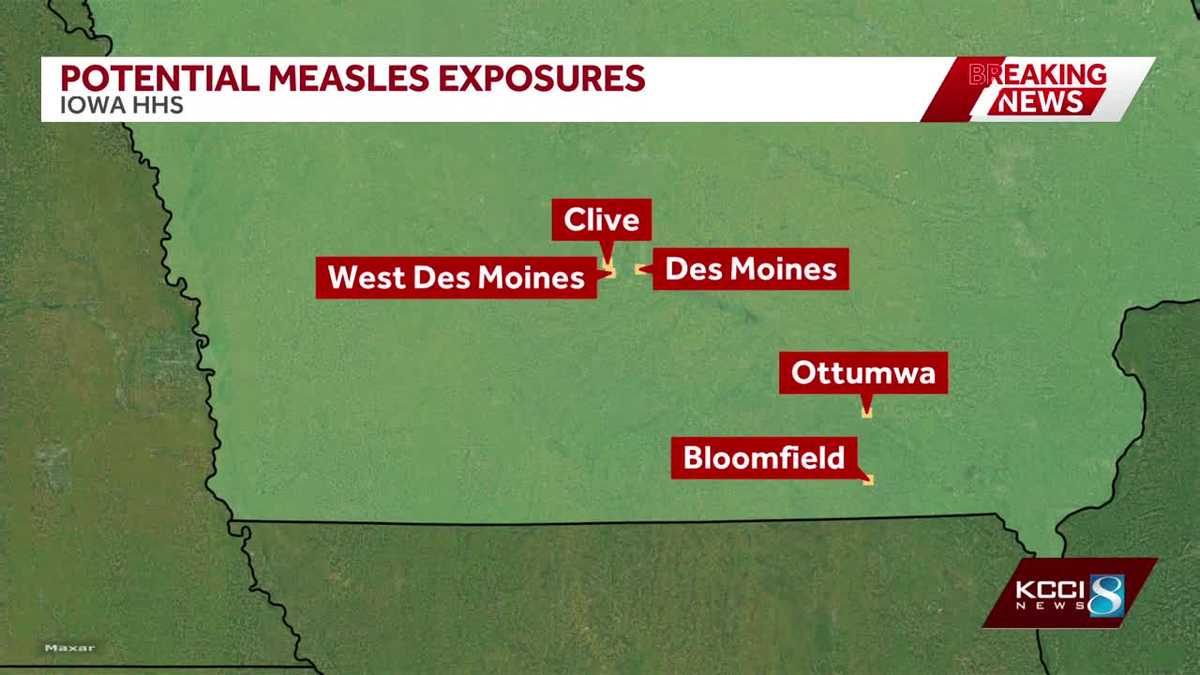
Public health authorities in Iowa are expanding tracking efforts after confirming four new measles cases in a southern region of the state, prompting urgent advisories across multiple counties. According to the Iowa Department of Health and Human Services (HHS), new potential exposure locations have been added to official state tracking lists as clinicians manage an active transmission cycle.
- Iowa health officials have added new public exposure locations following the confirmation of four new measles cases in southern Iowa.
- Johnson County public health authorities have formally recommended an accelerated MMR (measles, mumps, and rubella) vaccination schedule to curb viral transmission.
- Healthcare facilities, including the Ottumwa Regional Health Center, have enacted enhanced protocols to screen incoming patients and isolate suspected vectors.
Epidemiological Tracking and New Exposure Sites
The outbreak centers on verified viral transmission vectors identified across southern communities. Local health reporting indicates that exposure risks span multiple public venues, forcing state and county agencies to rapidly update exposure notifications. Public health agencies urge residents who visited the identified exposure sites during the specified timeframes to monitor for prodromal symptoms, which include high fever, malaise, cough, coryza, and conjunctivitis, followed by the characteristic maculopapular rash.
Regional Clinical Preparedness and Facility Protocols
Healthcare institutions in the affected zones have shifted clinical workflows to manage potential surges in presentation. Per local institutional reporting from the Ottumwa Regional Health Center, medical staff are actively preparing infrastructure and triage protocols to handle rising patient volumes.
For patients exhibiting acute respiratory distress, high-grade fever, or characteristic exanthema following potential exposure, prompt clinical evaluation is essential.
Proactive Immunization Guidance and Public Health Response
In response to the expanding case counts, regional health departments are altering immunization recommendations to build community-level protection. The standard two-dose MMR vaccine series, administered via live-attenuated viral inoculation, remains the most effective prophylactic measure against severe morbidity, hospitalization, and neurological complications such as subacute sclerosing panencephalitis.
Public health officials emphasize that maintaining high population-level vaccination coverage is the primary defense against ongoing outbreaks. Healthcare practices and immunization clinics are coordinating efforts to audit vaccine registries and administer catch-up doses to unimmunized or partially immunized individuals.
*Disclaimer: The information provided in this article is for educational and scientific communication purposes only and does not constitute medical advice. Always consult with a qualified healthcare provider regarding any medical condition, diagnosis, or treatment plan.*