Invasive Species Reshape Indian Ocean Food Webs
Invasive rats on tropical islands are fundamentally altering surrounding marine ecosystems by disrupting the nutrient exchange between land and sea, according to findings detailed by Oceanographic Magazine and Phys.org. When black rats colonize coral atolls, they decimate seabird populations, severely reducing the guano that acts as a vital fertilizer for coastal waters and rewriting the food webs of adjacent coral reefs.
Nutrient Deprivation on Chagos Archipelago Reefs
Research examining island ecosystems, including work highlighted across scientific reporting, shows that seabirds function as crucial ecological links between terrestrial and marine habitats. According to Oceanographic Magazine, seabirds feed offshore in nutrient-rich pelagic zones and return to land to roost, depositing massive quantities of nitrogen and phosphorus via guano onto the soil and surrounding runoff areas. Where invasive rodents establish dense populations, they prey heavily on seabird eggs and chicks, causing local bird colonies to collapse.
Phys.org notes that the loss of these avian populations triggers an 8-percentage-point drop in nutrient deposition, starving adjacent coral reef ecosystems of essential fertilizers. Without this steady influx of marine-derived nitrogen, the baseline productivity of the reef environment shifts dramatically. Algal growth slows down, and the metabolic rates of resident reef fish decline, altering the competitive balance among marine species.
Rewiring Coral Reef Food Webs
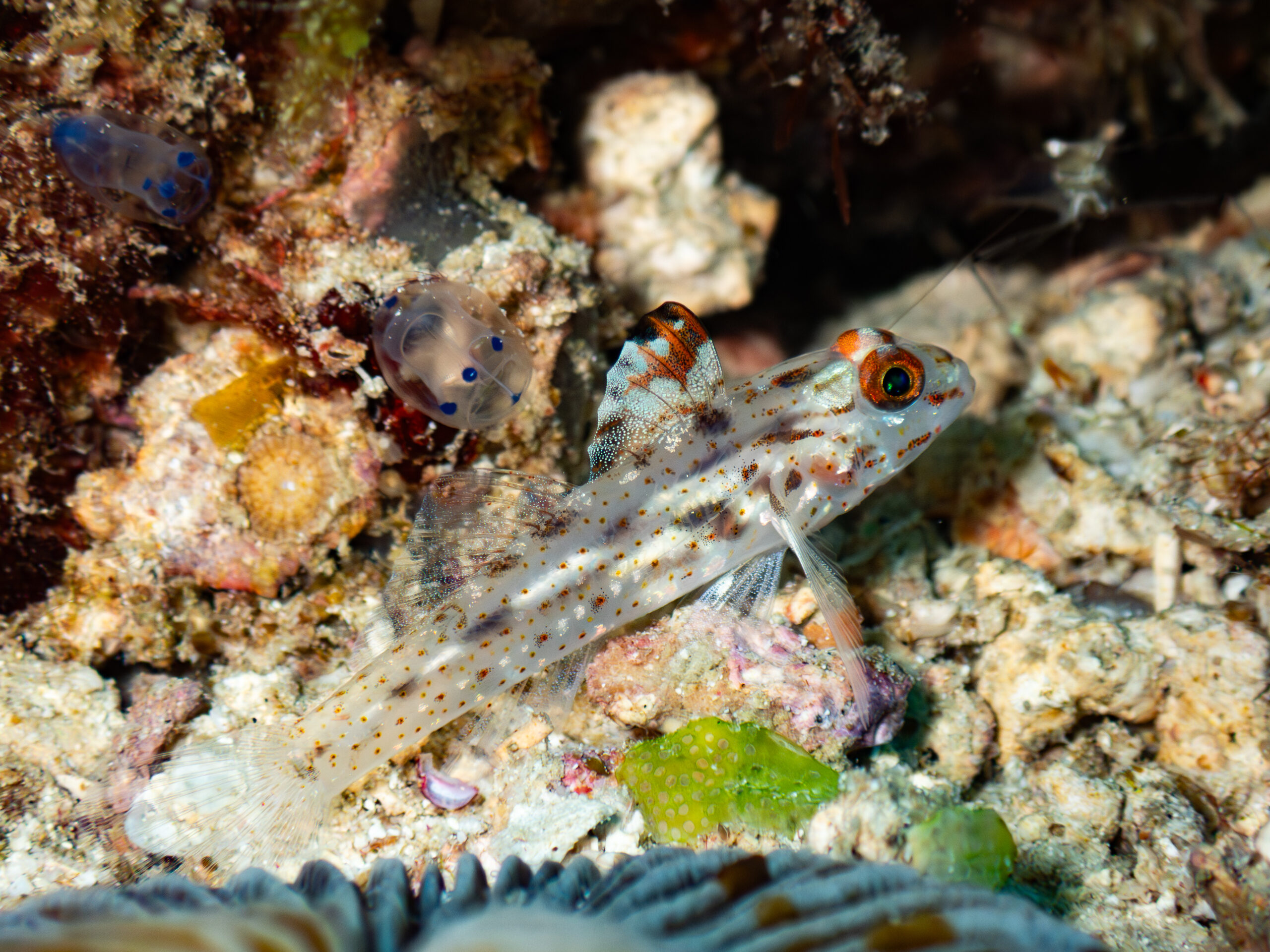
The downstream biological consequences of rat invasions extend directly into the behavior and diet of reef-dwelling fish, as reported by Oceanographic Magazine. On rat-free islands with thriving seabird colonies, herbivorous fish graze aggressively on algae fueled by guano, maintaining clean reef structures that favor coral growth. Conversely, adjacent waters impacted by rat-infested islands show sluggish herbivory rates.
According to Phys.org, fish residing near seabird-depleted islands experience a dietary shift, altering their overall growth and the speed at which nutrients cycle through the local benthic community. Certain opportunistic species emerge as winners in these nutrient-poor waters, while coral-dependent organisms struggle to recover from bleaching events or physical damage. The research demonstrates that terrestrial pest eradication is not merely a land-management objective, but an essential intervention for marine conservation.
Conservation managers continue to evaluate large-scale rodent eradication programs across remote island chains to restore native seabird populations and revive natural marine nutrient cycles, with ongoing eradication strategies awaiting formal implementation schedules.