
interstellar Objects might potentially be “Seeds” for Planet Formation, New Research Suggests
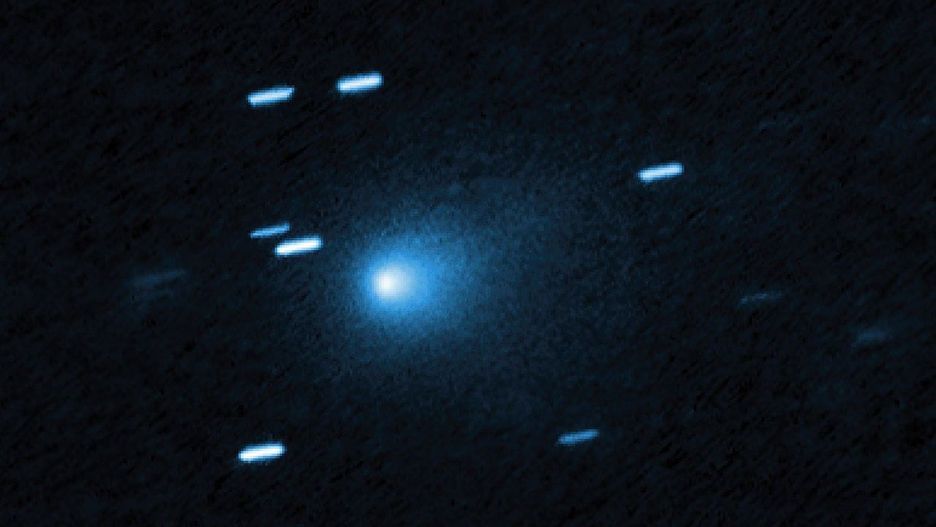
Astronomers recently observed the interstellar object 3i/Atlas moving through our solar system at a significantly higher speed than previously detected interstellar visitors like ‘Oumuamua and Comet Borisov. The object, estimated to have a nucleus approximately 5.6 km in diameter, sparked considerable scientific interest, even prompting speculation - quickly refuted by NASA – about a possible artificial origin.
However, a new hypothesis presented at the joint Europlanet Science Congress and american Astronomical Society meeting suggests a more essential role for these interstellar objects: they may act as “seeds” for planet formation. Current models of planet formation within protoplanetary disks face challenges, including lengthy formation timescales and hurdles in the accretion process – the gradual accumulation of material.
Researchers Susanne Pfalzner of Forschungszentrum Jülich and Michele bannister propose that interstellar objects can bypass these challenges by providing pre-formed building blocks for planets. Larger stars, possessing greater gravitational pull, are more efficient at capturing these interstellar objects, potentially accelerating the formation of planets, notably gas giants.
This theory offers a potential explanation for the observed scarcity of gas giants around smaller stars. The protoplanetary disks surrounding stars similar to our Sun typically exist for only around 2 million years – a timeframe researchers believe may be insufficient to form gas giants without the contribution of these interstellar “seeds.”
If confirmed, this research could revolutionize our understanding of planetary formation. It raises the possibility that planets like Earth may have incorporated material originating from outside our solar system. Moreover, the scenario suggests that planet formation was likely a slower process in the early universe, when interstellar objects were more prevalent.
These findings, presented at EPSC-DPS2025, highlight the importance of continued observation of interstellar objects to better understand their role in cosmic evolution and the origins of planetary systems. Further research promises to refine our models of planet formation and potentially reveal the interstellar heritage of our own world.
