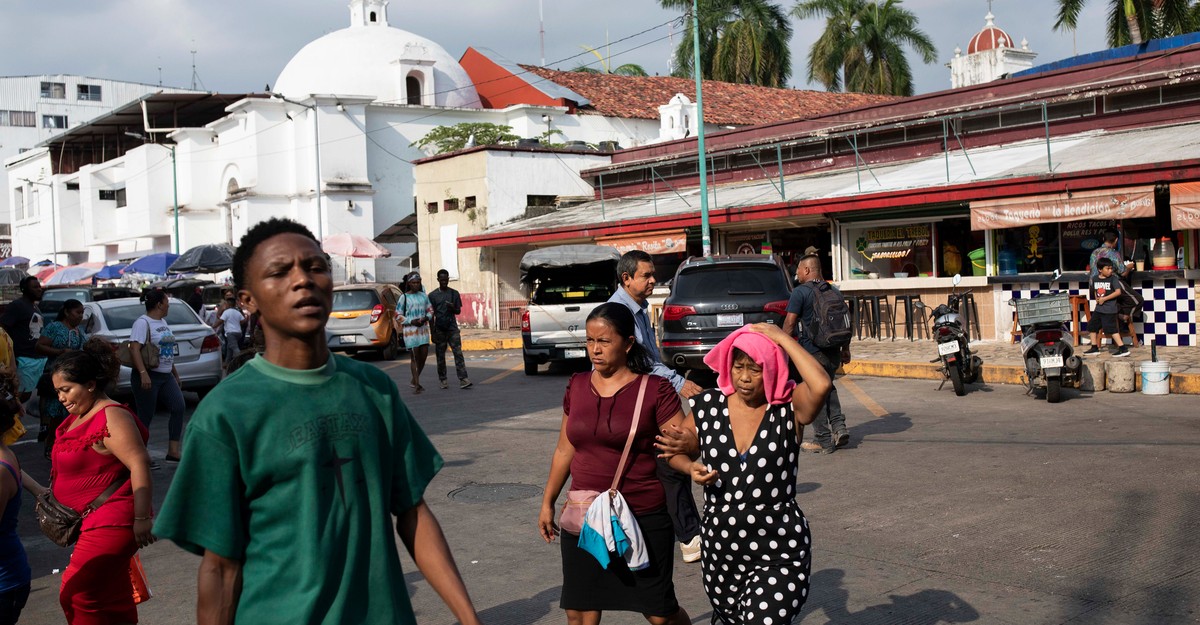
Inside Tapachula: The New U.S. Border in Southern Mexico
Julio Borrell spent 46 years living in Miami, running a mechanic shop, and raising a family before U.S. Immigration and Customs Enforcement detained him and bused him 2,000 miles south to Tapachula, Mexico. According to data from the Mexican Institute for Migration, 12,977 non-Mexicans were expelled from the United States into southern Mexico between January 2025 and March 2026, creating a remote holding zone that United Nations officials informally call TapaYork.
The Mechanics of Long-Distance Deportation
The policy of moving non-Mexican deportees deep into southern territory represents a strategic shift in migration control. Instead of immediate repatriation to nations facing diplomatic or logistical hurdles, individuals from Cuba, Venezuela, Nicaragua, and Haiti are dropped into a city where they hold no legal status.
https://x.com/SecMullinDHS/status/2084991808858116419
Borrell, a 72-year-old Cuban immigrant who arrived in the United States during the 1980 Mariel boatlift, described his disorienation after being dropped near the Guatemala border. His experience mirrors thousands of others caught in a system designed to relocate the literal border thousands of miles away from U.S. soil. U.S. Department of Homeland Security Secretary Markwayne Mullin stated this month that the administration’s goal remains zero border crossings, an absolutist objective pursued through intense pressure on regional governments.
Mexican officials, wary of unilateral actions by Washington, have largely accommodated the third-country expulsions. The arrangement relies on a tightly controlled highway corridor exiting Tapachula, where Mexican immigration agents monitor commercial buses and cars to prevent deportees from heading north again.
Integration and Strain in a Southern Hub
Tapachula currently houses approximately 60,000 migrants alongside its 350,000 permanent residents. The city serves a dual purpose: a dumping ground for those expelled from the north and a gathering area for new arrivals blocked from advancing toward the United States.
Local infrastructure absorbs the pressure of this permanent transit population. Haitian migrant Mervil Wisdael, who operates a bread stand in downtown Tapachula, noted that newly arrived groups frequently wander the streets disoriented. Yet, over years of waiting out bureaucratic backlogs for humanitarian visas, immigrant communities have woven themselves into the local fabric. Creole-speaking municipal workers assist applicants at refugee offices, and local public schools count roughly 10 percent of their student body as from Haiti.
Navigating Legal and Logistical Realities
For those thrust into this southern bottleneck, the immediate challenge is surviving an opaque bureaucratic maze without local legal protections. Securing proper documentation requires persistent filings at overwhelmed refugee offices, where applicants must sign in repeatedly over periods spanning months or years.

As the United States administration looks to expand third-country deportation agreements, the makeshift communities in southern Mexico offer a preview of future migration policy.