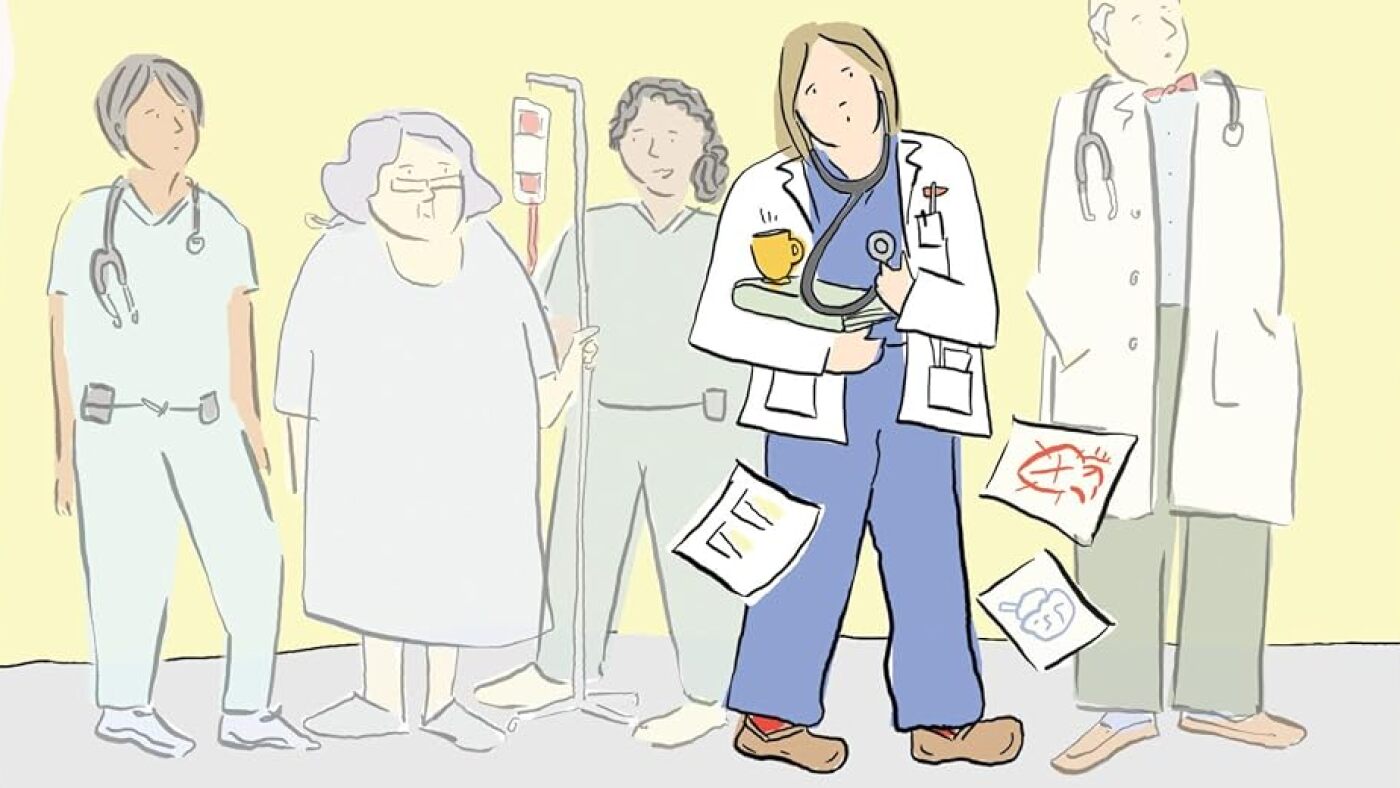
Inside Med School: Grace Farris on Loans, Stress and Balance
Entering medical school requires navigating rigorous standardized testing, competitive admissions cycles, and extensive prerequisite coursework, yet the psychological reality of clinical training often remains opaque to prospective students. Grace Farris explores this transition in her graphic memoir See One, Do One, Teach One, documenting the day-to-day hurdles of medical education. Published by Chronicle Books, the work charts the author’s path from a career in graphic illustration to the wards of a teaching hospital, bringing visibility to student burnout, financial stress, and the steep learning curve of clinical rotations.
Key Clinical Takeaways:
- Grace Farris’s graphic memoir details the psychological and professional pressures of medical school, residency, and early career practice.
- The publication highlights documented stressors in medical education, including student debt, clinical anxiety, and work-life balance challenges.
- Prospective applicants and current trainees can access targeted resources through specialized medical career development and wellness advisory groups.
The transition from pre-medical coursework to clinical environments presents well-documented mental health hurdles for graduate students. According to a systematic review published in the Journal of the American Medical Association, the global prevalence of depression or depressive symptoms among medical students is estimated at 27.2 percent, while anxiety affects a significant portion of trainees. Farris captures these epidemiological realities through sequential art, illustrating the emotional toll of high-stakes examinations, debt accumulation, and the rigorous demands of patient care integration.
Medical training programs and academic institutions have increasingly implemented structured peer-support models and mentorship initiatives to address these systemic stressors. For students and early-career physicians attempting to balance clinical responsibilities with personal well-being, consulting with vetted institutional wellness advisors and career mentors can provide essential guidance on managing occupational fatigue and academic transitions. Early intervention strategies often include cognitive-behavioral stress management, formalized counseling, and schedule adjustments supported by academic medical centers.
As the landscape of medical education evolves to incorporate mental health parity and institutional support, memoirs like Farris’s offer a vital narrative bridge for aspiring clinicians. Understanding the realities of medical school pathology, pharmacology, and patient interactions remains essential for anyone considering a career in healthcare. Trainees facing acute academic or professional distress can connect with specialized student health advocates and medical compliance services to safeguard their long-term professional longevity.
*Disclaimer: The information provided in this article is for educational and scientific communication purposes only and does not constitute medical advice. Always consult with a qualified healthcare provider regarding any medical condition, diagnosis, or treatment plan.*