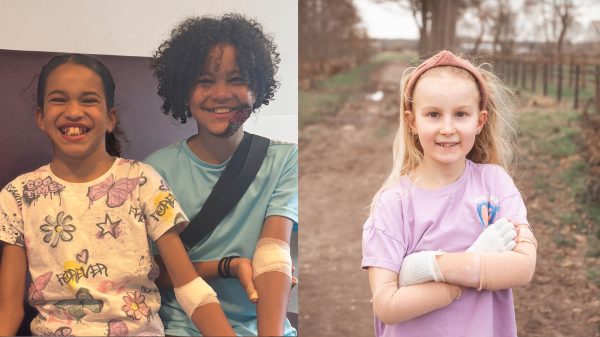
Butterfly Children Live with Blisters Chronic Wounds and Crumbling Teeth It’s a Nightmare
Children diagnosed with epidermolysis bullosa (EB), frequently referred to in medical literature and public reporting as “butterfly children,” contend with severe skin fragility, chronic blistering, and debilitating dental degeneration that profoundly compromises their physiological integrity and quality of life. According to recent public health features and medical journalism coverage examining the condition, patients experience a daily reality defined by unyielding wound care and immense physical trauma from even minor friction.
Key Clinical Takeaways:
- Epidermolysis bullosa is a severe genetic connective tissue disorder characterized by extreme skin fragility and recurrent, painful blistering.
- Clinical manifestations extend beyond cutaneous lesions to include mucosal involvement, chronic non-healing wounds, and significant dental deterioration such as crumbling teeth.
- Managing the complex pathogenesis of EB requires coordinated multidisciplinary care, specialized wound dressings, and referral to dedicated pediatric dermatology or genetic disorder clinics.
Understanding the Pathogenesis and Clinical Manifestations of Epidermolysis Bullosa
The underlying mechanism of epidermolysis bullosa stems from genetic mutations that impair the structural proteins responsible for anchoring the epidermis to the dermis. This molecular defect prevents skin layers from withstanding minor mechanical stress, leading to spontaneous or friction-induced separation and blister formation. Beyond the cutaneous manifestations, patients frequently suffer from systemic complications. Mucosal involvement affects the gastrointestinal and respiratory tracts, while severe oral cavity fragility leads to microstomia, rampant caries, and crumbling teeth.
Clinical assessments highlight that chronic inflammation and persistent open wounds place these individuals at high risk for secondary bacterial infections, sepsis, and aggressive cutaneous squamous cell carcinomas later in life. Epidemiological data underscores the rarity and severity of these subtypes, necessitating rigorous clinical management strategies that align with current international consensus guidelines for rare dermatological conditions.
Navigating Specialized Care and Multidisciplinary Triage
Given the multisystemic nature of the disease, standard pediatric or general medical care is entirely insufficient for managing butterfly children. Treatment protocols demand a synchronized effort across pediatric dermatology, specialized nursing, nutritional support, and pediatric dentistry. Families confronting these diagnoses must secure access to advanced clinical infrastructure capable of handling complex wound management and pain mitigation.
For parents and caregivers seeking expert evaluation, connecting with specialized medical centers is a critical priority. Families should consult with vetted pediatric dermatologists and genetic counselors through dedicated [Relevant Clinic/Professional/Service] networks to establish comprehensive baseline assessments. Furthermore, coordinating long-term supportive therapies often requires direct engagement with specialized wound care nurses and [Relevant Clinic/Professional/Service] providers who understand the rigorous demands of daily bandage changes and infection surveillance.
Future Trajectories in Clinical Research and Therapeutic Development
Current clinical research focuses heavily on targeted gene therapies, protein replacement strategies, and advanced cellular grafts designed to restore structural integrity to affected tissues. As investigators advance through ongoing clinical trial phases, the primary objective remains the reduction of blister frequency and the acceleration of epithelial wound closure. Until these investigative modalities transition into standard clinical care, the cornerstone of patient management remains meticulous supportive care delivered by specialized multidisciplinary teams.
To explore specialized diagnostic services or locate accredited treatment centers equipped to manage complex connective tissue disorders, patients and families are encouraged to consult with [Relevant Clinic/Professional/Service] organizations dedicated to rare genetic conditions.
*Disclaimer: The information provided in this article is for educational and scientific communication purposes only and does not constitute medical advice. Always consult with a qualified healthcare provider regarding any medical condition, diagnosis, or treatment plan.*