
Indonesia Delays launch of Controversial History Textbook Amidst Criticism
Table of Contents
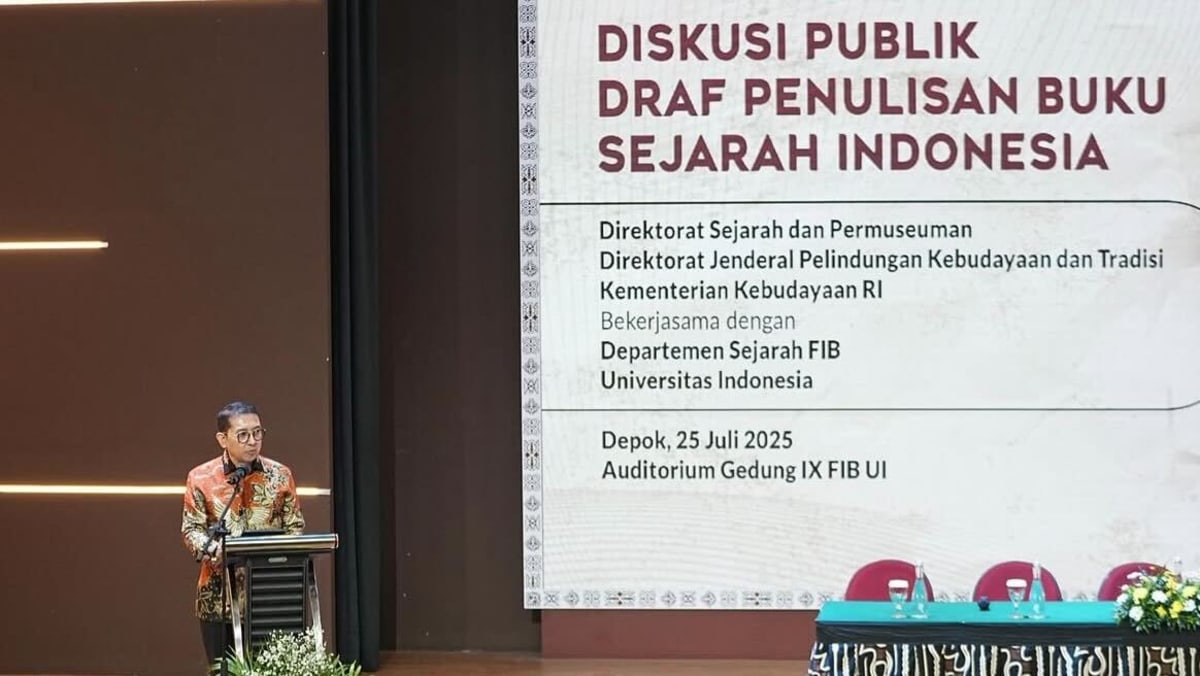
Jakarta – The Indonesian goverment has postponed the release of its new national history textbook series by approximately three months, responding to widespread criticism from historians and human rights advocates. Originally scheduled for launch on indonesia’s independence Day, August 17, the ten-volume set will now debut on National Heroes Day, November 10.
The delay, announced by Culture Minister Fadli Zon, aims to allow for further refinement of the draft and additional public consultation. The postponement comes after a series of open forums held at universities across the country, including the University of Indonesia in Jakarta, the State University of Padang in west Sumatra, Lambung Mangkurat University in Kalimantan, and the State University of Makassar in sulawesi.
Critics allege the textbook project “sanitizes the nation’s past” and omits crucial accounts of human rights violations. Minister Zon, a member of President Prabowo Subianto’s Gerindra Party, maintains the revisions are intended to “perfect the draft” and incorporate feedback from historians and enthusiasts. He stated that the book is intended to serve as a primary ancient reference for students at all educational levels.
The November 10 launch date commemorates the Battle of Surabaya, a pivotal conflict in 1945 between Indonesian nationalists and British forces. Minister zon emphasized the project’s importance in celebrating 80 years of Indonesian independence,adding that further public discussions are planned.
Historical Context: Indonesia’s Struggle for Independence and Historical Revisionism
Indonesia’s path to independence was marked by a protracted struggle against Dutch colonial rule, formally declared on August 17, 1945, following Japan’s surrender in World War II. Though, the Netherlands attempted to reassert control, leading to the Indonesian National Revolution (1945-1949). The Battle of Surabaya in November 1945, a key event in this revolution, symbolized Indonesian resistance and remains a potent symbol of national pride.
Throughout its history, Indonesia has grappled with defining its national narrative. Post-independence governments have often sought to construct a unified national identity, sometimes leading to selective interpretations of the past. historical revisionism is not unique to Indonesia; many nations revisit and reinterpret their histories to reflect changing political climates and societal values. However, such efforts often spark debate, particularly when they involve downplaying or omitting sensitive events like human rights abuses.
The current controversy over the history textbook project reflects broader concerns about historical accountability and the importance of preserving a complete and accurate record of the past. The debate highlights the tension between national unity and the need to acknowledge painful truths, a challenge faced by many post-colonial nations.
Frequently Asked Questions
- What is the main concern regarding the new history textbook?
- The primary concern is that the textbook sanitizes Indonesia’s past and omits notable human rights violations, potentially presenting an incomplete or biased historical narrative.
- Who is Fadli Zon?
- Fadli Zon is the current Culture Minister of Indonesia and a member of President Prabowo Subianto’s Gerindra Party. He is overseeing the development and launch of the new history textbook series.
- Why was the launch date postponed?
- The launch was postponed to allow for further refinement of the textbook draft and to incorporate feedback gathered from public discussions held at various universities across Indonesia.
- What is the meaning of November 10 in Indonesian history?
- November 10 is National Heroes Day in Indonesia, commemorating the Battle of Surabaya in 1945, a crucial event in the Indonesian National Revolution.
