
Indonesia Targets Shadow Economy to Boost 2026 Tax revenue
Table of Contents
Jakarta - The Indonesian government is launching a strategic initiative to aggressively tax economic activities currently operating outside formal channels – often referred to as the “shadow economy.” This intensified effort, slated to begin in 2026, aims to bolster state revenue without increasing existing tax rates.
What is the Shadow Economy?
The Directorate General of Tax (DGT) defines the shadow economy as economic activity deliberately concealed from authorities to avoid taxation. it’s also known as the black or underground economy. This hidden economic activity represents a significant loss of potential revenue for the government.
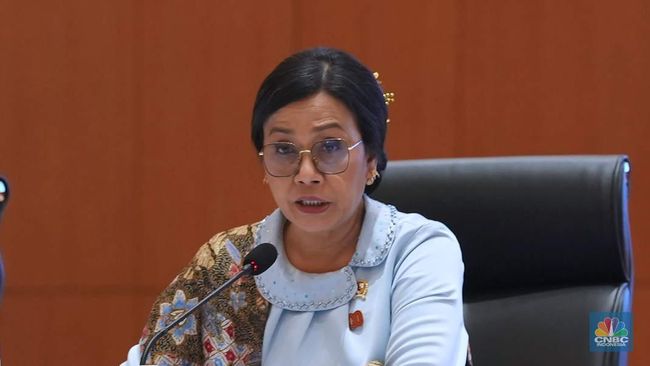
Finance Minister Sri Mulyani Indrawati emphasized the importance of addressing the shadow economy during a recent press conference regarding the 2026 state budget. This is actually also related to the Shadow Economy and there are also many illegal activities,
she stated on August 19, 2026.
Targeted Sectors
The government has identified several key sectors with a high prevalence of shadow economic activity. These include:
- Retail Trade
- Food and beverage
- Gold Trade
- Fisheries
These sectors will be subject to increased scrutiny and enforcement measures to ensure tax compliance. But what specific strategies will be employed to bring these businesses into the formal economy?
Government Initiatives
Since 2025, the government has been proactively preparing for this initiative. Key steps include:
- Conducting studies to measure and map the extent of the shadow economy in Indonesia.
- Developing a Commitment Improvement Program (CIP) specifically focused on the shadow economy.
- utilizing intelligence analysis to identify and address high-risk taxpayers.
The government will also conduct intelligence studies to further explore the potential scope of the shadow economy.
Did You Know? The shadow economy is estimated to represent a ample portion of global economic output, varying considerably by country and region. according to a 2018 study by the International Monetary Fund (IMF Working Paper), the size of the shadow economy can range from 10% to over 70% of a country’s GDP.
technological Advancements in Tax Enforcement
Several technological advancements are being implemented to improve tax collection and reduce the shadow economy:
- NIK-NPWP Integration: The integration of the Population Identification Number (NIK) with the taxpayer Identification Number (NPWP) became effective January 1, 2025, through the Core tax Administration System (CTAS).
- Digital VAT Collection: The government has appointed foreign entities to collect Value Added Tax (VAT) on transactions involving digital products and services (PMSE).
- CTAS Implementation: Ongoing improvements to the tax service system through the implementation of Coretax or CTAS.
- Data Matching: Matching data from digital platforms with existing fiscal records to identify and address non-compliant businesses.
Pro Tip: Businesses operating in the targeted sectors should proactively review their tax compliance procedures and ensure accurate reporting to avoid potential penalties.
Key Data & Timeline
| Initiative | timeline |
|---|---|
| Shadow Economy Measurement Study | Began 2025 |
| NIK-NPWP Integration | Effective January 1, 2025 |
| Intensified Tax Enforcement | Beginning 2026 |
| 2026 Tax Revenue Target | rp 2,357.71 trillion |
Looking Ahead
The Indonesian government’s commitment to tackling the shadow economy signals a significant shift in tax enforcement. By leveraging technology, data analysis, and targeted enforcement, the government aims to create a more equitable and transparent tax system. Will these measures be enough to significantly reduce the size of the shadow economy, and what impact will this have on small businesses?
<ómico
The issue of the shadow economy is a global challenge, particularly in developing nations.Factors contributing to its growth include complex tax regulations, weak enforcement, and a lack of trust in government institutions. Addressing the shadow economy requires a multi-faceted approach that combines regulatory reforms, technological innovation, and public awareness campaigns.Frequently Asked Questions about Indonesia’s Shadow economy Initiative
We hope this article provided valuable insight into Indonesia’s efforts to address its shadow economy. If you found this data helpful, please share it with your network! We’re always eager to hear your thoughts – feel free to leave a comment below or subscribe to our newsletter for more in-depth analysis.
